How to Know If Your Furnace Needs to Be Replaced
The decision to replace a major home appliance is never one that homeowners make lightly. It involves a significant financial investment and a fair amount of disruption to your daily routine. For residents of Orem, UT, the furnace is arguably the most critical piece of equipment in the entire house. When the winter winds howl down from the canyons and temperatures drop well below freezing, your furnace is the only thing standing between your family and the dangerous cold. This reliance makes the question of replacement even more high stakes. You do not want to be forced into a rushed decision because your heating system failed catastrophically in the middle of a January snowstorm.
Ideally, replacing a furnace is a planned event. It should be a strategic decision made after careful consideration of the system’s age, performance, and cost of operation. Unfortunately, many homeowners ignore the warning signs until it is too late. They keep patching up an old, dying unit, throwing good money after bad, only to end up with a breakdown when they need heat the most. Recognizing the signs of a failing furnace early allows you to shop for a new unit on your own terms. It gives you the time to research high efficiency models, look for rebates, and schedule the installation before the emergency strikes.
Understanding when to let go of your old system requires a shift in perspective. You have to stop viewing the furnace as a binary object that either works or does not work. Instead, view it as a machine with a finite lifespan that degrades over time. Just because it turns on and blows warm air does not mean it is operating safely or efficiently. There are several clear indicators that your furnace is reaching the end of the line. By paying attention to these signals, you can make an informed choice that improves your comfort, lowers your bills, and ensures your family’s safety.
The Age of the System
The single most reliable indicator that it is time to start thinking about replacement is the age of the furnace. Heating systems are built to be durable, but they are not designed to last forever. The average life expectancy of a well maintained modern gas furnace is between 15 and 20 years. If your system is approaching or has passed the 15 year mark, it is living on borrowed time. Even if it seems to be running fine, the internal components are experiencing metal fatigue from years of heating up and cooling down.
This timeline is not arbitrary. It is based on the physical limitations of the materials used to build the unit. Every time your furnace runs a cycle, the heat exchanger expands as it warms up and contracts as it cools down. Over 15 years, this happens tens of thousands of times. Eventually, the metal becomes brittle and prone to cracking. Motors lose their lubrication, electrical connections corrode, and sensors drift out of calibration. While repairs can keep the system limping along, you are fighting a losing battle against the physics of aging materials.

For homeowners who moved into a home with an existing system, determining the age can sometimes be tricky. You can usually find the manufacture date on the metal data plate located inside the furnace cabinet. It is often encoded in the serial number. If you cannot decipher it, a technician from Vortex Air HVAC can tell you exactly how old the unit is during a routine inspection. If the unit is over 20 years old, replacement should be a priority regardless of its current performance. The technology has advanced so significantly in two decades that a new unit will be vastly superior in every metric.
Rising Energy Bills
One of the most subtle but telling signs of a failing furnace is a steady increase in your heating costs. You might notice that your gas or electric bill is higher this winter than it was during the same month last year, even though utility rates have stayed the same and your usage habits have not changed. This gradual creep in cost is a direct result of efficiency loss. As a furnace ages, it has to work harder and burn more fuel to produce the same amount of heat.
Need a furnace replacement? Click here for our furnace install services.
Internal parts wear out and create friction, which forces motors to draw more electricity. Soot and scale build up on the heat exchanger, acting as an insulator that prevents heat from transferring effectively to the air in your home. Belts slip and fan blades get dirty. The result is a system that runs longer cycles to satisfy the thermostat. You are essentially paying more money for the same level of comfort, or often for less comfort.
It is also important to consider the baseline efficiency of an older unit compared to modern standards. A furnace installed 20 years ago likely had an Annual Fuel Utilization Efficiency, or AFUE, rating of around 70 to 80 percent. This means that for every dollar you spent on gas, 20 to 30 cents went right up the flue pipe and was wasted. Modern high efficiency furnaces can achieve AFUE ratings of up to 98 percent. By upgrading, you immediately stop wasting that money. In many cases, the savings on your monthly energy bills can help offset the cost of the new installation over time.
The Frequency and Cost of Repairs
There comes a point in the life of every mechanical device when repairing it no longer makes financial sense. This is often referred to as the “repair or replace” dilemma. A good rule of thumb used in the HVAC industry is the 50 percent rule. If the cost of a necessary repair is 50 percent or more of the cost of a brand new furnace, you should replace the unit. Spending half the cost of a new system to patch up an old one is a poor investment because it does not reset the clock on the other aging parts. You might fix the blower motor today only to have the control board fail next month.
Another useful metric is the frequency of breakdowns. If you find yourself on a first name basis with your repair technician because they are at your house multiple times a year, it is time to replace the system. Furnaces typically break down the most in the last two years of their lives. Constant repairs are not just expensive; they are inconvenient. Relying on a system that is prone to failure is a gamble, especially in Orem where winter temperatures can be unforgiving.
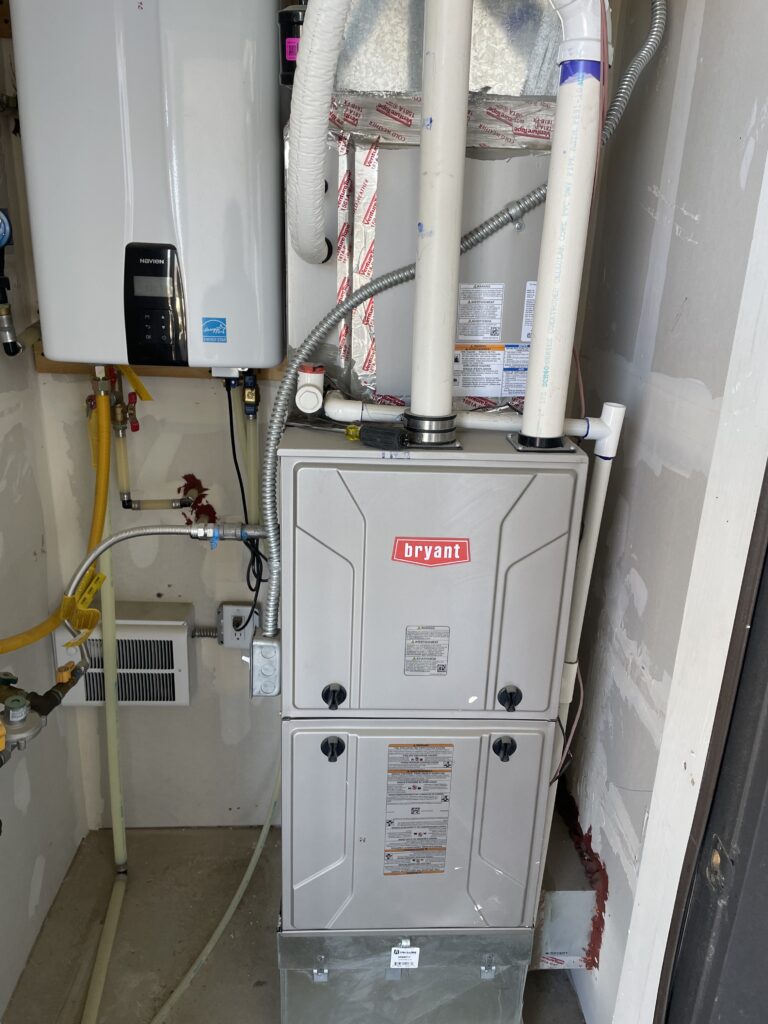
You should also consider the cumulative cost of repairs over the last two years. If you have spent hundreds or thousands of dollars keeping an old unit alive, that is money that could have been used as a down payment on a new, reliable system with a warranty. A new furnace brings peace of mind. You know it will start when you need it, and if something does go wrong, it is covered by the manufacturer’s warranty, protecting your wallet from unexpected expenses.
Uneven Heating and Comfort Issues
The primary job of your furnace is to keep your home comfortable. If it is failing to do that fundamental task, it is a sign that the system is no longer up to the challenge. You might notice that some rooms in your house are scorching hot while others are freezing cold. This uneven heating often points to a failing blower motor that can no longer push air effectively through the ductwork, or it could indicate that the furnace is short cycling and shutting off before the distant rooms are warmed.
Another common comfort issue is the temperature of the air coming from the vents. An aging furnace may struggle to produce air that feels truly hot. If the air coming out of your registers feels lukewarm or cool, even when the heat is running, the burners may not be firing correctly or the heat exchanger may be compromised. You might also find yourself constantly adjusting the thermostat, trying to find a comfortable setting that simply does not exist.
Humidity problems are another symptom related to comfort. Older furnaces, particularly those with atmospheric combustion, can dry out the air in your home excessively. This leads to static electricity, dry skin, and irritated sinuses. Conversely, a failing system might cause moisture to build up on windows or walls. Modern furnaces often come with variable speed blowers and advanced controls that manage humidity and temperature much more precisely, eliminating these comfort complaints and creating a more pleasant living environment.
Excessive Noise
Furnaces are not silent machines, but they should operate with a consistent, low hum. As they age and components begin to fail, they often start to make new and alarming noises. These sounds are the system’s way of telling you that something is mechanically wrong. You should never ignore a furnace that has suddenly become noisy.
A loud banging or booming sound when the furnace turns on is a sign of delayed ignition. This happens when gas builds up in the combustion chamber before the burners ignite, causing a small explosion. This is a serious issue that puts stress on the heat exchanger and can lead to cracking. A high pitched squealing or screeching noise usually indicates a problem with the blower motor or the inducer motor. It could mean a belt is slipping or, more likely, that the bearings in the motor have failed.
Want to choose the best HVAC for your home? Click here for more information.
Rattling or vibration noises can come from loose panels, but they can also indicate a cracked heat exchanger or an unbalanced blower wheel. Scraping sounds often mean metal parts are rubbing together, a sign of severe mechanical failure. If your furnace sounds like it is struggling, it probably is. While some of these parts can be replaced, usually these noises in an old system are the death rattle of the unit. Investing in a major repair like a motor replacement on an old, noisy furnace is rarely the wise choice compared to replacement.
Visual Signs of Trouble
You can learn a lot about the health of your furnace just by looking at it. Take a moment to inspect the physical condition of the unit. If you see streaks of rust or corrosion on the outside of the cabinet, particularly around the vent pipe or the bottom of the unit, it is a sign of moisture problems. This rust often comes from condensation that is not draining properly, or it can be a sign that the exhaust gases are not venting correctly. Rust on the outside often means there is even worse corrosion on the inside.

If your furnace has a pilot light or if you can see the burner flames through a viewing port, check the color of the flame. A healthy natural gas flame should be a steady, bright blue. If the flame is yellow, flickering, or wavering, it is a sign of incomplete combustion. This means the gas is not being burned efficiently, which can be caused by a dirty burner or a lack of oxygen. More importantly, a yellow flame is a major warning sign that the furnace could be producing excessive carbon monoxide.
You should also look for signs of soot or black powder around the furnace. This is carbon buildup, another byproduct of poor combustion. Any visible deterioration of the vent pipes or the chimney connection is also a critical issue. These pipes carry dangerous exhaust gases out of your home. If they are rusted through, cracked, or loose, those gases could be leaking into your living space. Any of these visual cues are strong indicators that the system is past its prime and potentially dangerous.
The Safety Imperative: Heat Exchangers and Carbon Monoxide
The most critical reason to replace a furnace is safety. Gas furnaces burn fuel to create heat, and that process produces exhaust gases that include carbon monoxide. Carbon monoxide is a colorless, odorless, and tasteless gas that can be deadly if inhaled. The component responsible for keeping these gases separate from the air you breathe is the heat exchanger. It is a metal chamber that contains the fire and exhaust while the air from your home blows over the outside of it to pick up heat.
As mentioned earlier, the constant expansion and contraction of the metal eventually causes the heat exchanger to crack. A cracked heat exchanger is the most common reason for condemning a furnace. Once a crack develops, the toxic exhaust gases can leak out of the chamber and mix with the clean air being blown into your bedrooms and living areas. There is no safe way to repair a cracked heat exchanger. The only options are to replace the heat exchanger, which is extremely expensive and labor intensive, or to replace the entire furnace.
In an older system, putting a new heat exchanger into a chassis that has old motors and controls is not a wise financial decision. It is almost always better to replace the full unit. Carbon monoxide detectors are essential safety devices, but they are a last line of defense. You do not want to wait for an alarm to go off to know your furnace is dangerous. If a Vortex Air HVAC technician identifies a crack or a breach in your heat exchanger during an inspection, they will likely shut the unit down for your safety. This is a non negotiable sign that the furnace must be replaced immediately.
Deciding to replace your furnace is a major step for any Orem homeowner. It requires balancing the immediate cost of a new system against the long term costs of inefficiency, repairs, and the risk of failure. By monitoring your system for signs of age, rising bills, frequent breakdowns, and safety hazards, you can make this decision proactively rather than in a panic. A new furnace offers more than just heat; it provides reliability, lower energy costs, improved comfort, and the assurance that your family is safe. Do not wait until you are left in the cold to address a failing system. Reach out to Vortex Air HVAC today to discuss your options and find the perfect, high efficiency replacement for your home.