Best Ways to Lower Heating Bills in Orem
Winter in Orem, Utah, is a season of stunning mountain views and crisp, cold air, but it also brings the inevitable rise in home heating costs. As the temperatures drop along the Wasatch Front, furnaces across the valley begin to work overtime to combat the freezing nights and chilly canyon winds. For many families, the monthly natural gas or electric bill can become a significant financial burden during these months. Finding effective ways to lower these costs is not just about saving money; it is about improving the efficiency of your home and ensuring that your heating system can provide reliable comfort without unnecessary strain.
The high desert climate of Utah County presents unique challenges for residential heating. We experience deep freezes, heavy snowfall, and dry air that can make a home feel colder than it actually is. Relying solely on your furnace to keep you warm is an expensive strategy that often leads to wasted energy. A truly efficient home requires a multi faceted approach that addresses how heat is generated, how it is retained, and how it is managed through daily habits. By taking a proactive stance on your home’s thermal performance, you can reclaim control over your utility budget while maintaining a cozy sanctuary for your family.
Managing heating costs is a long term commitment to maintenance and home improvement. While some solutions are as simple as changing a behavior, others involve technical upgrades that pay for themselves over time through reduced energy consumption. Understanding the mechanics of heat loss and the operational needs of your HVAC system allows you to make informed decisions that benefit both your wallet and the environment. In a community as vibrant as Orem, keeping our homes efficient helps ensure that we can enjoy our beautiful winters without the stress of skyrocketing utility bills.
Optimizing Thermostat Schedules and Settings
The thermostat is the most powerful tool in your arsenal when it comes to controlling heating costs. Many homeowners make the mistake of keeping their home at a constant, high temperature throughout the day and night. However, every degree you lower your thermostat can save you as much as three percent on your heating bill. The Department of Energy recommends a baseline setting of sixty eight degrees while you are awake and active. This temperature is generally considered the sweet spot where comfort meets efficiency, providing enough warmth for a healthy household without forcing the furnace into high energy usage.

Significant savings are found in the hours when you are asleep or away from home. Setting your thermostat back by seven to ten degrees for eight hours a day can reduce your annual heating costs by as much as ten percent. If you find it difficult to remember to adjust the dial manually, a programmable or smart thermostat is an essential upgrade. These devices allow you to create a custom schedule that aligns with your routine, ensuring the house is warm when you wake up but energy efficient while you are at work. Smart thermostats even learn your habits over time and can adjust based on the local Orem weather forecast.
It is important to avoid the temptation to crank the heat to a very high temperature in an attempt to warm the house faster. Furnaces do not work like a car’s accelerator; they provide a steady flow of heat until the target temperature is reached. Setting the thermostat to eighty degrees when you want it to be seventy only results in the system overshooting the goal and wasting fuel. A consistent, moderate approach to temperature management prevents the furnace from short cycling and ensures that the heat is distributed evenly throughout the structure.
Enhancing Home Insulation and Sealing Air Leaks
A common reason for high heating bills in Orem is a home that simply cannot hold onto the heat it produces. Heat naturally moves toward colder areas, and in the winter, it is constantly trying to escape through your attic, walls, and floor. Ensuring that your attic has a sufficient layer of insulation is the most effective way to trap rising heat. Many older homes in Utah were built with insulation standards that are now considered inadequate. Adding blown in cellulose or fiberglass insulation to reach modern R-value recommendations can lead to a dramatic and permanent reduction in your monthly gas bill.
Need a thermostat repair? Click here for our thermostat repair service.
Air leaks are the silent thieves of home comfort and efficiency. Even a well insulated home will feel drafty if cold air is seeping in through gaps around doors, windows, and utility penetrations. You can perform a simple check by passing a lit incense stick or your hand near window frames and door sweeps on a windy day. If the smoke wafts or you feel a chill, you have a leak. Applying high quality caulk to window frames and installing new weatherstripping on exterior doors are inexpensive DIY projects that prevent your expensive heated air from being lost to the outside environment.
The areas where plumbing and electrical lines enter your home from the crawlspace or attic are also frequent sources of heat loss. These penetrations are often larger than the pipes themselves, creating a direct pathway for cold air to enter your living space. Using expanding spray foam to seal these gaps in your basement or utility room creates a more airtight envelope. By closing these hidden pathways, you reduce the workload on your furnace and eliminate the uncomfortable drafts that often lead people to turn up the thermostat higher than necessary.
Maintaining the Efficiency of the Heating System
Your furnace is a mechanical system that requires regular attention to perform at its peak efficiency. The simplest and most important task for any Orem homeowner is changing the air filter. A dirty, clogged filter restricts airflow, forcing the blower motor to work much harder and run for longer cycles to move heat through the house. During the peak of winter, you should check your filter every thirty days. A clean filter not only lowers your energy bills but also protects the internal components of your furnace from dust buildup, which is a leading cause of premature mechanical failure.

Professional maintenance is another key factor in long term savings. An annual furnace tune up ensures that your system is burning fuel cleanly and that all safety sensors are functioning correctly. A technician can calibrate the burners, lubricate moving parts, and inspect the heat exchanger for cracks. A well maintained furnace can be up to fifteen percent more efficient than a neglected one. In a climate as demanding as ours, this small investment in professional care pays for itself by preventing emergency breakdowns and extending the total lifespan of your heating equipment.
Ductwork health is often overlooked but is critical for air distribution. If your ducts are leaky or uninsulated, you may be losing a significant portion of your heat before it even reaches your rooms. Professional duct sealing ensures that the pressure remains consistent throughout the system, allowing the furnace to do its job with less effort. If you have rooms that are always colder than the rest of the house, it is often a sign of a distribution problem rather than a furnace failure. Addressing these issues ensures that every BTU of heat you pay for is delivered exactly where it is needed.
Utilizing Passive Solar Heat and Internal Gains
Orem is fortunate to have many sunny days even in the depths of winter. This solar energy is a free source of heat that can significantly assist your HVAC system if you use it correctly. During the day, you should open all curtains and blinds on south facing windows to allow the sunlight to pour in. This radiant energy warms the floors and furniture in your home, which then slowly release that heat back into the air. This natural heating can raise the temperature of a room by several degrees without cost, allowing the furnace to stay off for longer periods.
Want to know how to winterize your HVAC system? Click here for more information.
As soon as the sun sets, the strategy must flip. Windows are one of the weakest points in your home’s thermal envelope. Closing your drapes or blinds at night provides an extra layer of insulation that helps keep the heat inside and prevents the cold glass from chilling the air in the room. Heavy, insulated curtains are particularly effective at creating a thermal barrier. By being mindful of the sun’s cycle, you are essentially using your home as a solar collector during the day and an insulated box at night, maximizing your natural resources.
Daily household activities also contribute to the warmth of your home. Using the oven for baking or roasting a meal provides residual heat that can keep the kitchen and surrounding areas cozy. In the bathroom, the steam from a hot shower carries thermal energy; leaving the bathroom door open afterward allows that warm, humid air to circulate through the house. In Utah’s dry winter climate, this extra humidity also makes the air feel warmer on your skin, which may prevent you from reaching for the thermostat dial.
Managing Humidity and Perceived Warmth
Humidity plays a subtle but vital role in how we experience temperature. In the high desert of Utah County, the air becomes incredibly dry during the winter months. Dry air accelerates the evaporation of moisture from your skin, which has a cooling effect on your body. This is why a house at seventy degrees can feel chilly if the humidity is too low. By maintaining an ideal indoor humidity level of thirty to forty percent, you can feel much warmer at a lower thermostat setting, which is a primary strategy for reducing heating bills.
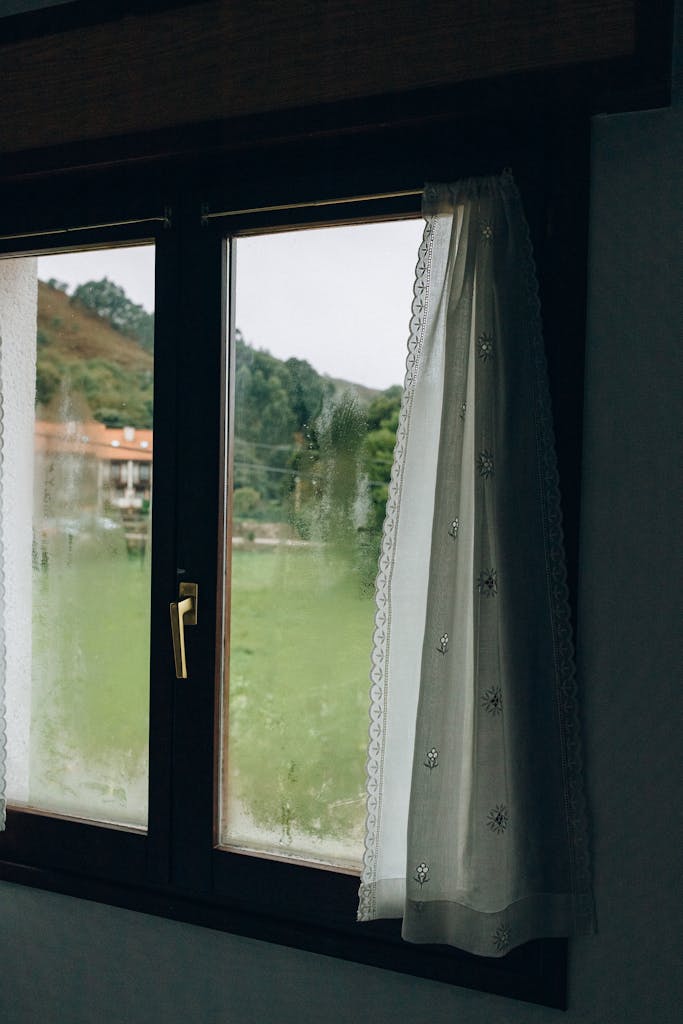
Many Orem homes benefit from a whole house humidifier integrated into the HVAC system. These units add a controlled amount of moisture to the air as it circulates through the ducts. This not only improves your comfort but also protects your wood floors and furniture from the damaging effects of extreme dryness. If a whole house system is not an option, even using small room humidifiers in the areas where you spend the most time can make a noticeable difference in your perceived warmth. When the air is properly humidified, you can often lower your thermostat by two or three degrees without feeling any loss of comfort.
Wearing appropriate clothing is the final, simplest step in managing your heating costs. It is far more efficient to warm your body than it is to warm the thousands of cubic feet of air in your home. Swapping a t-shirt for a light wool sweater or a fleece vest allows you to stay perfectly comfortable while the house remains at a more energy efficient temperature. Utilizing thick blankets on the couch and swapping to flannel sheets on the beds ensures that you stay warm throughout the night while your furnace enjoys a well deserved break.
Lowering your heating bills in Orem is an achievable goal that rewards you with both financial savings and a more comfortable home. By focusing on smart thermostat management, enhancing your home’s insulation, and keeping up with essential HVAC maintenance, you create a foundation for long term efficiency. Supporting these efforts with passive solar strategies, air sealing, and proper humidity control ensures that you are utilizing every resource available to stay warm during the demanding Utah winters.
A home that is well managed and efficiently heated is a more sustainable and resilient environment for your family. Each of these steps, whether small or large, contributes to a collective reduction in energy waste and a healthier household budget. As we navigate the freezing temperatures and snow of the Wasatch Front, taking a proactive approach to your home’s climate control provides the peace of mind that comes with knowing you are prepared for whatever the season brings. Efficiency is not about sacrifice; it is about making your home work smarter so you can enjoy the winter season to its fullest.