
Why Your Dryer Vent Should Be Cleaned Before Winter
Winter is the busiest season your clothes dryer will ever face, and a dirty vent sets it up for failure. Cold weather brings heavier fabrics, more frequent laundry loads, and blankets that shed lint at a rapid pace. All of that lint travels through the vent line, and much of it sticks to the duct walls instead of exiting the home. A restricted dryer vent forces longer drying times, raises utility bills, and creates a serious fire hazard right when your dryer works hardest. Gas dryers add another risk, because a blocked vent can push carbon monoxide back into your living space. Utah winters also freeze moisture inside vent lines, turning a partial clog into a full blockage. Cleaning the vent before the cold arrives prevents all of these problems in a single service visit. This guide explains why fall dryer vent cleaning matters and what happens when homeowners skip it.
What Happens When a Dryer Vent Is Not Cleaned Before Winter
Every load of laundry sends lint, moisture, and heat through your dryer vent, and lint never stops accumulating on its own. Over months of use, that lint coats the inside of the duct, catches on joints and elbows, and slowly chokes off airflow. Restricted airflow traps heat inside the dryer drum and the vent line, which stresses components and ignites lint under the wrong conditions. The National Fire Protection Association reports thousands of dryer fires in the United States every year, and failure to clean the vent is the leading cause. Winter magnifies every one of these risks because laundry volume climbs and heavy fabrics produce more lint per load. Utility costs climb too, since a struggling dryer runs longer cycles to finish the same work. A clogged vent even shortens the lifespan of the appliance itself. The three sections below break down each consequence of a neglected dryer vent in detail.
Lint Buildup Turns Your Dryer Vent Into a Winter Fire Hazard
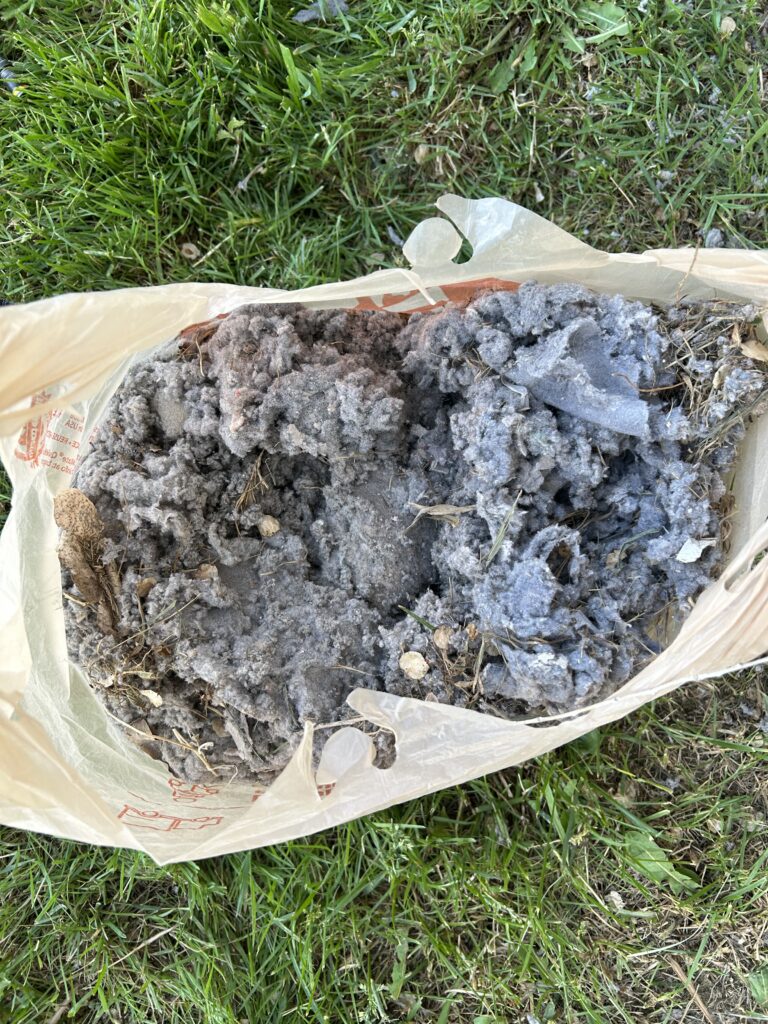
Lint is one of the most flammable materials found in any home, and your dryer vent collects it constantly. Fire academies actually use dryer lint as tinder during training exercises because it ignites so easily. Inside a clogged vent, lint sits directly in the path of hot exhaust air that can exceed 130 degrees during normal operation. When airflow drops, that heat has nowhere to go, and temperatures inside the duct climb far beyond safe limits. A single spark from static, a failing heating element, or overheated exhaust can set the entire lint layer on fire. Vent fires spread fast because the duct acts like a chimney, pulling flames through walls, ceilings, and crawl spaces. Many homeowners never see the fire start because the vent runs through hidden areas of the home. Removing the lint removes the fuel, and that is exactly what professional dryer vent cleaning accomplishes.
Winter is the peak season for dryer fires across the country, and the timing is not a coincidence. Households wash more clothing in cold months, including towels, sweatshirts, flannel sheets, and fleece blankets that shed heavy lint. Holiday guests add extra loads of bedding and laundry on top of normal family use. All of that material moves through a vent that may already be half blocked from a year of buildup. The dryer also runs during colder hours when families are asleep or away, which delays fire detection. Statistics from federal fire agencies consistently show dryer fire incidents climbing in January and peaking through the winter months. A vent cleaned in fall enters this high risk season with full airflow and no fuel load. That single appointment removes the most common cause of appliance fires in residential homes.
Warning signs of dangerous lint buildup usually appear before a fire ever starts, and homeowners should know them. Clothes that need two or three cycles to dry indicate the exhaust cannot escape the drum. The top of the dryer or the laundry room itself may feel unusually hot during operation. A burning smell during a cycle means lint is scorching somewhere inside the machine or the vent line. Check the exterior vent hood while the dryer runs; weak airflow or no visible flap movement points to a blockage. Lint collecting around the door seal or behind the dryer is another red flag. Any of these symptoms means the vent needs attention before winter laundry season begins. Noticing these signs at your house? Click here for our dryer vent cleaning service.

A Clogged Dryer Vent Raises Your Winter Energy Bills
A dryer works by pushing hot, moist air out of the drum and through the vent to the outdoors. When lint restricts that vent, moisture stays trapped inside the drum with your clothes. Wet clothes cannot dry in trapped humidity, so the machine runs longer to finish the job. A load that should take 45 minutes stretches to 90 minutes or more, and the energy meter records every extra minute. The dryer is already one of the most energy hungry appliances in the home, often costing more per hour than nearly anything else you run. Doubling cycle times can effectively double the drying portion of your electric or gas bill. Winter makes this worse because laundry volume increases at the exact moment the vent performs at its worst. Families often blame rising winter bills on the furnace when the dryer deserves a share of the scrutiny.
The math on dryer vent cleaning favors the homeowner every single time. A typical household runs several loads per week, and heavy winter use can push that number higher. Each extended cycle wastes energy, and those wasted kilowatt hours accumulate across an entire heating season. Restricted vents can cut dryer efficiency dramatically, and industry estimates put the added cost at hundreds of dollars per year for badly clogged systems. A professional cleaning restores full airflow and returns cycle times to normal immediately. Most homeowners notice the difference on the very first load after service. Shorter cycles also mean less heat and humidity leaking into the laundry room. The service pays for itself through energy savings, and the safety benefit comes free on top.
Energy waste from a clogged dryer vent also affects the rest of your HVAC system during winter. Long dryer cycles dump extra heat and moisture into the laundry area, and your home systems must deal with both. Excess humidity condenses on cold windows and walls, feeding mold growth in winter months. Some vent blockages force warm, moist exhaust to leak into wall cavities where it damages insulation and framing. Damaged insulation makes your furnace work harder to hold temperature all season long. Smart homeowners bundle vent cleaning with a fall furnace tune up so the whole home enters winter ready. Ready to prepare your heating system too? Click here for our furnace maintenance service. One fall service day can lower your bills from November through March.
A Blocked Dryer Vent Shortens the Life of Your Dryer
Heat is the enemy of every mechanical component inside your dryer, and a blocked vent traps heat where it does the most damage. The heating element cycles harder and hotter when exhaust cannot escape, which burns out elements years ahead of schedule. Thermostats and thermal fuses trip repeatedly under high temperatures, and each trip stresses the part until it fails. The drum motor and blower fan strain against back pressure on every cycle. Belts stretch and crack faster in a machine that constantly runs hot. Modern dryers include high limit safety switches that shut the unit down during overheating, and repeated shutdowns signal serious vent trouble. Each of these failures means a repair bill, and the repairs keep coming until the airflow problem is fixed. A clean vent lets every component operate at its designed temperature.
Replacement costs make vent neglect an expensive habit for any household. A quality dryer represents a significant appliance investment, and manufacturers design them to last 10 to 15 years under normal conditions. Running against a clogged vent can cut that lifespan roughly in half. Thermal fuse replacements, heating element swaps, and motor repairs add up quickly along the way. Many homeowners replace a dryer that only needed a clean vent to perform like new. Appliance technicians see this pattern constantly during service calls. The vent is the cheapest part of the entire laundry system to maintain, yet it determines how long the expensive parts survive. Annual cleaning before winter protects the appliance during its hardest working season.
Vent condition matters even more for newer, high efficiency dryer models heading into winter. Modern dryers use moisture sensors and precise temperature controls that depend on proper airflow to function. A restricted vent confuses these sensors, causing cycles that end with damp clothes or run far too long. Some units display error codes and refuse to operate until airflow improves. Gas dryers face additional strain because restricted exhaust affects combustion inside the burner assembly. Poor combustion wastes fuel and accelerates wear on the burner and ignition components. Manufacturers specify maximum vent lengths and require clean ducts in their installation guidelines for these exact reasons. Protecting your dryer starts with the vent, not the machine itself.
How Utah Winter Weather Makes Dryer Vent Problems Worse
Cold weather does more than increase laundry volume; it actively attacks the dryer vent system itself. Warm, moist dryer exhaust meets freezing outdoor air at the vent termination, and that collision creates condensation inside the duct. Condensation soaks existing lint, turning loose fluff into a dense, sticky sludge that clings to duct walls. Freezing temperatures then harden that sludge and can freeze the exterior vent flap shut entirely. Snow drifts and ice can physically bury or block exterior vent hoods after storms. Utah’s mountain valley climate produces long stretches of subfreezing weather that keep these problems active for months. Homes also stay sealed tight in winter, which raises the stakes for any exhaust gases that leak indoors. Understanding these seasonal effects explains why fall is the right time for dryer vent cleaning.
Freezing Temperatures Cause Dryer Vent Condensation and Ice Blockages
Every dryer cycle pushes out air loaded with moisture pulled from wet clothing. In summer, that moist air exits the duct quickly and disperses outdoors without trouble. In winter, the exhaust cools rapidly as it travels through duct sections in garages, crawl spaces, attics, and exterior walls. Cooled air cannot hold its moisture, so water condenses on the inside of the duct before reaching the exit. That condensation mixes with lint and creates wet clumps far heavier than dry lint alone. Wet lint does not blow free; it sticks, hardens, and narrows the duct with every load. Long vent runs and ducts with multiple elbows suffer the worst condensation because exhaust spends more time cooling inside them. A vent that starts winter with lint buildup accelerates this cycle dramatically.
Ice formation takes the condensation problem one step further in Utah’s climate. Water that condenses near the vent termination freezes when outdoor temperatures drop below 32 degrees. Ice forms on the vent flap, around the hood, and inside the final section of duct. A frozen flap cannot open, which blocks exhaust completely and shuts down drying performance. Some homeowners discover icicles hanging from the vent hood, which is a clear sign of trapped moisture in the line. Repeated freeze and thaw cycles build ice layers thicker with each cold snap. The dryer then pushes hot, wet air against a frozen wall, sending moisture backward into the machine and the laundry room. Clean ducts move exhaust fast enough to reach the outdoors before serious condensation begins.
Preventing winter dryer vent freezing starts with a thorough cleaning while fall weather still allows easy access. A professional cleaning removes the lint base layer that wet exhaust would otherwise soak and expand. Technicians also inspect the exterior hood, confirm the flap moves freely, and check for damaged or crushed duct sections. Proper duct routing and secure joints reduce the cold spots where condensation forms. Homeowners should keep snow cleared away from the exterior vent hood after storms all winter long. Rigid metal duct performs far better than flexible foil duct in cold climates and resists crushing behind the machine. A fall inspection catches these issues before ice makes them worse. Want a clean, inspected vent before the freeze? Click here for our dryer vent cleaning service.

Heavier Winter Laundry Loads Push More Lint Into the Dryer Vent
Winter wardrobes generate more lint than any other season’s clothing, and every fiber ends up in the vent system. Fleece jackets, flannel shirts, sweatpants, and thermal layers shed heavily during tumbling. Thick towels and winter bedding produce even more lint per cycle than clothing does. New blankets and holiday gift textiles release enormous amounts of loose fiber during their first several washes. The lint screen inside the dryer catches only a portion of this material, and the rest travels into the duct. Industry testing shows lint screens miss a meaningful share of airborne fibers on every load. Multiply that by a full winter of heavy laundry and the vent accumulates buildup at several times the summer rate. A duct that entered December partially clogged can reach dangerous restriction by February.
Household routines change in winter, and laundry frequency climbs along with them. Kids come home with snow soaked clothing that needs washing after every storm. Extra blankets rotate through the laundry as families layer up on cold nights. Holiday hosting adds guest towels, table linens, and bedding to the weekly schedule. Sick season brings additional loads of sheets and clothing washed in hot water. Many families run the dryer daily from Thanksgiving through March. Each additional load deposits more lint into the vent line while cold weather makes that lint stickier and harder to expel. The vent faces its heaviest workload and its harshest conditions at the same time.
Fall cleaning gives the vent system maximum capacity right before this seasonal surge begins. A freshly cleaned duct handles heavy lint production for months before restriction becomes a concern. Homeowners can extend that protection with simple habits between professional cleanings. Clean the lint screen before every single load without exception. Avoid overloading the drum, since packed loads shed more lint and dry slower. Wash new textiles separately for their first few cycles when fiber shedding peaks. Keep the area behind the dryer clear so the transition duct stays uncrushed. These habits stretch the benefit of professional service through the entire winter laundry season.
Sealed Winter Homes Trap Dryer Vent Exhaust and Carbon Monoxide
Winter changes how air moves through your home, and those changes raise the stakes for vent problems. Windows stay closed, doors stay shut, and weatherstripping seals every gap to hold heat inside. A tightly sealed home has very little fresh air exchange compared to a summer home with open windows. Any dryer exhaust that leaks from a blocked or disconnected vent stays trapped indoors instead of dissipating. Electric dryer leaks release humidity and lint particles that degrade indoor air quality and feed mold growth. Fine lint particles circulate through the home and aggravate allergies and asthma. Moisture from leaking exhaust condenses inside walls and around windows during cold weather. Problems that would go unnoticed in July become obvious and harmful in January.
Gas dryers carry a far more serious winter risk when the vent cannot breathe. A gas dryer burns fuel to create heat, and combustion produces carbon monoxide as a byproduct. A properly working vent carries that carbon monoxide safely outdoors with the exhaust stream. A blocked vent forces combustion gases to back up into the laundry room and spread through the sealed home. Carbon monoxide is invisible and odorless, and exposure causes headaches, dizziness, nausea, and worse. Sealed winter homes concentrate the gas instead of diluting it with fresh outdoor air. Every home with gas appliances needs working carbon monoxide detectors on every level. The vent cleaning itself removes the blockage that creates the danger in the first place.
Backdrafting adds one more layer of winter risk that most homeowners never consider. Furnaces, water heaters, bathroom fans, and kitchen hoods all compete for air inside a sealed house. A dryer pulls a large volume of air out of the home while it runs, and that air must be replaced from somewhere. In a tight home with a blocked dryer vent, pressure imbalances can pull combustion gases backward down furnace or water heater flues. This reverse airflow introduces carbon monoxide from appliances that were venting properly on their own. HVAC professionals evaluate whole home ventilation and spot these pressure problems during service visits. A clean, unobstructed dryer vent keeps the appliance from contributing to dangerous pressure conditions. Fall service protects your air quality through the entire sealed season.
Why You Need Professional Dryer Vent Cleaning Before Winter Arrives
Homeowners can vacuum the lint screen housing, but the full vent line requires professional equipment and training. Ducts often run 15 to 35 feet through walls, ceilings, attics, and crawl spaces before reaching the outdoors. Rotary brushes, high powered vacuums, and inspection tools reach every foot of that run and remove buildup completely. A professional visit also catches crushed ducts, disconnected joints, improper materials, and failing exterior hoods. Fall scheduling means the work happens before ice, snow, and peak laundry season arrive. One appointment delivers fire protection, energy savings, appliance longevity, and safer indoor air for the whole winter.
Professional Dryer Vent Cleaning Protects Your Home and Family
Professional dryer vent cleaning removes the entire fuel source that feeds dryer fires. Technicians run rotary brushes through the full length of the duct while powerful vacuums capture dislodged lint. This process cleans sections that no household vacuum attachment or hardware store kit can reach. Elbows, vertical runs, and long horizontal stretches all get scrubbed to bare metal. The exterior hood gets cleared and tested so the flap opens fully under airflow. The result is a vent with zero fuel load heading into the highest risk months of the year.
Inspection is the hidden value inside every professional cleaning visit. Trained technicians spot problems that homeowners cannot see, including crushed transition ducts behind the machine. They identify dangerous plastic or foil duct material that building codes no longer allow for dryer venting. Disconnected joints hiding inside walls get found before they dump exhaust into the home. Bird nests and rodent intrusions near the exterior hood get removed and screened against return. Each finding gets corrected or flagged so the system performs safely all winter.
Peace of mind matters most for families running the dryer overnight or while away from home. Winter routines often push laundry into evening hours when a vent fire would go undetected longest. A professionally cleaned vent removes that worry from the household entirely. Gas dryer owners gain protection against carbon monoxide backup at the same time. The service takes a single appointment and protects the home for the full season. Schedule it in fall and cross one major hazard off your winter list.
Dryer Vent Cleaning Before Winter Saves Money All Season Long
Clean vents cut drying times immediately, and shorter cycles mean lower utility bills. Full airflow lets moisture escape the drum at the rate the manufacturer designed. Loads finish in one cycle instead of two, saving energy on every wash day from November through March. Winter laundry volume makes these savings larger than any other season. Households running daily loads see the biggest reduction in wasted energy. The cleaning fee typically returns itself through utility savings within the season.
Avoided repair costs multiply the financial benefit of fall service. Thermal fuses, heating elements, and motors fail early in dryers fighting against blocked vents. A single major dryer repair often costs more than several years of professional vent cleanings. Early appliance replacement costs even more and usually traces back to years of overheating. Clean airflow keeps components at designed temperatures and extends appliance life toward its full potential. Preventive service is always cheaper than reactive repair in the appliance world.
Home protection savings extend beyond the dryer itself. Trapped moisture from a clogged vent damages drywall, insulation, and framing over a single winter. Mold remediation and moisture repairs cost thousands when leaking exhaust goes unnoticed. Fire damage represents the worst case financial outcome, and insurance deductibles only begin that expense. A clean vent eliminates the moisture source and the fire fuel simultaneously. Fall dryer vent cleaning is one of the cheapest forms of home protection available.
Why Choose Vortex Air HVAC for Dryer Vent Cleaning in Utah
Vortex Air HVAC brings licensed and certified technicians to every dryer vent cleaning job. Our team understands airflow, venting codes, and combustion safety because we work on these systems every day. We serve homes and businesses across Utah County and the surrounding areas from our Orem location. Local ownership means we answer to our neighbors, not a distant corporate office. We treat your home with respect and leave the work area cleaner than we found it. Prompt, professional service is the standard on every visit.
Our dryer vent cleaning process covers the complete system from the dryer connection to the exterior hood. Technicians clean the full duct run, verify airflow, inspect materials, and test the exterior flap. We identify code violations and safety hazards and explain every finding in plain language. You receive honest recommendations without pressure or upselling. Gas dryer customers get combustion safety attention that general cleaning services cannot provide. Our HVAC and refrigeration expertise means we understand your whole home, not just one appliance.
Scheduling before winter is easy, and our team makes fall preparation simple for busy families. Call (801) 400-2422 or email info@vortexairhvac.com to book your dryer vent cleaning today. We offer 24/7 emergency services all winter for customers who need urgent help. Bundle your vent cleaning with heating maintenance and enter the cold season fully prepared. Energy efficient home upgrades are our specialty, and clean venting is where efficiency starts. Trust Vortex Air HVAC to get your home winter ready the right way.