
How to Improve Indoor Air Quality Before Closing Up for Winter
Fall is the season when Utah homeowners seal windows, close doors, and prepare to spend more time inside. Once your home is closed up for winter, the air inside gets recirculated over and over for months. Dust, pet dander, mold spores, and chemical fumes have nowhere to go, so they build up in your living space. The EPA reports that indoor air can be two to five times more polluted than outdoor air, and winter makes that problem worse. Poor indoor air quality triggers allergies, worsens asthma, and leaves your family breathing contaminants all season long. The good news is that a few smart steps taken before the cold arrives can make a major difference. Improving indoor air quality is easier and cheaper in the fall than it is in the middle of January. This guide explains why winter hurts your air, what to do about it, and when to call a professional.
Why Indoor Air Quality Drops When You Close Up for Winter
Your home breathes differently in winter than it does in summer. Warm months allow fresh air to move through open windows and doors, which dilutes indoor pollutants naturally. Cold months eliminate that ventilation almost completely. Modern homes are built tight to save energy, and that tight envelope traps contaminants inside with you. Your heating system then circulates those contaminants through every room, several times per hour, all season long. Humidity also drops in winter, which dries out your airways and makes airborne irritants more bothersome. Add in more cooking, more candles, more time indoors with pets, and the pollutant load climbs fast. Understanding these causes is the first step toward fixing your indoor air quality before the snow flies.
How Sealed Windows and Doors Hurt Indoor Air Quality
Sealing your home for winter is smart for your energy bill, but it comes with a tradeoff for indoor air quality. Every gap you close is one less pathway for stale air to escape and fresh air to enter. Air exchange rates in a tightly sealed home can drop dramatically compared to a home with open windows. That means volatile organic compounds from cleaning products, paints, and furniture linger far longer than they should. Carbon dioxide levels also rise when people and pets exhale into a closed space for hours. Elevated CO2 causes headaches, drowsiness, and poor concentration, symptoms many families blame on winter blues. Cooking fumes and combustion byproducts from gas ranges stay suspended in the air instead of drifting outside. The sealed envelope that keeps heat in also keeps pollution in.
This does not mean you should leave windows cracked all winter in Utah; heating costs would skyrocket. It means you need to be intentional about mechanical ventilation and filtration instead. Exhaust fans in kitchens and bathrooms should be tested in the fall to confirm they actually move air outdoors. Many homeowners discover their bathroom fan vents into the attic, which spreads moisture and mold rather than removing it. Range hoods should be cleaned and verified as ducted, not recirculating, wherever possible. Some homes benefit from a dedicated fresh air intake or an energy recovery ventilator that brings in outside air without losing heat. A licensed HVAC technician can evaluate your ventilation and recommend the right solution. Fall is the ideal time to make these corrections before the sealed season begins.
There is also a safety dimension to sealed homes that many people overlook. Gas furnaces, water heaters, and fireplaces all need adequate combustion air to burn cleanly. A home that is too tight can starve these appliances of oxygen, which increases the risk of carbon monoxide production. Carbon monoxide is odorless, colorless, and deadly, and winter is peak season for CO poisoning across the country. Every home with gas appliances needs working carbon monoxide detectors on every level. Fall furnace inspections check heat exchangers and venting to catch CO risks before they become emergencies. Sealing your home should always be paired with a professional safety check of your combustion appliances. Your indoor air quality plan is not complete without it.

Dust, Dander, and Allergen Buildup Lowers Indoor Air Quality
Dust is the most visible enemy of indoor air quality, and winter gives it the perfect environment to accumulate. Every hour spent indoors adds skin cells, fabric fibers, pet dander, and tracked in debris to your home. Without open windows to flush the air, these particles settle on surfaces and get kicked back up with every footstep. Your furnace blower then picks them up and redistributes them throughout the house. Dust mites feed on this debris and multiply in bedding, carpet, and upholstery all winter long. Their waste is one of the most common indoor allergy triggers in America. Families often notice more sneezing, congestion, and itchy eyes within weeks of turning on the heat. That reaction is usually the dust load, not a cold.
Pets make the winter allergen problem significantly worse. Dogs and cats spend more time inside during cold months, shedding dander and hair continuously into a closed system. Pet dander is extremely lightweight and can stay airborne for hours before settling. It also sticks to walls, furniture, and ductwork, which means it keeps circulating long after cleaning day. Homes with pets typically need filter changes twice as often as homes without them. Deep cleaning carpets, washing pet bedding weekly, and vacuuming with a HEPA vacuum all help reduce the load. Grooming pets regularly, ideally outdoors or in a garage, cuts shedding before it enters your air. These habits matter most in fall, when you are setting the baseline for the entire winter.
Mold is another allergen that thrives in winter homes. Condensation forms on cold windows, in poorly ventilated bathrooms, and in basements when warm indoor air meets cold surfaces. Mold spores release into the air and circulate through your HVAC system just like dust. People with asthma or mold sensitivity can experience serious respiratory symptoms from even moderate spore levels. Fall is the time to fix leaky window seals, confirm bathroom fans work, and address any musty smells in the basement. Cleaning visible mold with proper products and correcting the moisture source prevents winter growth. Your ductwork should also be inspected, since hidden mold inside ducts contaminates every room at once. Catching these problems in October is far easier than fighting them in February.
Furnace Filters and Their Role in Indoor Air Quality
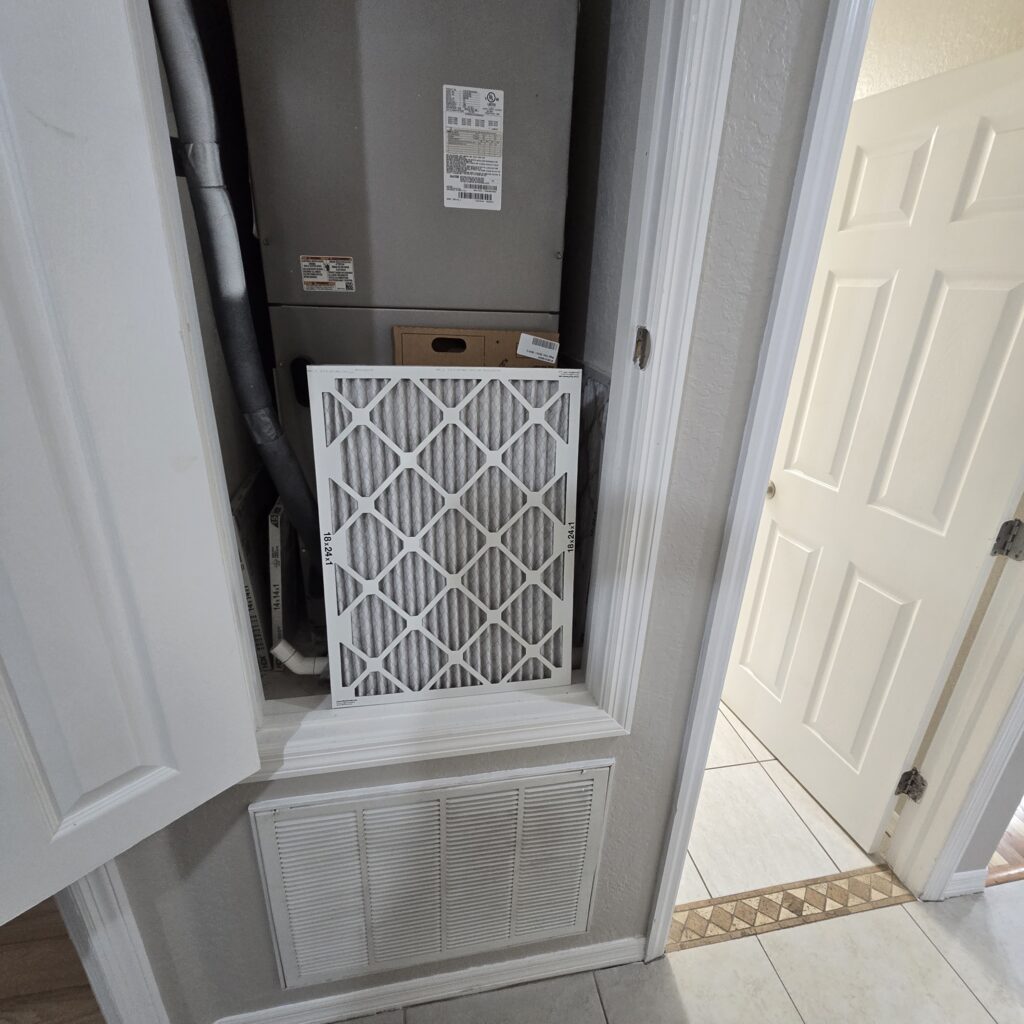
Your furnace filter is the single most important tool for maintaining indoor air quality in winter. Every bit of air in your home passes through that filter multiple times per day during heating season. A clean, quality filter captures dust, dander, pollen residue, and other particles before they recirculate. A dirty filter does the opposite; it becomes a reservoir of contaminants that air squeezes past and around. Clogged filters also restrict airflow, which forces your furnace to work harder and run longer. That strain raises energy bills and shortens equipment life, on top of degrading your air. Most homeowners underestimate how fast filters load up once the furnace runs daily. Checking your filter monthly during winter is one of the cheapest health investments you can make.
Filter quality matters as much as filter freshness. Filters are rated on the MERV scale, which measures how small a particle they can capture. Basic fiberglass filters rate around MERV 2 to 4 and catch only large debris; they protect the furnace, not your lungs. Pleated filters in the MERV 8 to 13 range capture fine dust, dander, mold spores, and even some bacteria. Most residential systems handle MERV 11 to 13 well, but very high ratings can restrict airflow on older equipment. A technician can tell you the highest rating your system supports safely. Upgrading from a bargain filter to a proper pleated filter is a noticeable improvement for allergy sufferers. Fall is the right time to stock up on the correct size and rating for the whole season.
Filter changes work best as part of complete furnace maintenance. A fall tune up includes cleaning the blower assembly, checking the heat exchanger, and verifying safe combustion, all of which affect the air you breathe. A dirty blower wheel sheds debris into your airstream every time the furnace cycles. A cracked heat exchanger can leak combustion gases into your supply air, which is a serious health hazard. Professional maintenance catches these issues before heating season starts. It also improves efficiency, so you pay less to stay warm. Need your furnace ready for winter? Click here for our furnace maintenance service. Pairing a tuned furnace with quality filters gives your indoor air quality a strong foundation for the cold months.
Steps to Improve Indoor Air Quality Before Winter Arrives
Improving indoor air quality before winter is about removing contaminants at the source, filtering what remains, and managing moisture. The best time to act is September through November, before your home seals up and your furnace runs around the clock. Start with the systems that move your air: ductwork, filters, and ventilation fans. Then address the air itself with purification and humidity control. Small habits help too, like using door mats, removing shoes, and choosing low VOC cleaning products. Each step compounds with the others, so a layered approach beats any single fix. Homeowners who complete these steps in fall report fewer winter allergy symptoms and fewer sick days. The sections below cover the three upgrades that deliver the biggest indoor air quality results.
Air Duct Cleaning Improves Indoor Air Quality All Winter
Your ductwork is the circulatory system of your home, and it collects debris year after year. Dust, pet hair, construction debris, insect matter, and even rodent droppings accumulate inside supply and return ducts. When your furnace kicks on in October, it blasts air across all of that buildup and carries it into your rooms. Many homeowners notice a burnt dust smell at the first heat of the season; that smell is contamination burning off and circulating. Studies show a typical home generates pounds of dust per year, and a portion of it ends up in the ducts. Dirty ducts also feed dust mites and can harbor mold if moisture is present. Cleaning the ducts before heating season removes the source instead of endlessly filtering the symptom. It is one of the highest impact indoor air quality steps available.
Professional air duct cleaning is very different from vacuuming a few registers. Technicians use negative pressure equipment and rotating brushes to dislodge and extract debris from the entire duct system. The process covers supply trunks, branch runs, return ducts, and the blower compartment. A thorough cleaning also inspects for disconnected joints, crushed sections, and leaks that pull dusty attic or crawlspace air into your system. Sealing those leaks improves both air quality and efficiency at the same time. Homes with recent renovations, new pets, visible dust puffing from vents, or occupants with allergies benefit the most. The National Air Duct Cleaners Association recommends inspection every few years and cleaning as conditions warrant. Fall scheduling means you start winter with a clean system.
Duct cleaning pays off in comfort and cost, not just health. Clean ducts allow air to move freely, so rooms heat evenly and the furnace cycles less. Reduced dust in the airstream keeps your new filter cleaner longer, stretching filter life. Your blower motor runs cooler when it is not choked with debris, which extends equipment lifespan. Families often notice less dusting is needed around the house within weeks of a cleaning. The improvement is especially clear in bedrooms, where people spend eight hours a night breathing supply air. Want cleaner air from every vent this winter? Click here for our air duct cleaning service. It is a once every few years investment that improves every single day of heating season.

Air Purification Systems Boost Indoor Air Quality Year Round
Filtration catches particles, but whole home air purification goes further. Purification systems installed in your HVAC equipment treat every cubic foot of air your furnace moves. High efficiency media air cleaners capture particles far smaller than standard filters can handle. UV germicidal lights installed near the coil and in the ductwork neutralize mold, bacteria, and viruses as air passes by. Some advanced systems use polarized media or ionization to make ultrafine particles clump together so filters can grab them. These technologies work continuously, silently, and without any daily effort from you. In a sealed winter home, that constant treatment is exactly what your air needs. Portable room purifiers help in single spaces, but whole home systems protect the entire house.
Winter is when purification proves its value most. Cold and flu season peaks when families are sealed indoors together, sharing recirculated air for months. Airborne pathogens linger longer in dry, stagnant winter air than in ventilated summer air. UV purification reduces the microbial load circulating through your ducts, which supports a healthier household. High efficiency filtration also captures smoke particles from fireplaces, candles, and cooking that spike during the holidays. Homes near busy roads gain protection from fine combustion particles that infiltrate even sealed houses. People with asthma, COPD, or chemical sensitivities often report meaningful symptom relief after installation. Installing before winter means the system is protecting your family from day one of the sealed season.
Choosing the right purification system depends on your home, your health concerns, and your existing equipment. A technician evaluates your duct layout, blower capacity, and specific air quality problems before recommending equipment. Particle problems like dust and dander point toward media filtration; biological concerns point toward UV; odors and VOCs may call for activated carbon or PCO technology. Many homes benefit from combining two technologies for complete coverage. Professional installation ensures correct placement, sealed connections, and proper airflow. Sizing matters, because an undersized system cannot keep pace with a large home. Ready to breathe cleaner air this winter? Click here for our home air purification service. One consultation can map out exactly what your indoor air quality needs.
Humidity Control Protects Indoor Air Quality in Cold Months
Humidity is the forgotten half of indoor air quality, and winter destroys it. Cold outdoor air holds very little moisture, and heating that air drops relative humidity even further. Utah winters routinely push indoor humidity below 20 percent, well under the healthy range of 30 to 50 percent. Dry air cracks lips, irritates sinuses, and dries out the protective mucous membranes in your airways. Those membranes are your first defense against viruses and airborne irritants, so dry air makes you more vulnerable to winter illness. Static shocks, cracking hardwood floors, and splitting furniture are all symptoms of the same problem. Your body and your home both suffer when humidity collapses. Restoring proper moisture is a core indoor air quality upgrade for winter.
A whole home humidifier solves the problem at the system level. It mounts on your furnace and adds controlled moisture to the supply air as it heats. Unlike portable units, it treats every room, refills itself from your water line, and holds a precise humidity setpoint automatically. Proper humidity also makes air feel warmer at the same temperature, so many homeowners lower the thermostat a degree or two and save on heating costs. Bypass, fan powered, and steam models fit different home sizes and budgets. Installation in the fall means comfortable, healthy humidity from the first cold snap. Maintenance is simple; the water panel gets replaced once a season. It is one of the most affordable comfort upgrades in HVAC.
Balance matters, because too much humidity is as harmful as too little. Excess moisture condenses on cold windows and wall cavities, feeding mold growth and dust mites. That is why professional setup and a quality humidistat are important; the system should adjust output based on outdoor temperature. Bathrooms and kitchens still need working exhaust fans to remove moisture spikes from showers and cooking. Basements should be checked for dampness before winter, since ground moisture problems compound in cold months. A technician can measure your current humidity levels and recommend the right target for your home. Dialing in humidity protects your health, your woodwork, and your indoor air quality all at once. Fall is the season to get it right.
Why You Need a Professional Indoor Air Quality Inspection Before Winter
You cannot fix what you cannot measure, and most indoor air quality problems are invisible. A professional inspection identifies exactly what is circulating in your home before you seal it up for four months. Technicians check ductwork condition, filter fitment, ventilation performance, humidity levels, and combustion safety in a single visit. They then recommend targeted solutions instead of guesswork purchases that may not address your actual problem. Fall inspections also catch furnace issues before the first freeze, when repair schedules fill up fast. One appointment now prevents a winter of poor air and surprise breakdowns.
Schedule Your Indoor Air Quality Inspection Early in the Fall
Timing your inspection matters more than most homeowners realize. HVAC companies across Utah County get slammed once the first hard freeze hits, and emergency calls take priority. Booking in September or October gets you a convenient appointment and time to complete any recommended work. Duct cleanings, purifier installations, and humidifier setups all take scheduling lead time. Completing everything before you close up the house means your air is clean from day one of heating season. Waiting until January means breathing the problem for months first.
Early inspections also protect your budget. Problems found in fall can be planned, priced, and scheduled without emergency urgency. A cracked heat exchanger discovered in October is a managed replacement; the same crack discovered during a January cold snap is a crisis with no heat. Filter upgrades and duct sealing done early start saving energy immediately. Many manufacturers and utilities offer fall rebates on efficiency and air quality equipment. Planning ahead simply costs less than reacting.
There is a health timing benefit too. Allergy and asthma symptoms ramp up in the weeks after furnaces first fire up for the season. Cleaning ducts and upgrading filtration before that first startup prevents the initial contaminant blast entirely. Families with young children, elderly members, or respiratory conditions gain the most from early action. Cold and flu season arrives shortly after heating season, and purification systems need to be running beforehand. An early inspection puts every protective measure in place before your family needs it.
The Health and Cost Benefits of Better Indoor Air Quality
Clean indoor air delivers measurable health returns. Reduced dust, dander, and mold exposure means fewer allergy flare ups and asthma attacks through the winter. Better humidity keeps airways moist and resilient against seasonal viruses. Households often report better sleep, since nighttime congestion drops when bedroom air is clean. Children and seniors, whose respiratory systems are most sensitive, benefit the most. Fewer sick days and doctor visits are a real financial return on air quality spending.
The equipment savings are just as real. Clean ducts and fresh filters let your furnace breathe, which lowers runtime and energy bills. Restricted airflow is a leading cause of blower motor failure and heat exchanger overheating; removing that restriction extends furnace life by years. Balanced humidity protects hardwood floors, cabinetry, musical instruments, and electronics from dry air damage. Every one of these items costs far more to replace than air quality maintenance costs to perform. Prevention is always the cheaper path in HVAC.
Comfort is the benefit you notice every single day. Even heating, no dusty smells, no static shocks, and no bone dry air make winter genuinely more pleasant. Air feels fresher, and the house stays cleaner between dustings. Guests notice the difference during holiday gatherings, even if they cannot name why. Proper humidity lets you run the thermostat lower while feeling just as warm. Better indoor air quality turns a sealed winter house into a healthy winter home.
Why Choose Vortex Air HVAC for Indoor Air Quality Services
Vortex Air HVAC is locally owned and operated right here in Orem, Utah. Our licensed and certified technicians live in the communities we serve, from Provo and Lehi to Spanish Fork and Heber City. We know how Utah winters affect homes along the Wasatch Front because we winterize our own homes the same way. Local ownership means accountability; our reputation is built on your neighbors’ referrals. We treat every home like it belongs to family. That is the standard behind every inspection, cleaning, and installation we perform.
Our team handles the complete range of indoor air quality services under one roof. Air duct cleaning, air duct inspection, home air purification, furnace maintenance, humidification, and dryer vent cleaning are all in house specialties. That means one trusted company instead of juggling multiple contractors. We also recommend energy efficient HVAC upgrades that improve air quality and cut utility bills at the same time. Every recommendation comes with straight answers and honest pricing. We fix the actual problem, not just the symptom.
Winter does not wait for business hours, and neither do we. Vortex Air HVAC offers 24/7 emergency services for both residential and commercial customers across Utah County and beyond. Prompt, professional service you can rely on is not a slogan; it is how we operate every day. Call us at (801) 400-2422 to schedule your fall indoor air quality inspection today. You can also email info@vortexairhvac.com or visit us at 776 W 165 S, Orem, UT 84058. Breathe easier this winter with Vortex Air HVAC.