The Best Temperature Settings for Utah Homes this Winter
Winter in Orem, Utah, brings a unique set of challenges for homeowners. Between the heavy snowfall, the piercing canyon winds, and the deep freezes that can settle over the valley for weeks, your heating system is often pushed to its absolute limit. Finding the right balance on your thermostat isn’t just about staying warm; it is about managing your monthly utility bills and protecting the mechanical health of your furnace. Because Utah winters are so demanding, a one size fits all approach to temperature settings usually results in either a freezing house or a shocking energy bill.
The goal for most families along the Wasatch Front is to find a sweet spot that maintains comfort while minimizing waste. Your furnace is the most energy intensive appliance in your home, and every degree you raise the temperature increases the workload on the system. However, keeping the house too cold can lead to other issues, like frozen pipes or an uncomfortable living environment that forces everyone into multiple layers of heavy clothing. By understanding how to strategically adjust your settings based on the time of day and your family’s activities, you can enjoy a cozy home without dreading the arrival of the gas bill.
Smart temperature management also plays a critical role in the longevity of your HVAC equipment. A furnace that is forced to maintain a high temperature during a sub zero night will cycle on and off much more frequently than one running at a moderate setting. This constant cycling leads to more wear and tear on the blower motor, the ignitor, and the heat exchanger. By following a consistent, evidence based temperature schedule, you can protect your investment and ensure your system remains reliable throughout the coldest months of the year.
The Ideal Daytime Settings for Comfort and Savings
For most Orem homes, the magic number for daytime heating is sixty eight degrees Fahrenheit. This is the temperature recommended by the Department of Energy as the best balance between a comfortable indoor climate and energy efficiency. At sixty eight degrees, the air is warm enough for most active people to feel comfortable while wearing standard indoor clothing like a long sleeve shirt or a light sweater. It provides enough heat to keep the structure of the home warm without forcing the furnace into the high energy consumption zone.

If sixty eight degrees feels a bit too chilly for your family, try increasing it by only one or two degrees at a time. Many people find that seventy degrees is their personal threshold for comfort. It is important to remember that for every degree you can comfortably lower the thermostat, you can save as much as three percent on your heating costs. This adds up quickly over a long Utah winter that can stretch from October well into April. Rather than cranking the heat to seventy five, consider using the natural warmth of the sun by opening south facing curtains during the day.
Maintaining a steady temperature is often more efficient than letting the house get extremely cold and then trying to heat it back up rapidly. Some homeowners make the mistake of turning the heat down to fifty degrees while they are at work, only to crank it up to seventy five when they return. This actually causes the furnace to run a massive, high intensity cycle that can put immense strain on the system. Aim for a moderate, consistent setting during the hours when people are home and active.
Nighttime Adjustments for Better Sleep
When the sun goes down and everyone tucks in for the night, your heating needs change significantly. Most sleep experts agree that a cooler environment actually promotes deeper, more restorative sleep. For healthy adults, dropping the thermostat to a range between sixty and sixty four degrees at night is ideal. Not only does this save a substantial amount of money on your utility bills, but it also aligns with the body’s natural drop in core temperature during sleep.
Lowering the temperature at night is one of the easiest ways to see a ten percent reduction in your annual heating costs. Since everyone is under heavy blankets or comforters, the cooler air in the room is rarely noticed once you are in bed. In Orem, where nighttime temperatures frequently drop into the teens or single digits, this setback prevents the furnace from working overtime during the hours when the temperature difference between the inside and outside of your home is at its greatest.
Need your thermostat repaired? Click here for our thermostat repair service.
However, these lower settings aren’t right for everyone. If you have infants in the home, the nursery should generally be kept between sixty eight and seventy two degrees to ensure their safety and comfort. Similarly, older adults or those with certain health conditions may need a more consistent, warmer setting throughout the night. If you have a multi story home in Orem, you may find that the upstairs stays naturally warmer while the basement gets quite cold; adjusting your settings to account for these temperature zones is a key part of nighttime comfort.
Protecting Your Home While You Are Away
One of the most common questions Orem homeowners ask is what temperature to set the house at when they go to work or leave for a winter vacation. If the house will be empty for eight hours or more, you should set the thermostat back seven to ten degrees from your normal comfort setting. This means if your daytime home temperature is sixty eight, you should drop it to around sixty degrees while you are away. This simple habit can save you up to ten percent a year on your total energy costs.
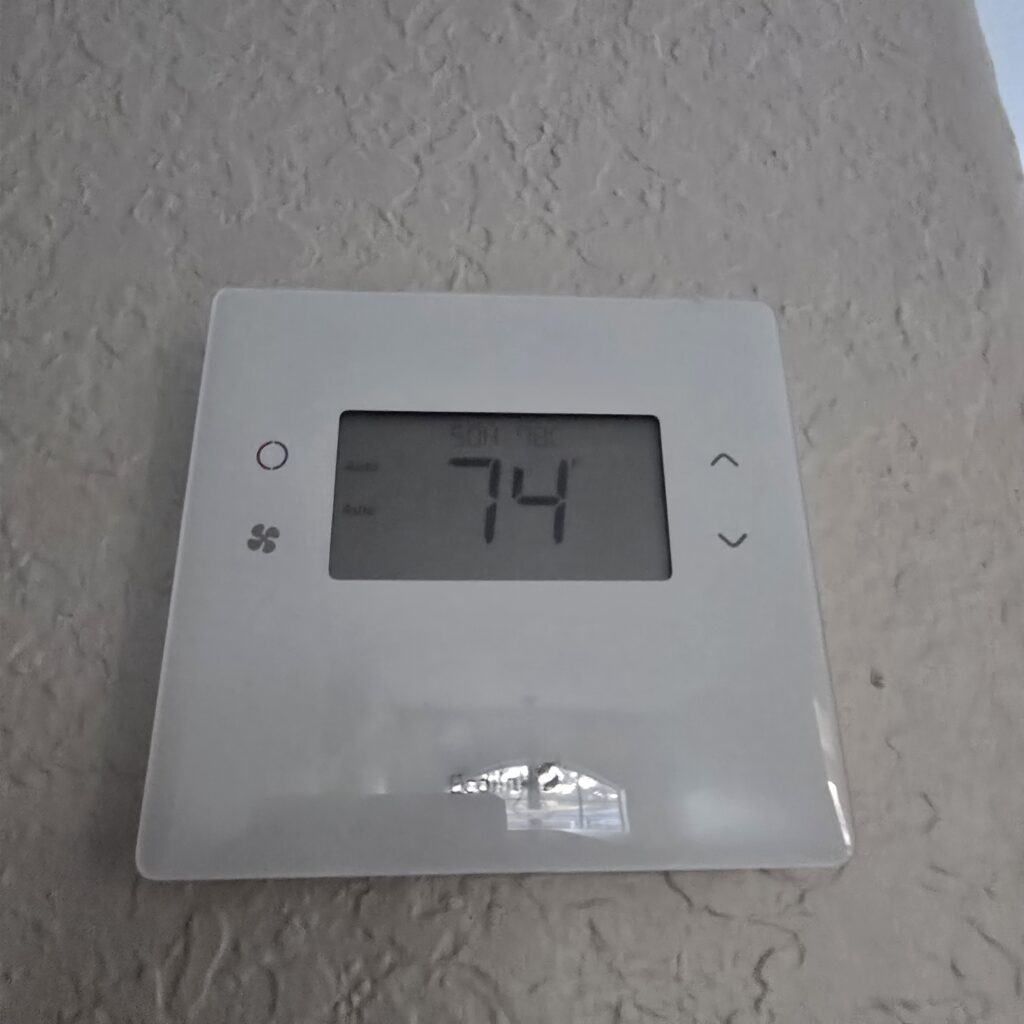
When you are leaving for a longer trip, such as a holiday vacation, it is tempting to turn the heat off entirely to save money. In the Utah climate, this is a dangerous mistake. You must maintain a minimum temperature to prevent your pipes from freezing and bursting, which can cause tens of thousands of dollars in water damage. Most professionals recommend keeping your home at no lower than fifty five degrees while you are away. This provides enough residual heat to protect the plumbing hidden in your walls and crawlspaces even during an extreme cold snap.
If your home has pipes located on exterior walls or in poorly insulated areas like a garage, you may need to keep the temperature slightly higher, perhaps around sixty degrees, to ensure enough heat reaches those vulnerable spots. For homeowners who travel frequently, a smart thermostat is a vital tool. It allows you to monitor your home’s temperature from your phone and will even send you an alert if the indoor temperature drops below a safe level, giving you peace of mind while you are away from the Wasatch Front.
The Power of Programmable and Smart Thermostats
Manually adjusting your thermostat several times a day is a chore that most people eventually forget to do. This is where programmable and smart thermostats become invaluable. A basic programmable thermostat allows you to set a schedule that matches your routine, automatically lowering the heat when you leave for work and warming the house back up just before you wake up or return home. This ensures you never have to choose between saving money and walking into a freezing house.
Want to know common furnace issues and how to avoid them? Click here for more information.
Smart thermostats take this a step further by learning your habits over time. They can detect when you have left the house early and adjust the temperature accordingly. Some models even integrate with local Orem weather forecasts; if a major cold front is moving in, the smart thermostat can begin heating the home more gradually to avoid a high intensity cycle. These devices also provide detailed energy reports, showing you exactly how much you are spending and offering suggestions on how to further optimize your settings for the local climate.
Another benefit of modern thermostats is their ability to provide maintenance alerts. During the heavy use months of a Utah winter, your air filter can become clogged very quickly with dust and pet dander. A smart thermostat can remind you exactly when it is time to change the filter, which is the single best thing you can do to protect your blower motor and maintain airflow. Investing in a high quality thermostat is one of the most effective upgrades you can make to your Orem home’s HVAC system.
Managing Humidity for Perceived Warmth
In the high desert environment of Orem, the air is naturally very dry, especially in the winter. Dry air can actually make your home feel much colder than it actually is. This is because moisture on your skin evaporates more quickly in dry air, which has a cooling effect on your body. By maintaining a proper humidity level of thirty to forty percent, the air will hold onto heat better, and you may find that you are comfortable with a thermostat setting that is two or three degrees lower than usual.
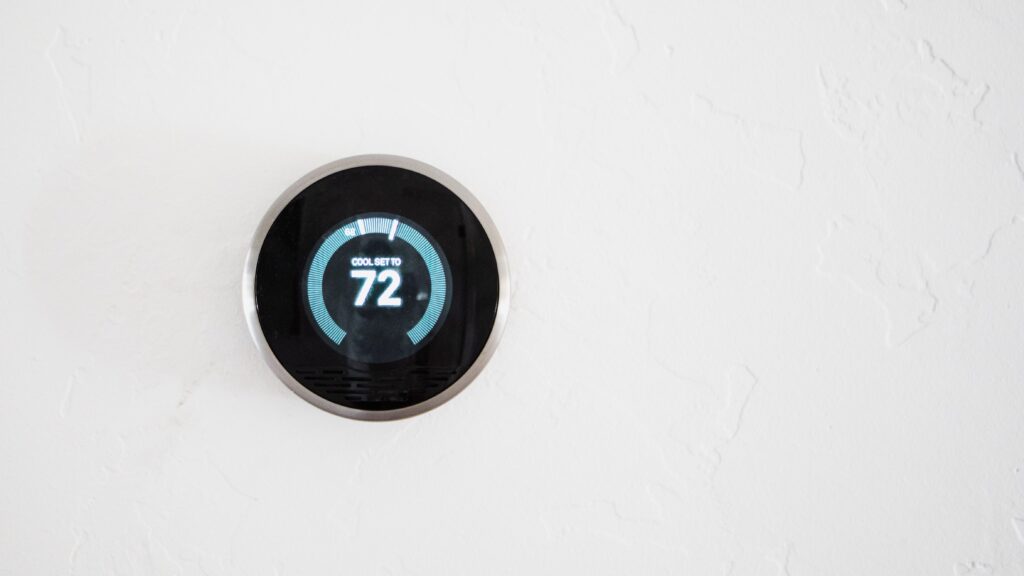
Many Orem homes utilize whole house humidifiers that are integrated into the ductwork. These systems work alongside your furnace to add a controlled amount of moisture to the air as it is distributed. This not only makes the house feel warmer but also protects your wood floors and furniture from cracking and reduces the static electricity that is so common in Utah winters. If you don’t have a whole house system, even small room humidifiers in the areas where you spend the most time can make a noticeable difference in your perceived comfort level.
It is important to find the right balance, however. If you add too much humidity, you may notice condensation forming on the inside of your windows, which can lead to mold growth or damage to your window frames. Most smart thermostats now have built in humidity sensors that can help you monitor these levels. Keeping your indoor air at the right humidity is a subtle but highly effective way to stay warm while keeping your heating bills under control.
Finding the best temperature settings for your Orem home this winter is an ongoing process of adjustment and observation. By aiming for sixty eight degrees during the day, sixty to sixty four degrees at night, and maintaining a safe minimum of fifty five degrees while you are away, you can effectively manage your comfort and your costs. These strategies, combined with the use of a smart thermostat and proper humidity control, will ensure that your home remains a warm sanctuary no matter how harsh the Utah weather becomes.
If you find that your home feels cold even when the thermostat is set correctly, or if your energy bills are unusually high, there may be an underlying issue with your furnace’s efficiency or your home’s insulation. The team at Vortex Air is here to help our neighbors in Orem with everything from routine furnace tune ups to the installation of high efficiency heating systems. Taking a proactive approach to your home’s climate now will pay dividends in comfort and savings all winter long.