Common Furnace Problems and How to Avoid Them
When the cold winds of an Orem, Utah winter begin to blow, a powerful and reliable furnace is the most essential appliance in your home. It is the heart of your family’s comfort and safety, a silent workhorse that you depend on to provide consistent warmth through the coldest months of the year. The last thing any homeowner wants to experience is a sudden furnace failure on a frigid night. While some breakdowns are unavoidable, the vast majority of common furnace problems are the direct result of neglected maintenance and can be easily prevented with a proactive approach.
Understanding the most frequent issues that can plague a heating system is the first step toward avoiding them. A furnace that fails to heat properly can lead to more than just discomfort; it can also result in a significant increase in your energy costs and, in some cases, can even pose serious safety concerns for your family. At Vortex Air HVAC, we believe in empowering our customers with the knowledge to protect their home comfort investment. This guide will explore the most common furnace problems we encounter in the field and explain how you can avoid them.
Dirty or Clogged Air Filters
The single most frequent cause of furnace problems, and also the most easily preventable, is a dirty or clogged air filter. Your furnace is part of a forced-air system, which means it requires a constant and unrestricted flow of air to heat and circulate throughout your home. The air filter’s job is to protect the sensitive internal components of your furnace, like the blower motor and the heat exchanger, from being coated in damaging dust and debris. When this filter becomes saturated with contaminants, it can no longer allow enough air to pass through, effectively suffocating the entire system.
This severe restriction of airflow can set off a chain reaction of problems. The most common consequence is that it can cause your furnace’s heat exchanger to get dangerously hot. As a safety precaution, all modern furnaces are equipped with a high-limit switch that will shut the entire unit down if it detects that the internal temperature has become too high. This is a protective measure to prevent a fire hazard and to avoid cracking the heat exchanger, but it will leave your family in the cold until the underlying airflow problem is resolved.
Even before it causes a complete shutdown, a clogged filter forces your system’s blower motor to work much harder and run for longer periods to try and push air through the blockage. This constant strain leads to a significant increase in your electricity consumption, which will be reflected in higher monthly utility bills. It can also cause the blower motor to overheat and fail prematurely, turning a simple and inexpensive maintenance task into a costly professional repair. The clear and simple solution is to perform a visual check of your filter every month during the heating season and to replace it at least once every three months.
A Malfunctioning Thermostat
Your home’s thermostat is the brain of your entire heating system. It is the command center that senses the temperature in your home and sends the critical signals that tell your furnace when to turn on, how long to run, and when to shut off. If the thermostat is malfunctioning or if its settings are incorrect, your furnace will not operate as it should, regardless of how healthy its mechanical components are. A problem with the thermostat can often mimic the symptoms of a much more serious furnace failure, which is why it is always the first place a homeowner should check.
Many common thermostat problems are simple issues that a homeowner can easily troubleshoot and resolve themselves. If your furnace will not turn on at all and your thermostat has a digital screen, the first thing to check is the batteries, as many models require them to function. Another frequent oversight is an incorrect setting. Take a close look at the device and ensure that it is switched to the “Heat” mode and that the set temperature is at least a few degrees higher than the current room temperature in your house.

If these simple checks do not solve the problem, the issue could be more complex. The thermostat itself may be old and out of calibration, which can lead to inaccurate temperature readings and inefficient furnace operation. There could also be faulty or loose wiring between the thermostat and the furnace, or the internal sensor may have failed. The physical placement of the thermostat can also impact its performance; if it is located in a drafty hallway or on a wall that gets direct sunlight, it can get a false reading of the home’s temperature. Upgrading to a modern programmable or smart thermostat can not only resolve these issues but can also significantly improve your system’s efficiency.
Need a new thermostat? Click here to learn more!
Ignition System Failures
For a gas furnace to produce heat, it must be able to safely and reliably ignite its burners. The ignition system is a critical component, and a failure here is a very common reason for a furnace to stop working, especially at the beginning of the heating season. There are two main types of ignition systems found in residential furnaces, and both can experience problems over time.
Older furnaces often use a standing pilot light, which is a small, continuously burning flame that ignites the main burners when the thermostat calls for heat. If this pilot light goes out, either due to a strong draft or a problem with the gas supply, the furnace will not be able to produce any heat. Modern, high-efficiency furnaces use an electronic ignition system, which is more energy-efficient because it does not have a constantly burning flame. These systems typically use a hot surface ignitor, which is a small ceramic element that glows red hot to light the burners. These ignitors are somewhat fragile and can crack or fail over time.
Additionally, all modern furnaces have a flame sensor, a small metal rod that confirms a flame is present after ignition. If this sensor becomes coated with carbon buildup from the combustion process, it cannot properly detect the flame and will shut the furnace down as a critical safety precaution. Due to the direct involvement of your home’s natural gas supply, any and all repairs to the ignition system should always be handled by a qualified and licensed professional to ensure the safety of your family.
How Regular Maintenance Prevents These Problems
As you can see, the most common furnace problems are all linked to the gradual accumulation of dirt and the normal wear and tear on the system’s components. The single most effective way to prevent all of these issues from happening in the first place is to commit to a schedule of regular, professional furnace maintenance. A proactive, annual tune-up is the best investment you can make in the safety, reliability, and efficiency of your heating system.
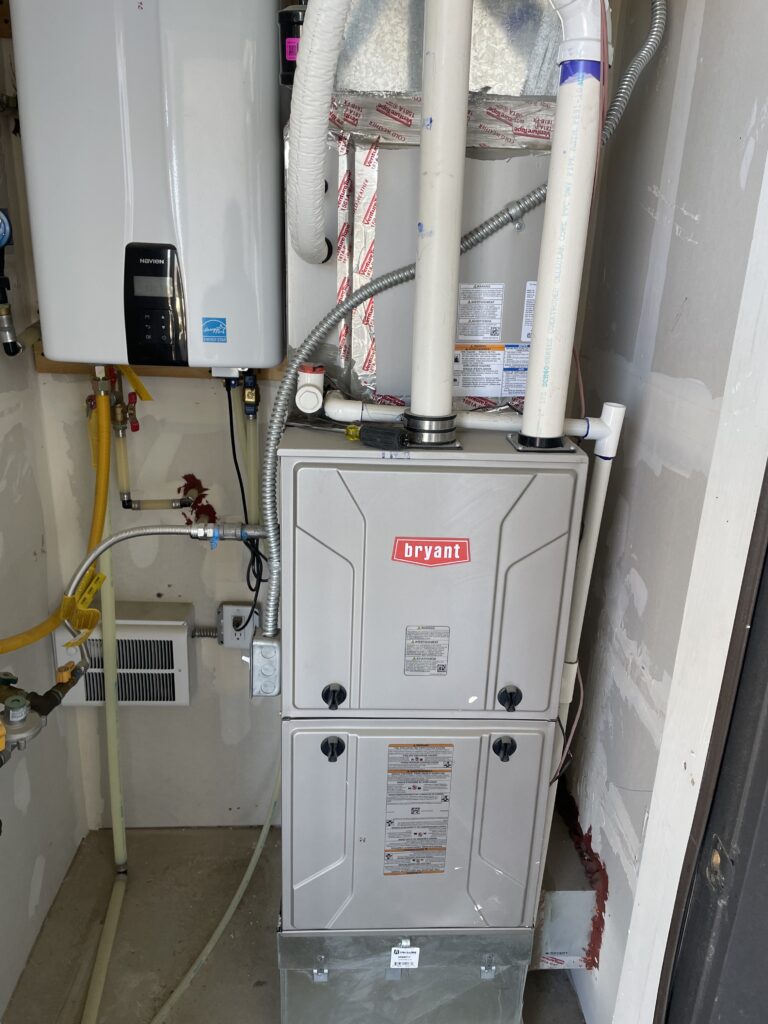


A professional maintenance visit is a comprehensive, multi-point service that is designed to address all of the common points of failure. A certified technician will replace your dirty air filter, which immediately solves the most common airflow problems. They will test your thermostat to ensure it is calibrated and communicating correctly. They will meticulously clean the furnace burners and the flame sensor, which is the best way to prevent the most common ignition system failures.
Most importantly, a professional tune-up is a critical safety check. The most essential part of the service is a thorough and detailed inspection of your furnace’s heat exchanger. Our technicians use specialized tools to check for any cracks or signs of stress that could allow dangerous carbon monoxide to leak into your home. This professional tune-up is the key to catching small, developing issues before they can escalate into a major, middle-of-the-winter breakdown, saving you money on both your energy bills and on costly emergency repairs.
Ready to schedule your ready furnace maintenance? Click here to learn more!
Your home’s furnace is an essential appliance that you rely on for your family’s safety and comfort throughout our cold Utah winters. By understanding the common problems that can affect its performance, you can take a more proactive and empowered approach to its care. While simple tasks like changing your air filter are a great start, the key to long-term reliability and peace of mind is a commitment to annual professional maintenance. A professional tune-up is the best and only way to ensure your system is operating as safely and efficiently as possible.
Do not wait for a sudden breakdown on the coldest night of the year to start thinking about the health of your furnace. The fall season is the ideal time to schedule this critical service. We encourage all homeowners in the Orem, Utah area to be proactive about their winter preparations. Contact the trusted local experts at Vortex Air HVAC today to schedule your professional furnace tune-up, and enjoy the complete peace of mind that comes from knowing your home is ready for the winter.