How Long Should a Central Air Conditioner Last
A central air conditioner is one of the biggest investments you make in your home, so knowing its lifespan helps you plan ahead. Most central air conditioning systems last between 12 and 17 years when properly maintained. Factors like climate, usage patterns, installation quality, and routine service all play a role in how long your unit will run. Homeowners in Utah deal with hot summers and dry conditions, which can put extra strain on cooling equipment. Understanding what affects your AC’s lifespan helps you protect your investment and avoid surprise breakdowns. This guide covers the average life of a central air conditioner, what shortens it, and how to extend it.
What Affects How Long a Central Air Conditioner Lasts
Several variables determine how long your central air conditioner will keep your home comfortable. The brand and model matter, but installation quality and maintenance habits often matter more. A high-end unit installed poorly will fail faster than a mid-range system installed correctly. Climate also plays a major role, since systems in hot regions run more hours per year. Refrigerant type, electrical load, and ductwork condition all influence the overall lifespan as well. Each of these factors can add or subtract years from your equipment.
Installation Quality Affects Central Air Conditioner Lifespan
A central air conditioner that is installed correctly from day one will almost always outlast one that is rushed or sized incorrectly. Proper sizing is critical; a unit that is too large will short cycle, which wears out the compressor faster. A unit that is too small will run constantly trying to cool the home, leading to overheating and early failure. Load calculations, also called Manual J calculations, help technicians determine the right tonnage for your square footage and insulation levels. Skipping this step is one of the most common reasons systems fail early. Quality installation also includes proper refrigerant charging, level mounting, and sealed ductwork.
The condenser coil placement outside your home matters more than many homeowners realize. Units placed in direct sunlight all day, or boxed in by fences and shrubs, struggle to release heat efficiently. Poor airflow around the outdoor unit forces the compressor to work harder, shortening its life. Technicians should leave at least two feet of clearance on all sides of the condenser. The pad it sits on should be level to prevent vibration damage to internal components. Drainage around the unit should also direct water away from the base.
Electrical work during installation has long-term effects on the system’s reliability. Loose connections, undersized breakers, or improper wiring can cause voltage issues that damage the compressor and fan motors. A professional installer will use a multimeter to verify voltage and amperage match the manufacturer’s specifications. They will also confirm the disconnect box is correctly rated and properly grounded. Surge protection at the unit is another smart addition, since power surges from summer storms can fry control boards. Investing in proper installation pays off through years of trouble-free operation.

Climate and Usage Patterns Affect Central Air Conditioner Lifespan
The number of hours your central air conditioner runs each year directly impacts how long it will last. Homes in Utah often run their AC heavily from late May through September, putting hundreds of hours on the system. High desert conditions bring dust, pollen, and dry air that can clog filters and coils faster than in milder climates. Temperature swings between hot days and cooler nights also cause expansion and contraction in metal components. All of this adds up to extra wear compared to systems in mild coastal areas. Knowing your local climate helps you plan service intervals.
Thermostat settings play a bigger role than most people think in equipment longevity. Setting the thermostat extremely low, like 65 degrees on a 100 degree day, forces the system to run nearly nonstop. This kind of continuous operation shortens compressor life and increases the chance of frozen evaporator coils. A more reasonable setpoint, around 72 to 76 degrees, allows the system to cycle normally. Smart thermostats can help by adjusting temperatures when you are away or asleep. Need a new thermostat? Click here for our thermostat installation service.
Home occupancy and door usage also affect runtime hours. Large families with kids going in and out all day let cooled air escape, making the system run longer. Sun exposure through unshaded windows adds heat load that the AC must remove. Poor attic insulation forces the system to overcome heat radiating down from the roof. Each of these factors increases annual runtime, which shortens the equipment’s life. Addressing insulation, window coverings, and air sealing helps reduce the load on your central air conditioner.
Maintenance Habits Affect Central Air Conditioner Lifespan
Regular maintenance is the single biggest factor in extending the life of a central air conditioner. Systems that receive annual tune-ups routinely reach the upper end of their expected lifespan. Skipping maintenance allows small problems to grow into expensive failures. Dirty coils, low refrigerant, and worn capacitors are all easy to catch during a service visit. Catching these early prevents compressor damage, which is the most expensive repair on the system. A well-maintained unit also runs more efficiently, lowering your monthly energy bills.
Air filter changes are the easiest task homeowners can handle themselves. A clogged filter restricts airflow across the evaporator coil, causing it to freeze and the system to overheat. Most filters need replacement every one to three months, depending on the type and household conditions. Homes with pets, smokers, or allergy sufferers should change filters more often. Always match the filter size and MERV rating to your system’s specifications. Cheap fiberglass filters are fine; high-MERV filters can actually restrict airflow on some older systems.
Professional maintenance covers tasks that homeowners cannot safely perform on their own. Technicians check refrigerant pressure, test electrical components, clean coils, and inspect the blower motor. They also flush the condensate drain line to prevent water damage and mold growth. Capacitors, contactors, and relays are tested and replaced before they fail completely. Want to extend the life of your AC? Click here for our air conditioning maintenance service.
Signs Your Central Air Conditioner Is Near the End of Its Lifespan
Even well-maintained central air conditioners eventually wear out, and recognizing the warning signs helps you plan a replacement before a total breakdown. Most systems give clear signals when they are approaching the end of their useful life. Rising energy bills, frequent repairs, and inconsistent cooling are common indicators. Strange noises, odd smells, and refrigerant leaks also point to an aging system. Catching these signs early lets you replace the unit on your terms rather than during a heatwave emergency.
Rising Energy Bills Signal a Central Air Conditioner Near the End
A noticeable jump in your summer electric bill is often the first sign your central air conditioner is losing efficiency. As components wear, the system has to work harder to deliver the same cooling output. Compressor inefficiency, dirty coils, and refrigerant issues all reduce SEER ratings over time. A system that was once a 13 SEER unit may effectively perform like a 9 or 10 SEER after a decade of heavy use. This translates directly to higher kilowatt-hour consumption. Comparing year-over-year bills helps reveal this slow decline.
Older systems also struggle to keep up during peak demand on the hottest days. You may notice the AC runs for hours without bringing the indoor temperature down to the setpoint. This extended runtime drives up electricity costs significantly. Modern systems with SEER2 ratings of 15 or higher can cut cooling costs by 30 to 50 percent compared to older units. The savings often help offset the cost of replacement within a few years. Utility rebates and tax credits can also reduce the upfront investment.
Refrigerant type also matters when considering an aging system. Units manufactured before 2010 typically use R-22 refrigerant, which has been phased out of production. R-22 is now extremely expensive when leaks occur, sometimes costing hundreds of dollars per pound. Newer systems use R-410A or the newer R-454B, both of which are more environmentally friendly and affordable. If your older unit develops a refrigerant leak, replacement is often more cost-effective than repair. This is especially true once the system is past 12 to 15 years old.

Frequent Repairs Signal a Central Air Conditioner Near the End
When repair bills start adding up year after year, the central air conditioner is telling you something. A good rule of thumb is the 5,000 rule: multiply the age of the unit by the repair cost, and if the number exceeds 5,000, replacement makes more sense. For example, a 14-year-old unit needing a 400 dollar repair gives you 5,600, which signals replacement. This rule helps homeowners avoid pouring money into a system that will fail again soon. Tracking your repair history makes this calculation easier.
Compressor failures are particularly telling on older units. The compressor is the heart of the system and the most expensive component to replace. Replacing a compressor on a 12-year-old unit often costs nearly as much as a new system. Other major repairs like evaporator coil leaks or condenser fan motor failures fall into the same category. When these big-ticket items fail, replacement is usually the smarter choice. New systems also come with warranties that older repairs do not.
Multiple smaller repairs in a single season also indicate end-of-life. Capacitors, contactors, and start relays failing back-to-back point to overall system wear. Once one component fails, the others are often close behind because they have all aged together. Continuing to repair these parts individually adds up quickly. A comprehensive system evaluation can help you decide whether to keep repairing or replace. Need a professional opinion? Click here for our air conditioning repair service.
Inconsistent Cooling Signals a Central Air Conditioner Near the End
Uneven temperatures throughout your home often indicate an aging central air conditioner. Some rooms may feel comfortable while others stay warm and humid no matter how long the system runs. This usually points to declining airflow, weak compressor performance, or duct issues that have worsened over time. A failing blower motor cannot push enough air through the ductwork to reach distant rooms. Low refrigerant levels also reduce the system’s ability to remove heat from the air. These problems compound as the unit ages.
Humidity control suffers as central air conditioners age. A properly functioning system removes both heat and moisture from your indoor air. As the evaporator coil ages and refrigerant charge drops, dehumidification becomes less effective. You may notice sticky, clammy air even when the thermostat reads a cool temperature. High indoor humidity also encourages mold growth and dust mite populations. This affects both comfort and indoor air quality.
Short cycling is another red flag for an aging unit. This is when the system turns on, runs for just a few minutes, then shuts off repeatedly. Short cycling wears out the compressor and fails to properly cool or dehumidify the home. It can be caused by oversized equipment, refrigerant issues, or failing controls. On older systems, the underlying cause is often expensive to fix. Replacement frequently provides better long-term value than chasing repairs on a tired unit.
Why You Need a Trusted HVAC Company for Your Central Air Conditioner
Protecting your investment in a central air conditioner requires working with technicians who know the equipment inside and out. From annual maintenance to eventual replacement, the company you choose makes a real difference. Skilled technicians spot problems early, recommend the right repairs, and install replacement systems correctly. They also stand behind their work with warranties and ongoing support. Choosing the right HVAC partner protects both your comfort and your wallet for years to come.
Professional Central Air Conditioner Maintenance Extends System Lifespan
Annual tune-ups from a licensed HVAC company are the best way to maximize the life of your central air conditioner. Technicians follow detailed checklists covering refrigerant levels, electrical connections, coil cleaning, and airflow testing. Each item on the list addresses a potential failure point before it causes a breakdown. Catching a weak capacitor in spring is far cheaper than emergency compressor replacement in July. Maintenance also keeps your manufacturer’s warranty valid, since most warranties require documented annual service.
Spring is the ideal time to schedule central air conditioner maintenance in Utah. Getting the system serviced before the first heatwave ensures it is ready when you need it most. Technicians can test the system under load conditions and catch issues that only appear during heavy use. Early-season appointments also tend to have more scheduling flexibility. Waiting until July often means longer wait times and emergency service rates. Planning ahead saves money and stress.
Professional maintenance also includes airflow optimization throughout your home. Technicians check return air vents, supply registers, and ductwork for restrictions. They verify the blower motor is spinning at the correct speed and the evaporator coil is clean. Proper airflow is essential for both comfort and efficiency. Restricted airflow causes coils to freeze, compressors to overheat, and energy bills to climb.
Trusted Central Air Conditioner Installation Sets the Stage for Long Life
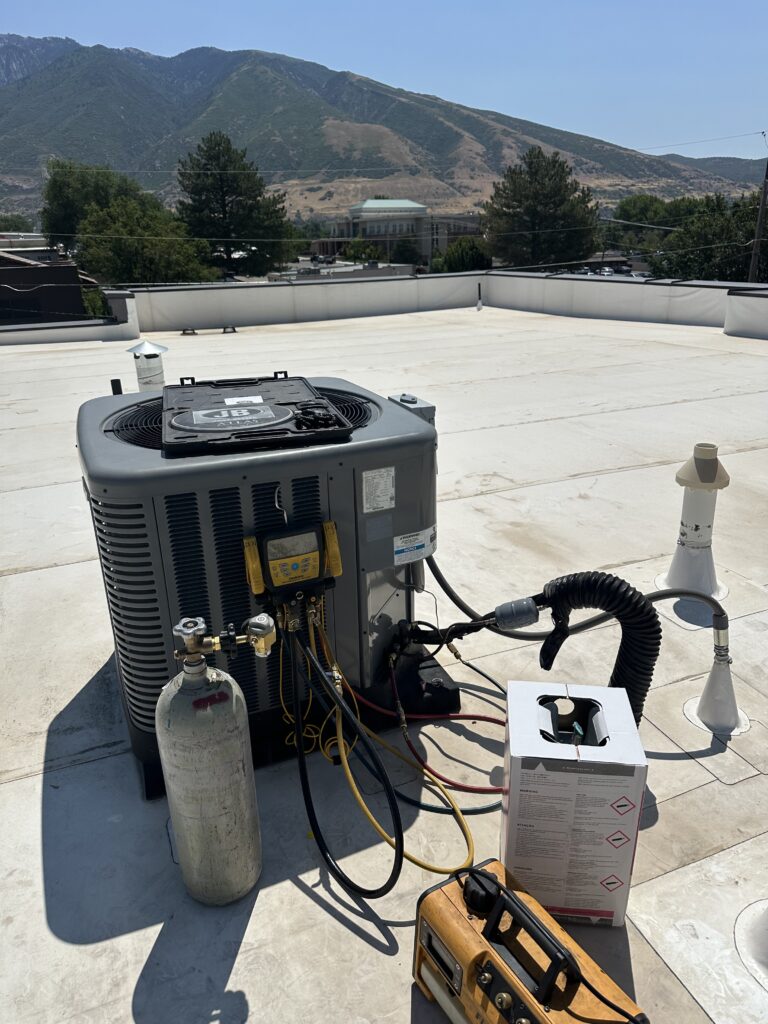
When the time comes to replace your central air conditioner, professional installation is critical. A new high-efficiency system can easily last 15 to 20 years when installed correctly. Cutting corners on installation can shave years off that lifespan, no matter how good the equipment is. Licensed technicians perform proper load calculations, install matched coil and condenser sets, and verify refrigerant charge with gauges. They also test airflow, check static pressure, and balance the system to your home.
Choosing the right size and efficiency rating is part of professional installation. Bigger is not always better when it comes to central air conditioners. An oversized unit will short cycle, leaving your home humid and uncomfortable. The right size unit runs in longer, steady cycles that dehumidify properly and last longer. SEER2 ratings should be matched to your climate, home size, and budget. A professional consultation helps you weigh upfront cost against long-term energy savings.
New installations should include ductwork inspection and necessary upgrades. Leaky or undersized ducts can rob a new system of 20 to 30 percent of its capacity. Sealing duct joints and adding insulation in unconditioned spaces makes the new system perform as intended. Ready for a new AC system? Click here for our air conditioning installation service.
Why Choose Vortex Air HVAC for Your Central Air Conditioner
Vortex Air HVAC is a locally owned and operated company serving Orem, Provo, Lehi, and the surrounding Utah Valley communities. Our licensed and certified technicians bring years of experience to every job, from routine maintenance to full system replacement. We treat every home like our own, taking time to explain options and recommend the right solution for your needs. Honesty and quality workmanship guide every service call we make.
We offer 24/7 emergency service because cooling problems do not always happen during business hours. Our technicians arrive in fully stocked trucks, ready to diagnose and repair most issues on the first visit. We work on all major brands and stand behind our repairs with solid warranties. Whether you need a tune-up, repair, or new installation, we deliver prompt, professional service every time.
Energy-efficient HVAC upgrades are one of our specialties, helping homeowners lower their utility bills while improving comfort. We carry trusted equipment lines and match each system to the home for maximum performance. Call us at (801) 400-2422 or stop by our office at 776 W 165 S, Orem, UT 84058 to learn more. You can also reach us at info@vortexairhvac.com. Vortex Air HVAC is your trusted partner for keeping your central air conditioner running strong for years to come.