
How a Dirty Condenser Coil Wrecks Your Cooling Performance
Your air conditioner spends every summer afternoon moving heat out of your home and dumping it outside, and the condenser coil is the part that finishes that job. This coil lives inside the outdoor unit, and refrigerant flows through it after it has absorbed heat from the air inside your house. As outdoor air passes over the coil fins, that captured heat releases into the atmosphere and the refrigerant cools back down for another cycle. When the coil is clean, this heat exchange happens fast and your system cools efficiently. When the coil is coated in dust, grass clippings, pollen, and grime, the heat has nowhere to go. The result is longer run times, higher power bills, weaker airflow at your vents, and a compressor that slowly cooks itself. Most homeowners in Orem and across Utah County never look at this coil until something breaks. Understanding how a dirty condenser coil quietly destroys cooling performance helps you catch the problem before it turns into an expensive repair.
What a Dirty Condenser Coil Does to Your Cooling Performance
A dirty condenser coil acts like a blanket wrapped around the one part of your system that needs to breathe. Heat transfer depends on direct contact between the metal fins and the surrounding air, so even a thin layer of debris blocks that exchange. As the coil loses its ability to shed heat, refrigerant pressure on the high side of the system climbs well above normal. That rising pressure forces the compressor to strain against resistance it was never designed to fight all day. Cooling capacity falls, the air from your registers feels lukewarm, and the system runs far longer to reach the temperature on your thermostat. Left alone, this single dirty part drags down the efficiency of the entire cooling cycle.

How a Dirty Condenser Coil Lowers Your Cooling Performance Through Poor Heat Transfer
Heat transfer is the entire purpose of the condenser coil, and a layer of dirt sabotages it directly. The aluminum fins on the coil are designed to maximize surface area so outdoor air can carry heat away from the refrigerant quickly. When dust, cottonwood seeds, and lawn debris pack into the gaps between those fins, air can no longer flow freely across the metal. The refrigerant inside the coil stays hot because it cannot release its heat load. A system in this condition will keep cycling without ever satisfying the thermostat, which feels like the air conditioner is running but not cooling. You may notice the house staying warm in the late afternoon when outdoor temperatures peak. This is one of the most common cooling complaints we see during Utah summers, and the cause is often nothing more than a filthy coil that no one cleaned.
The longer the coil stays dirty, the worse the heat transfer problem becomes through a slow buildup most people never notice. A coil rarely fails overnight; it collects debris season after season until performance drops below a level you can ignore. Early on the system simply runs a few minutes longer than it used to, which is easy to dismiss. As the buildup thickens, run times stretch out and the temperature difference between the supply and return air shrinks. A healthy system usually drops the air temperature by around eighteen to twenty degrees as it passes through the equipment. A coil choked with grime cuts that split down sharply, so the air feels weak even when the blower is working fine. Regular cleaning is the only way to keep heat transfer near its designed performance.
Poor heat transfer also forces your home to fight the outdoor heat on uneven terms throughout the cooling season. On a mild seventy five degree day a dirty coil might still keep up because the heat load is light. On a ninety five degree afternoon the same coil falls behind fast and the house climbs degree by degree. This is exactly when families notice their air conditioner cannot win, and it always seems to happen during the hottest stretch of the year. A clean coil gives the system the breathing room it needs to handle peak heat. If your cooling already feels weak on hot days, scheduling air conditioning maintenance is the smartest first step. Click here for our air conditioning maintenance service and let our technicians restore the heat transfer your coil has lost.
How a Dirty Condenser Coil Hurts Your Cooling Performance by Raising System Pressure
When the condenser cannot release heat, refrigerant pressure on the high side of the system climbs into dangerous territory. The compressor pumps refrigerant into the coil expecting that heat to escape into the outdoor air. A dirty coil traps that heat, so the pressure inside the coil rises far above its normal operating range. High head pressure makes the compressor labor against resistance, which spikes electrical draw and generates extra internal heat. Over time this elevated pressure stresses every component connected to the refrigerant loop. Gauges connected by a trained technician will show these abnormal readings almost immediately, which is why a pressure check is part of any real diagnostic visit.
Rising system pressure does not stay contained to the outdoor unit; it ripples through the whole machine and shortens its life. The compressor motor pulls more amperage as it strains, which heats up the windings and accelerates wear on the internal valves. Refrigerant that should arrive at the indoor coil cool and ready to absorb heat instead arrives warm and inefficient. The capillary tubes, expansion valve, and other metering parts all operate outside their intended range. Your home receives weaker cooling while the equipment consumes more energy to deliver it. This combination of high stress and low output is the worst possible state for an air conditioner, and a dirty coil is one of the leading causes.
High pressure conditions can also trigger safety controls that shut the system down without warning. Many modern air conditioners include a high pressure switch that cuts power to the compressor when readings climb too high. Homeowners often interpret this safety trip as a total system failure when the real culprit is a coil that needs cleaning. The system may restart after it cools, then trip again as soon as pressure rebuilds, leaving you with cooling that comes and goes. Repeated tripping is hard on the contactor and compressor and signals a problem that needs professional attention. If your air conditioner keeps shutting itself off on hot days, our air conditioning repair team can find the cause fast. Click here for our air conditioning repair service before the strain turns into a failed compressor.
How a Dirty Condenser Coil Drains Your Cooling Performance and Drives Up Energy Bills
A dirty condenser coil is one of the most expensive problems a homeowner never sees on a bill. The Department of Energy notes that dirty coils can increase air conditioner energy consumption significantly because the system runs far longer to deliver the same cooling. Every extra minute of run time pulls more electricity through the compressor and the outdoor fan. During a Utah summer those minutes add up across hundreds of cycles each month. Families often blame their power company for a high July statement when the true cause sits outside next to the patio. The math is simple; a system that should run twenty minutes per cycle now runs thirty five, and you pay for the difference.
Wasted energy from a dirty coil compounds in two directions at once, which makes the cost climb faster than people expect. First, the longer run times directly increase how much electricity the unit consumes. Second, the higher head pressure forces the compressor to draw more amperage during every one of those extended cycles. So you pay more per minute and you run for more minutes, and both numbers move the wrong way together. A system in this state can easily push a summer power bill far higher than a clean unit would. The frustrating part is that the home still feels warm despite the rising cost, so you are paying more for less comfort.
Cleaning the condenser coil is one of the cheapest ways to recover lost efficiency and lower your cooling costs. A professional cleaning restores the coil surface so heat transfers freely and the compressor returns to its normal workload. Run times shorten, amperage drops back to spec, and the temperature split across the equipment widens to a healthy range. Most homeowners notice cooler air and quieter operation almost immediately after a thorough service. The savings on the next power bill often cover a meaningful share of the maintenance cost. A clean coil is not a luxury; it is basic upkeep that protects both your comfort and your wallet through the hottest months.
Common Causes of a Dirty Condenser Coil and Warning Signs to Watch
Condenser coils get dirty because the outdoor unit sits in the middle of everything your yard throws at it. Grass clippings from the mower, cottonwood seeds in early summer, pollen, pet hair, dust, and falling leaves all settle into the fins over time. Plants growing too close to the unit choke off airflow and trap moisture against the metal. Knowing what causes the buildup and which warning signs to watch helps you act before performance collapses. Most of these symptoms show up gradually, so a sharp eye catches them while the fix is still cheap. The earlier you spot a dirty coil, the easier it is to protect your compressor and your comfort.
Common Causes of a Dirty Condenser Coil Around Your Outdoor Unit
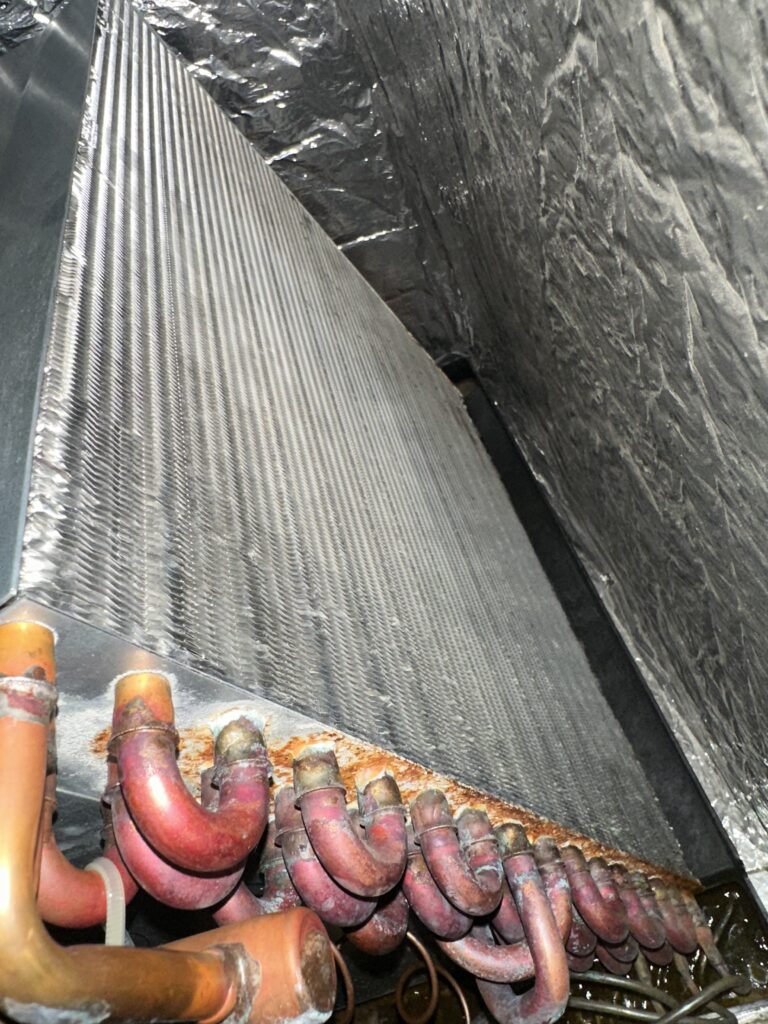
Yard maintenance is one of the biggest contributors to a dirty condenser coil, even though it seems harmless. Every time someone mows the lawn, fine grass clippings blow toward the outdoor unit and lodge in the coil fins. Cottonwood trees are especially brutal in Utah, releasing fluffy seeds that mat against the coil like felt during late spring and early summer. Dandelion fluff, pollen, and dust ride the wind and settle into the same gaps. Pet hair adds to the problem in homes with dogs or cats that spend time outside near the unit. All of this organic material packs together and forms a dense layer that blocks airflow within a single season.
Landscaping choices around the unit make the buildup faster and harder to avoid. Shrubs, ornamental grasses, and flower beds planted too close to the condenser drop leaves and petals straight into the cabinet. Plants that hug the unit also restrict the airflow the fan needs to pull through the coil. Mulch and soil splash up during heavy rain or sprinkler cycles and cling to the lower fins. Vines that climb the cabinet can wrap directly into the coil and trap debris against the metal. Keeping at least two feet of clear space on all sides of the unit dramatically slows how quickly the coil fouls. Good clearance also gives technicians room to service the equipment safely.
Construction dust and ordinary household activity feed the coil more debris than most people realize. Remodeling projects, gravel driveways, and nearby dirt lots send fine particles drifting onto the unit for weeks at a time. Dryer vents that exhaust near the outdoor unit blow lint directly into the fins, which is a problem we see often during inspections. Wind carries road dust and farm dust across the valley and deposits a fine film on every outdoor surface. Even a tidy yard collects enough airborne grit over a summer to noticeably reduce coil performance. The combination of natural debris and human activity means almost every coil needs cleaning at least once a year. Regular service keeps these everyday sources from snowballing into a major efficiency loss.
Warning Signs Your Dirty Condenser Coil Is Hurting Cooling Performance
The first warning sign of a dirty condenser coil is usually cooling that feels weaker than it should. Air from the vents turns lukewarm on hot afternoons even though the system is clearly running. The house takes much longer to reach the thermostat setting, and some rooms never get comfortable at all. You might find yourself dropping the thermostat lower and lower trying to force cooler air. This pattern points to a system that cannot reject heat properly, and a dirty coil is a leading suspect. Catching this symptom early gives you time to clean the coil before the compressor takes damage.
Rising energy bills with no change in your habits are another clear red flag worth watching. If your power usage jumps from one summer to the next while your thermostat settings stay the same, the equipment is working harder for the same result. Longer run times and higher amperage draw both show up directly on your monthly statement. Many homeowners notice the outdoor unit running nearly nonstop on hot days instead of cycling on and off. A unit that almost never shuts off is struggling to keep up, often because the coil cannot shed heat fast enough. Comparing this year’s bills to last year’s gives you a useful baseline for spotting the problem.
Unusual sounds and physical signs at the unit round out the warning list you should know. A compressor under high pressure stress often runs louder or develops a strained hum you did not hear before. You may see the coil fins visibly packed with grass, fluff, or grime when you look closely at the cabinet. Warm air should blow out the top of the unit during operation, and weak or barely warm exhaust can signal poor heat rejection. Ice forming on the refrigerant lines is another symptom that sometimes traces back to airflow and heat transfer problems. Any of these signs is worth a professional look before the system fails outright. Our technicians check the coil, pressures, and airflow as part of a complete diagnostic so nothing gets missed.
Why You Need Professional Condenser Coil Cleaning and AC Maintenance
A clean condenser coil is the foundation of efficient, reliable cooling, and professional maintenance is the surest way to keep it that way. Coil cleaning looks simple from the outside, but doing it correctly takes the right tools, the right cleaners, and an understanding of how delicate the fins really are. A trained technician cleans the coil safely while also checking refrigerant pressures, electrical components, and airflow in the same visit. This complete approach catches small problems before they grow into breakdowns during the hottest week of the year. For homeowners across Orem and Utah County, regular professional service is the cheapest insurance against a summer cooling failure.
Why You Need Professional Condenser Coil Cleaning Instead of a Quick Rinse
Many homeowners try to rinse the coil with a garden hose and assume the job is done, but a surface rinse rarely solves the problem. Debris packs deep into the fins where light water pressure cannot reach, so the buildup that matters most stays in place. The aluminum fins bend with almost no force, and a careless spray or a pressure washer can flatten them permanently. Bent fins block airflow just as badly as dirt, which means a sloppy cleaning can leave the coil worse than before. Professional cleaning uses proper coil cleaners and controlled technique to lift debris out without damaging the metal. The difference in results is dramatic and shows up in both cooling and efficiency.
A professional cleaning also reaches the parts of the coil a homeowner cannot safely access. The inner surface of the coil often holds the heaviest buildup, and reaching it requires opening the cabinet correctly. Our technicians know how to access the coil without disturbing the refrigerant lines or electrical connections inside. We apply the right cleaner for the type of grime present, then rinse it through in the correct direction to clear the fins fully. This thorough process restores the coil far closer to its original performance than any quick rinse can manage. The system runs cooler, quieter, and cheaper as a direct result.
Scheduling professional coil cleaning as part of regular maintenance protects your investment for the long term. An air conditioner is one of the most expensive systems in your home, and the compressor is the costliest part to replace. Keeping the coil clean removes the single biggest source of compressor strain and extends the life of the equipment. Routine air conditioning maintenance bundles coil cleaning with a full system check for the best value. Click here for our air conditioning maintenance service and keep your cooling strong all summer. One yearly visit costs far less than a single emergency repair in July.

Why You Need Professional AC Maintenance to Protect Cooling Performance
Coil cleaning is only one part of a complete maintenance visit that protects your entire cooling system. During service our technicians check refrigerant charge, since a system low on refrigerant cools poorly and stresses the compressor. We inspect the contactor, capacitor, and wiring for wear that could leave you stranded on a hot day. The blower, filter, and indoor coil all get attention because airflow problems compound any heat transfer issue outside. Catching a weak capacitor or a clogged filter during a routine visit prevents a far more expensive failure later. This whole system approach keeps every part of the cooling cycle working together.
Regular maintenance also gives you a documented baseline for how your system should perform. When a technician records pressures, temperatures, and electrical readings each year, any change stands out immediately. A pressure that crept up since last summer tells us the coil is fouling again or another issue is developing. These early signals let us fix small problems on our schedule instead of yours during a breakdown. Consistent records also help protect manufacturer warranties, which often require proof of regular maintenance. Documented care turns guesswork into a clear picture of your equipment’s health.
Maintenance pays for itself through lower bills, fewer repairs, and longer equipment life. A well maintained air conditioner uses less electricity, cools more evenly, and runs years longer than a neglected one. The cost of a yearly visit is small compared to the price of a new compressor or a full system replacement. Families who maintain their systems also avoid the misery of losing cooling during a heat wave when every contractor is booked solid. Peace of mind through the summer is worth a great deal in the Utah heat. Investing in regular service is simply the smart way to own an air conditioner.
Why Choose Vortex Air HVAC for Your Condenser Coil Cleaning and Cooling Needs
Vortex Air HVAC is a locally owned and operated company serving Orem and the surrounding communities with honest, reliable service. Our technicians are licensed and certified, so the people working on your equipment know the trade inside and out. We treat coil cleaning and maintenance as the skilled work it really is, not a rushed afterthought. Every visit includes a careful inspection so you understand exactly what your system needs and why. We believe in clear communication and fair pricing, and we never push repairs you do not need. That commitment to integrity is the core of how we do business.
We serve both residential and commercial customers across Utah County, from Orem and Provo to Lehi, Spanish Fork, and beyond. Our team handles everything from a single home air conditioner to complex commercial cooling systems. When your cooling fails at the worst possible moment, our 24/7 emergency service means help is only a call away. We also focus on energy efficient upgrades that lower your bills and improve comfort over the long run. Local roots mean we understand the specific challenges of cooling a home through a Utah summer. You are not a number to us; you are a neighbor.
Choosing Vortex Air HVAC means choosing a partner who cares about keeping your system running for years to come. We back our work with prompt, professional service you can rely on through every season. Call us at (801) 400-2422 or email info@vortexairhvac.com to schedule your coil cleaning or maintenance today. If you are noticing weak cooling, our air conditioning repair team is ready to find and fix the cause fast. Click here for our air conditioning repair service and get your comfort back. Let our experienced team protect your cooling performance so you can enjoy a cool, comfortable home all summer long.