Why Fall Is the Best Time to Schedule a Furnace Inspection
Fall is the ideal season to schedule a furnace inspection in Utah. Temperatures drop fast along the Wasatch Front, and your heating system needs to be ready before the first cold snap hits Orem, Provo, and the surrounding communities. A furnace inspection in September or October catches worn parts, dirty burners, and safety hazards before you depend on your system every day. Waiting until winter means longer wait times, higher repair costs, and the risk of losing heat during the coldest nights of the year. Technicians have more availability in fall, so you can book an appointment that fits your schedule. Your furnace also sat idle all summer, collecting dust and moisture that can affect performance. A professional furnace inspection restores efficiency and confirms the system is safe to run. This article explains what a fall furnace inspection includes, how it saves you money, and why booking early protects your home all winter.
What Happens During a Professional Fall Furnace Inspection
A professional furnace inspection is a complete evaluation of your heating system, not a quick glance at the equipment. Certified technicians examine the heat exchanger, burners, ignition system, blower motor, gas connections, venting, and thermostat. Each component gets tested under real operating conditions to confirm it performs the way the manufacturer intended. The technician also checks for carbon monoxide leaks, gas leaks, and electrical faults that put your household at risk. Airflow gets measured, filters get evaluated, and safety controls get verified. The result is a clear report on the health of your furnace before winter arrives. Need a full tune up along with your inspection? Click here for our furnace maintenance service.
The Furnace Inspection Safety Checklist for Heat Exchangers and Carbon Monoxide
The heat exchanger is the most important safety component checked during a furnace inspection. This metal chamber separates the combustion process from the air that circulates through your home. Over years of heating and cooling cycles, the metal expands and contracts thousands of times, which can eventually cause cracks or corrosion. A cracked heat exchanger allows carbon monoxide to leak into your living space, and carbon monoxide is odorless, colorless, and deadly. Technicians use inspection cameras, combustion analyzers, and visual testing to find cracks that homeowners would never notice. Fall is the right time for this check because the furnace sat unused for months, and hidden damage often reveals itself on the first startup. Catching a compromised heat exchanger early protects your family before the heating season begins. No safety check matters more than this one.
Carbon monoxide testing goes beyond the heat exchanger during a thorough furnace inspection. Technicians measure carbon monoxide levels in the flue gases to confirm the furnace is burning fuel completely. Incomplete combustion produces excess carbon monoxide and wastes natural gas at the same time. The inspector also verifies that the venting system carries exhaust gases safely out of the home. Blocked flues, disconnected vent pipes, and corroded chimney liners all create backdraft risks that push combustion gases indoors. Birds, leaves, and debris often block vents during summer months when the furnace is off. A fall furnace inspection clears these hazards before the system runs around the clock. Utah winters demand weeks of continuous furnace operation, so venting must be perfect.
Gas line connections receive careful attention on every furnace inspection safety checklist. Technicians test fittings, valves, and supply lines for leaks using electronic detectors and approved leak solutions. Even a small gas leak wastes fuel and creates a fire hazard inside your home. The inspector confirms the gas shutoff valve operates correctly in case of an emergency. Flexible connectors get examined for kinks, corrosion, and age related wear. Older homes in Utah County sometimes have outdated connectors that no longer meet code. Suspect a problem with your gas supply? Click here for our gas line repair service. Addressing gas issues in fall keeps your winter heating safe and worry free.
How a Furnace Inspection Tests Ignition, Flame Sensors, and Gas Pressure
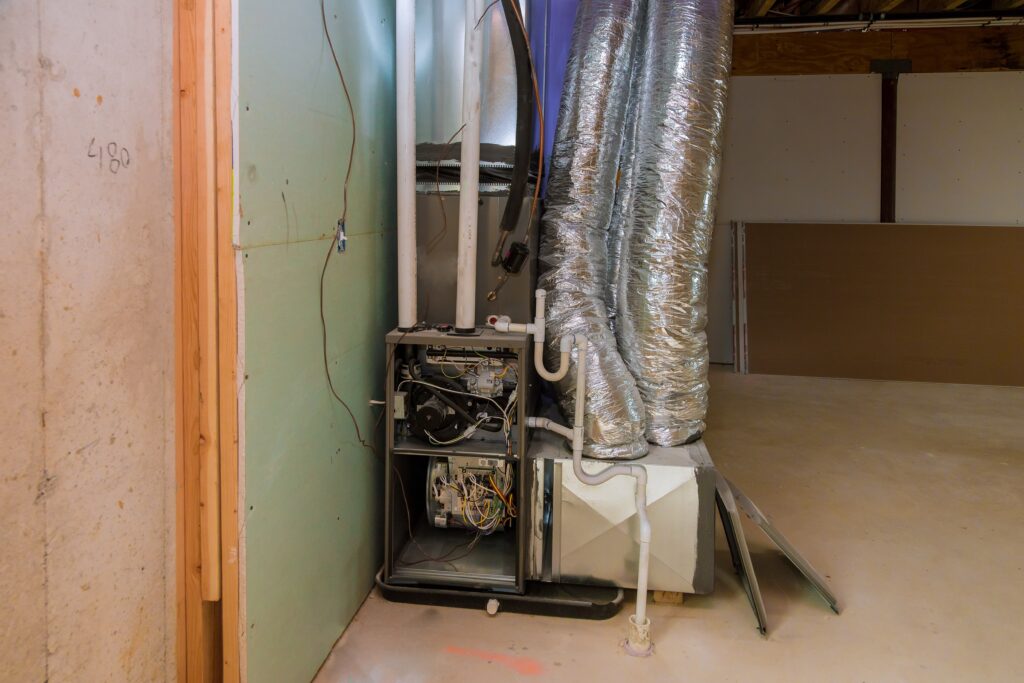
The ignition system is a leading cause of furnace failure, and a fall furnace inspection tests it thoroughly. Modern furnaces use hot surface igniters or electronic spark systems instead of standing pilot lights. Hot surface igniters are fragile ceramic components that weaken with age and often fail on the first cold morning of the season. Technicians measure igniter resistance to predict failure before it leaves you without heat. Spark igniters get checked for proper gap and consistent arcing. Older furnaces with pilot lights get evaluated for stable flame and clean orifices. Replacing a weak igniter in October costs far less stress than an emergency call in January. Ignition testing is a core reason fall inspections prevent winter breakdowns.
Flame sensor problems cause more no heat calls than almost any other furnace issue. The flame sensor is a small metal rod that confirms the burners actually lit after the gas valve opens. Carbon and oxidation build up on the sensor over time, which blocks the electrical signal it sends to the control board. When the signal fails, the furnace shuts down within seconds as a safety measure. This creates the frustrating pattern of a furnace that starts, runs briefly, and stops. During a furnace inspection, technicians clean the sensor with fine abrasive material and test the microamp signal it produces. A properly reading flame sensor means reliable heat cycle after cycle. This five minute task during a fall inspection prevents countless cold mornings.
Gas pressure and burner performance round out the combustion portion of a furnace inspection. Technicians measure manifold gas pressure with a manometer and adjust it to manufacturer specifications. Pressure that runs too high overheats the heat exchanger and shortens equipment life. Pressure that runs too low causes weak, inefficient flames and poor heat output. Burners get inspected for rust, dust, and misalignment that create uneven or yellow flames. A healthy natural gas flame burns blue and steady across every burner. Dirty burners get cleaned so fuel converts to heat instead of soot. Precise combustion tuning in fall means lower gas bills all winter long.
Airflow and Blower Checks Included in Every Furnace Inspection
Airflow problems quietly destroy furnaces, which is why every furnace inspection includes detailed airflow testing. The blower motor pushes heated air through your ductwork, and it depends on clear pathways to do its job. A clogged filter restricts airflow and forces the furnace to run hotter than designed. Excessive heat trips the high limit switch, causing short cycling that wears out components fast. Restricted airflow can even crack a heat exchanger over time. Technicians measure temperature rise across the furnace to confirm airflow meets specifications. They replace or recommend filters based on your home and system needs. Proper airflow is the foundation of safe, efficient heating.
The blower motor and its related components get individual attention during a fall furnace inspection. Technicians check motor amperage draw against the rating plate to spot motors working too hard. High amperage signals failing bearings, a bad capacitor, or restricted airflow somewhere in the system. The blower wheel gets inspected for dust buildup that reduces air output and throws the wheel out of balance. Capacitors get tested with a multimeter because weak capacitors cause hard starting and premature motor failure. Belt driven blowers in older furnaces get belt tension and pulley alignment checks. A quiet, properly running blower delivers even heat to every room. Catching blower issues in fall avoids a complete no heat situation in winter.
Ductwork condition directly affects how well your inspected furnace performs. Leaky ducts can waste twenty to thirty percent of the heated air your furnace produces. Technicians look for disconnected joints, crushed sections, and missing insulation in accessible duct runs. Supply and return balance gets evaluated because starved return air suffocates the furnace. Homes with rooms that never warm up usually have duct problems, not furnace problems. Fall is the perfect time to fix these issues before heating bills climb. Dusty ducts also degrade indoor air quality once the heat starts running daily. Want cleaner air this winter? Click here for our air duct cleaning service.
How a Fall Furnace Inspection Saves Money on Heating Bills and Repairs
A fall furnace inspection is one of the highest return investments a homeowner can make before winter. Small problems found in October cost a fraction of the emergency repairs they become in January. A tuned furnace also burns less fuel, and natural gas savings add up over a long Utah heating season. Clean burners, correct gas pressure, and free flowing air let the system reach set temperature faster and run shorter cycles. Inspections also protect your manufacturer warranty, since most brands require documented annual service. Equipment that gets inspected every fall routinely lasts years longer than neglected systems. The math is simple; a small inspection fee prevents large winter expenses.
A Fall Furnace Inspection Prevents Winter Breakdowns
Most winter furnace breakdowns trace back to problems that existed in the fall. Igniters were already weak, flame sensors were already dirty, and capacitors were already failing before the first freeze. The furnace simply had not been stressed enough to reveal the problem yet. Once continuous winter operation begins, marginal parts fail quickly and often at the worst possible time. Cold snaps push furnaces to run nearly nonstop, and that workload exposes every weakness. A fall furnace inspection identifies these ticking time bombs while the weather is still mild. You get to schedule repairs on your terms instead of scrambling during a freeze. Prevention always beats reaction when it comes to heating equipment.
Emergency winter repairs cost more than planned fall repairs in several ways. Demand for HVAC technicians spikes during cold snaps, and same day service becomes hard to secure. Parts for older furnaces may take days to arrive while your home sits cold. Families often resort to space heaters, which drive up electric bills and create fire risks. Frozen pipes become a real danger when a home loses heat for even one night in a Utah winter. A burst pipe can cause thousands of dollars in water damage on top of the furnace repair. One fall inspection eliminates most of these scenarios entirely. Already hearing strange noises or noticing weak heat? Click here for our furnace repair service.
Reliability matters most for households with elevated needs during winter. Homes with infants, elderly family members, or medically vulnerable residents cannot afford heating interruptions. Rental property owners face urgent obligations when tenant heat fails. Business owners lose customers and productivity when commercial spaces go cold. A documented fall furnace inspection provides real confidence that the system will perform when temperatures plunge below zero. Inspection reports also create a maintenance record that helps with insurance claims and home sales. Peace of mind through a brutal Utah winter is worth far more than the cost of the visit. Fall scheduling makes that peace of mind easy to secure.
How a Furnace Inspection Improves Energy Efficiency
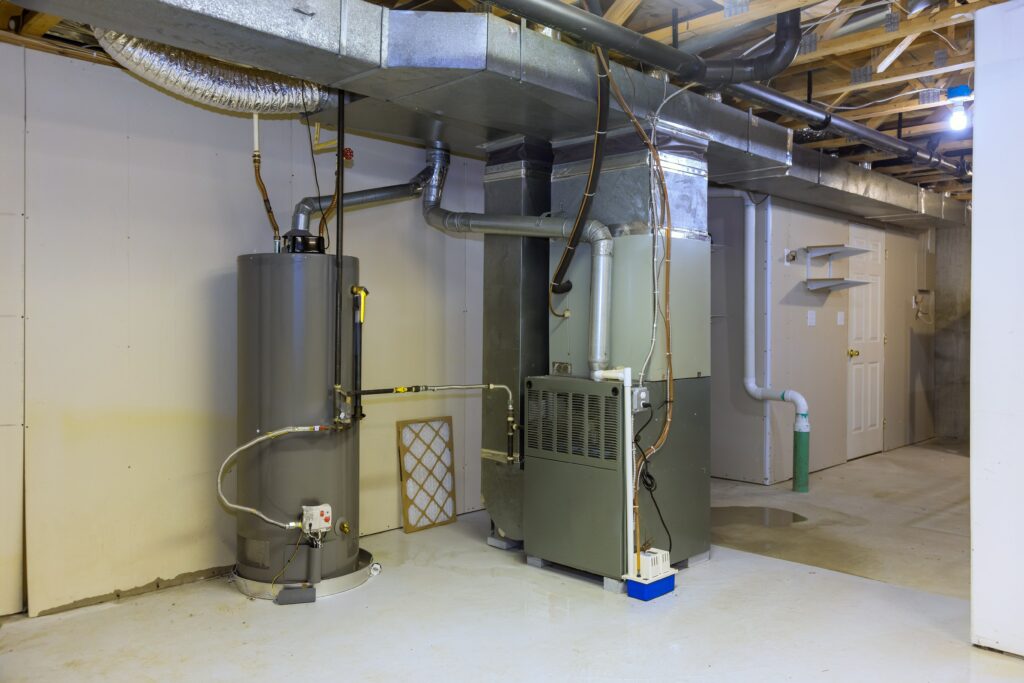
Furnace efficiency degrades gradually, and most homeowners never notice until the gas bill arrives. Dust on burners disrupts the air and fuel mixture, causing incomplete combustion that wastes energy. A dirty filter forces the blower to work harder and move less air per watt consumed. Misadjusted gas pressure sends unburned fuel or excess heat straight up the flue. Each of these issues might only cost a few percentage points of efficiency alone. Combined, they can inflate heating bills by fifteen percent or more over a full season. A fall furnace inspection reverses this drift and restores the system to peak performance. Lower bills start with the very first heating cycle.
Thermostat calibration and control checks add another layer of savings during a furnace inspection. A thermostat that reads two degrees off causes the furnace to overheat the home constantly. Technicians verify sensor accuracy and confirm the thermostat communicates properly with the furnace control board. Programmable and smart thermostats get reviewed for schedules that match your actual routine. Setting back temperatures during work hours and sleep can cut heating costs by ten percent annually. Many homeowners have smart thermostats they never fully configured. An inspection visit is the perfect opportunity to optimize those settings. Thinking about upgrading your controls? Click here for our thermostat installation service.
Efficiency findings from a fall inspection also inform smarter long term decisions. Technicians can tell you honestly where your furnace stands in its lifespan and efficiency class. Older furnaces rated at eighty percent efficiency waste twenty cents of every heating dollar. Modern condensing furnaces reach ninety five percent efficiency or higher. An inspection report showing declining performance gives you time to plan an upgrade instead of facing a forced replacement in February. Planned replacements allow you to compare equipment, review rebates, and schedule installation during mild weather. Rushed winter replacements rarely produce the best outcome. Knowledge from a fall furnace inspection puts you in control of the decision.
A Furnace Inspection Extends Furnace Lifespan and Protects Your Warranty
Furnaces are built to last fifteen to twenty years, but only with consistent care. Every heating cycle stresses the heat exchanger, motor bearings, and electrical components. Dirt and neglect accelerate that wear dramatically, and neglected furnaces often fail in ten to twelve years. A fall furnace inspection removes the stressors that shorten equipment life. Clean components run cooler, lubricated parts run smoother, and correct settings prevent overheating. The cumulative effect of annual inspections is measured in extra years of service. Replacing a furnace costs thousands of dollars, so every added year of life represents real savings. Annual fall care is the cheapest insurance a furnace can get.
Manufacturer warranties depend on documented professional maintenance more than most homeowners realize. Nearly every major furnace brand requires annual service by a qualified technician as a warranty condition. A failed heat exchanger or control board claim can be denied without maintenance records. Heat exchanger warranties often run twenty years and cover the most expensive part in the furnace. Losing that coverage over a skipped inspection is a costly mistake. Fall furnace inspections create the paper trail that keeps warranty protection intact. Vortex Air HVAC provides documentation with every inspection visit. Keep those records with your home files for the life of the system.
Component level care during inspections directly slows the aging process of your furnace. Motors with clean, tested capacitors avoid the hard starts that burn out windings. Heat exchangers protected by proper airflow avoid the thermal stress that causes cracking. Control boards last longer when electrical connections stay tight and clean. Inducer motors and pressure switches perform better when condensate drains stay clear. Each fall inspection resets these conditions before months of heavy use begin. The furnace enters winter in its best possible state every single year. That consistency is exactly how heating systems reach their full designed lifespan.
Why You Need to Book Your Furnace Inspection Before Winter Arrives
Fall scheduling is not just convenient; it is strategic. HVAC calendars fill quickly once the first cold front rolls through Utah County. Booking your furnace inspection in September or early October guarantees your system is ready before you need it. You also gain time to complete any recommended repairs while parts are available and pricing is normal. Homeowners who wait until November often find themselves at the back of a long line. Take action now and enter winter with total confidence in your heating system.
Fall Scheduling Beats the Winter Rush for Furnace Inspections
The HVAC industry follows a predictable seasonal cycle every year. Fall offers open schedules, flexible appointment times, and unhurried service visits. Once the first hard freeze arrives, emergency calls flood in and dominate every technician’s day. Inspection appointments in December can take a week or more to secure. In fall, you can often get a furnace inspection within a day or two. Early booking simply gives you better service on your terms.
Repair timelines also favor homeowners who inspect in fall. Any parts your furnace needs can be ordered and installed before cold weather hits. Supply chains for igniters, motors, and boards move faster outside the winter rush. You can compare options calmly instead of approving whatever gets heat restored fastest. Contractors can dedicate full attention to your system rather than triaging emergencies. Fall repairs are planned repairs, and planned repairs are better repairs.
There is also a comfort factor to fall scheduling that homeowners appreciate. Testing a furnace on a mild sixty degree day carries zero risk to your household. If the inspection reveals a serious problem, your family is not sitting in a cold house waiting for the fix. The system can even be shut down safely for major repairs without hardship. Winter offers no such cushion when overnight lows drop into the teens. Schedule in fall and keep that safety margin on your side.
A Furnace Inspection Keeps Your Family Safe All Heating Season
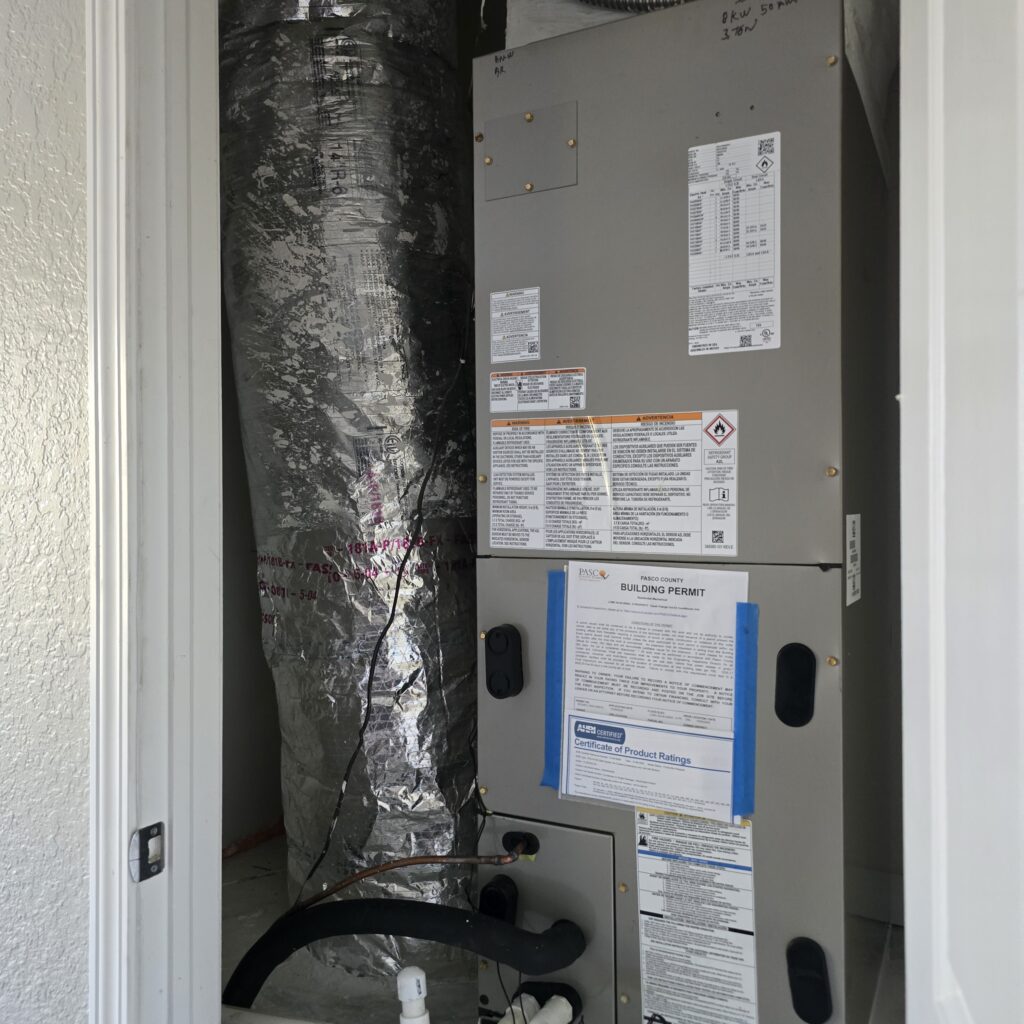
Safety is the single most important reason to schedule a fall furnace inspection. Gas furnaces combine fuel, flame, and electricity inside your home every day of winter. Properly maintained equipment manages those forces safely for decades. Neglected equipment introduces risks of carbon monoxide exposure, gas leaks, and electrical fires. Hundreds of Americans die from accidental carbon monoxide poisoning every year, and heating equipment is a leading source. One professional inspection each fall dramatically reduces these risks.
Carbon monoxide protection deserves special emphasis for Utah families. Homes stay sealed tight all winter, which means any leaked combustion gas accumulates indoors. Symptoms of low level exposure mimic the flu, so many families never suspect their furnace. A furnace inspection verifies the heat exchanger, venting, and combustion are all performing safely. Technicians also recommend carbon monoxide detector placement and check detector age. Working detectors plus an inspected furnace is the complete safety formula.
Electrical and fire safety checks complete the protective value of an inspection. Loose wiring connections generate heat and can arc inside the furnace cabinet. Technicians tighten connections, inspect wire insulation, and verify safety switches respond correctly. The high limit switch, rollout switches, and pressure switches all get functional tests. These devices exist to shut the furnace down before a dangerous condition escalates. A fall furnace inspection confirms every safety layer is ready for months of continuous operation.
Why Choose Vortex Air HVAC for Your Furnace Inspection
Vortex Air HVAC is a locally owned and operated company based in Orem, Utah. Our licensed and certified technicians perform detailed furnace inspections across Utah County and beyond. We serve Provo, Lehi, American Fork, Spanish Fork, Pleasant Grove, and surrounding communities. Local ownership means we answer to our neighbors, not a distant corporation. Our reputation is built one honest inspection at a time. That accountability shows in every visit we make.
Our team handles residential and commercial heating systems with equal expertise. We inspect furnaces, heat pumps, mini splits, and complete commercial HVAC systems. Every technician arrives trained, equipped, and ready to explain findings in plain language. We recommend only the repairs your system genuinely needs. Energy efficient upgrade options are always presented with honest math, never pressure. Prompt, professional service you can rely on is our standard.
Winter emergencies do not follow business hours, and neither do we. Vortex Air HVAC offers 24/7 emergency services for heating failures throughout the season. Customers who inspect with us in fall rarely need that emergency line, and that is the goal. Call (801) 400-2422 today to schedule your fall furnace inspection. You can also email info@vortexairhvac.com or visit us at 776 W 165 S, Orem, UT 84058. Book now and heat with confidence all winter long.