How to Transition Your HVAC System From Cooling to Heating
Utah summers push air conditioners hard, but cooler weather always arrives faster than most homeowners expect. Transitioning your HVAC system from cooling to heating is not as simple as flipping the thermostat from cool to heat. Your furnace or heat pump has been sitting idle for months, collecting dust and losing efficiency while your air conditioner did all the work. A proper seasonal transition protects your equipment, lowers your energy bills, and prevents that dreaded no heat emergency on the first cold night of the year. Small problems that hide during the off season tend to show up the moment your heating system fires up under load. The good news is that most of the transition process is straightforward when you follow a clear checklist. Some steps you can handle yourself in an afternoon; others require a licensed technician with proper tools and training. This guide covers everything you need to switch your HVAC system from cooling to heating the right way.
Steps to Transition Your HVAC System From Cooling to Heating
The transition from cooling to heating works best when you start before the first cold snap hits Utah County. Waiting until temperatures drop means you join every other homeowner calling for service at the same time, and appointment slots fill fast. A smart transition involves three core tasks: replacing your air filter, testing your thermostat, and inspecting your furnace before it runs daily. Each task takes little time but delivers real protection for your equipment. Skipping these steps leads to higher utility bills, uneven heating, and premature wear on expensive components. Your heating system represents thousands of dollars of equipment, so a few minutes of preparation is a smart investment. Homeowners who transition properly also breathe cleaner indoor air all winter long. Follow the steps below in order for the smoothest switch from cooling to heating.
Replace the Air Filter Before You Transition Your HVAC System
Your air filter worked overtime all summer while your air conditioner ran day and night. By the end of cooling season, most filters are loaded with dust, pollen, pet dander, and debris pulled from every room in your home. A clogged filter chokes airflow, which forces your furnace blower motor to work harder than it should. That extra strain raises your energy bills and shortens the life of the motor. Restricted airflow can also cause a furnace heat exchanger to overheat, which triggers safety shutdowns and repeated short cycling. Replacing the filter before you transition your HVAC system to heating is the single easiest way to protect your equipment. Most homes need a new filter every one to three months depending on pets, allergies, and household size. Buy several filters at once so you always have a replacement on hand through the winter.
Choosing the right filter matters just as much as changing it on schedule. Filters are rated by MERV, which stands for Minimum Efficiency Reporting Value. Most residential systems perform well with a MERV 8 to MERV 11 filter that balances filtration with airflow. Filters rated MERV 13 and above capture smaller particles, but some older systems struggle to pull air through the denser material. Check your furnace manual or ask a technician before upgrading to a high MERV filter. Installing a filter that is too restrictive can cause the same airflow problems as a dirty one. Always confirm the filter size printed on the frame before buying replacements. Insert the new filter with the airflow arrow pointing toward the furnace, not away from it.
While you have the filter compartment open, take a moment to inspect the area around your furnace. Clear away boxes, paint cans, and stored items within three feet of the unit; furnaces need open space for combustion air and safe operation. Look for dust buildup on the blower compartment and vacuum any loose debris you can safely reach. Check that supply and return vents throughout the home are open and unblocked by furniture or rugs. Closed vents create pressure imbalances that stress the blower and cause uneven heating from room to room. This is also a good time to test your smoke detectors and carbon monoxide alarms, since your furnace will soon burn fuel daily. Fresh batteries in these devices are cheap insurance during heating season. A clean filter combined with clear airflow paths gives your HVAC transition the best possible start.
Test Your Thermostat During the HVAC Transition From Cooling to Heating
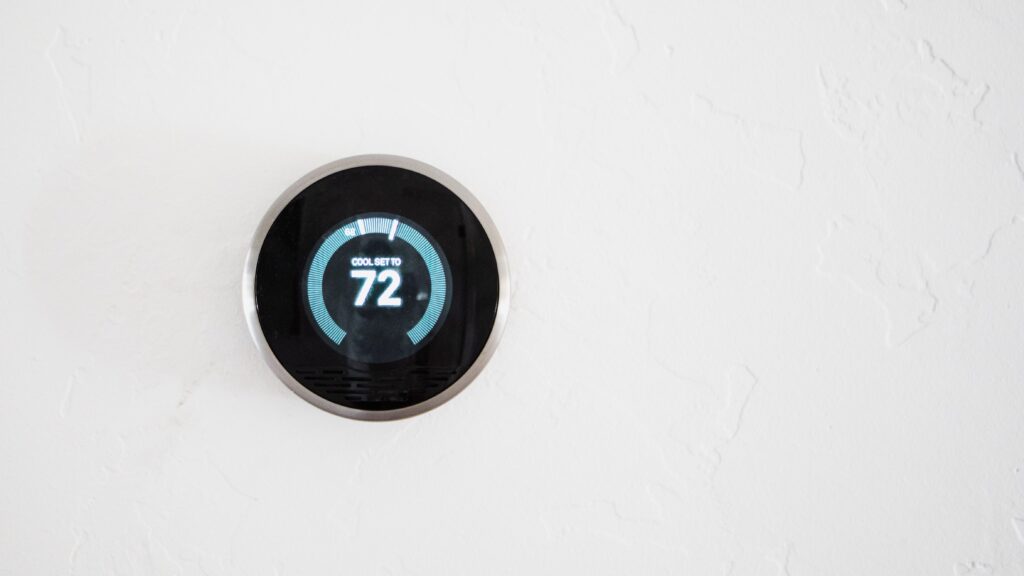
Your thermostat is the command center of your entire HVAC system, so test it before cold weather arrives. Start by switching the mode from cool to heat and raising the set temperature a few degrees above the current room temperature. You should hear the furnace ignite within a minute or two, followed by warm air flowing from your vents shortly after. If nothing happens, check the batteries first, since dead batteries cause a surprising number of no heat calls every fall. Confirm that the display is readable and that the buttons or touchscreen respond correctly. Listen for rapid on and off cycling, which can signal a thermostat placement problem or a wiring fault. A thermostat that reads five degrees off will keep your home uncomfortable no matter how well your furnace runs. Verifying accuracy now saves you from troubleshooting in the middle of a cold night.
Programmable and smart thermostats need their schedules updated during the transition from cooling to heating. Summer schedules typically set higher daytime temperatures, and running that same program in winter leaves your family cold in the morning. Reprogram your weekday and weekend schedules to match your household routine during heating season. The Department of Energy recommends setting your thermostat to 68 degrees while you are awake and lowering it while you sleep or leave the house. Each degree you lower the setting for eight hours can trim about one percent off your heating bill. Smart thermostats can automate these setbacks and learn your patterns over time. Check for firmware updates on WiFi connected models, since manufacturers often improve efficiency algorithms. If your smart thermostat lost its WiFi connection over the summer, reconnect it before you rely on remote control features.
An old or faulty thermostat can undermine even a brand new furnace. Mercury based dial thermostats from decades past lack the precision of modern digital models and waste energy through wide temperature swings. If your thermostat fails to trigger the furnace, shows a blank screen with fresh batteries, or reads temperatures inaccurately, it may need professional attention. Loose wiring behind the thermostat plate is a common culprit that homeowners should not attempt to repair without experience. Upgrading to a smart thermostat during your fall transition often pays for itself within a season or two through energy savings. Placement matters too; a thermostat mounted near a drafty window or a heat producing appliance will never read your home accurately. Having thermostat trouble during your seasonal switch? Click here for our thermostat repair service. A properly working thermostat makes every other part of the HVAC transition easier.
Inspect Your Furnace Before the HVAC Transition to Heating
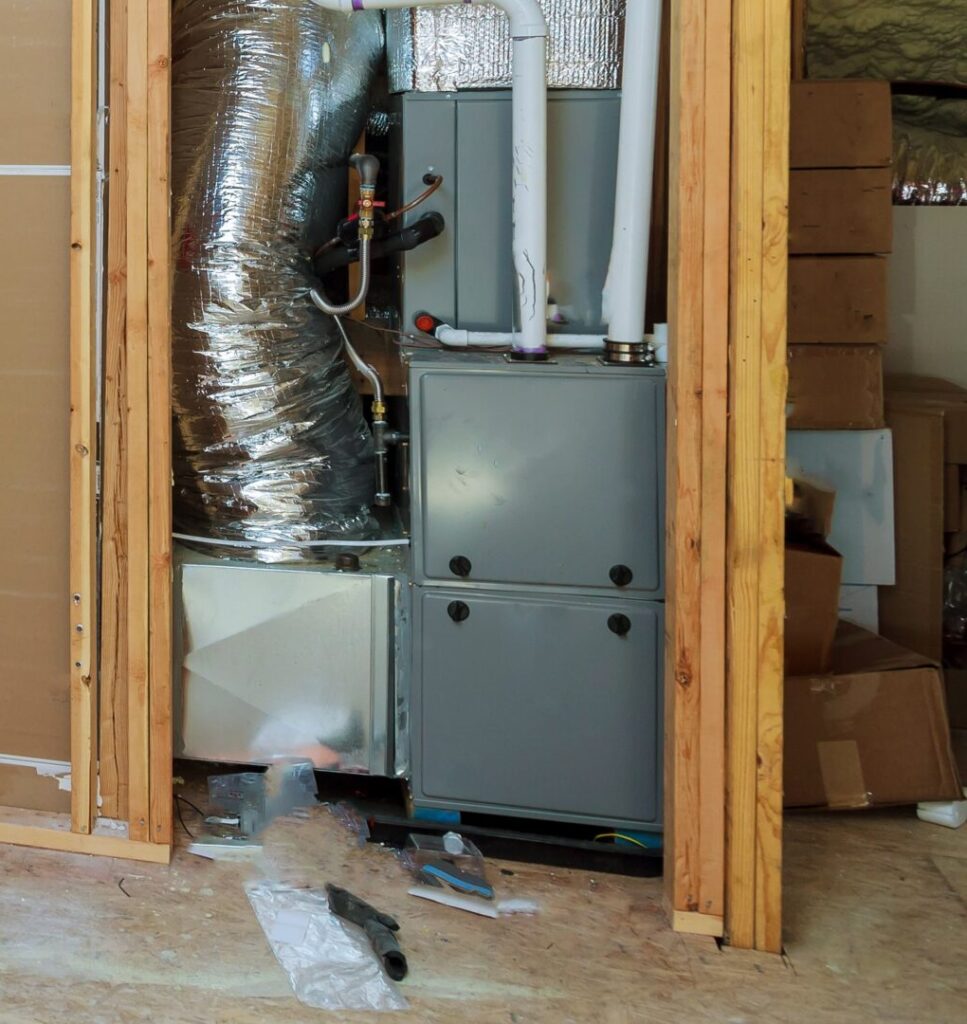
Your furnace sat dormant for months, and dormancy invites problems you cannot see from the hallway. Before daily heating begins, give the unit a careful visual inspection with the power on and a flashlight in hand. Look for rust, water stains, soot marks, or corrosion on the cabinet and around the flue pipe. Check that the exhaust vent is securely connected and free of gaps, since a compromised flue can leak carbon monoxide into your living space. Examine the area around the burner compartment for debris, spider webs, or signs of pests that moved in over the summer. Rodents and insects love warm furnace cabinets and can damage wiring or block burners. Run the furnace through a full heating cycle and watch how it starts, runs, and shuts down. Any grinding, banging, or repeated failed ignition attempts deserves professional attention before winter.
The burner flame tells you a great deal about combustion health during your furnace inspection. A healthy natural gas flame burns steady and blue with perhaps a small yellow tip. A flame that burns mostly yellow, orange, or flickers erratically indicates dirty burners or improper combustion. Poor combustion wastes fuel and produces excess carbon monoxide, which is a serious safety hazard in any home. Note that a faint burning dust smell during the first heating cycle is normal and should fade within an hour. A persistent burning odor, an electrical smell, or the scent of rotten eggs is not normal and requires immediate attention. If you ever smell gas, leave the home and call your utility company before calling for repair. These simple observations during the transition to heating can catch dangerous problems early.
Some furnace inspection tasks belong strictly to licensed technicians, and the heat exchanger is the biggest one. The heat exchanger separates combustion gases from the air circulating through your home, and cracks in it can allow carbon monoxide to enter your ductwork. Detecting hairline cracks requires specialized cameras and combustion analysis tools that homeowners do not own. Professional furnace maintenance also includes cleaning the burners, testing the ignitor, checking gas pressure, inspecting the flame sensor, and lubricating the blower motor. Technicians measure temperature rise across the system to confirm your furnace heats efficiently and safely. Annual professional maintenance keeps most manufacturer warranties valid, and skipping it can void your coverage. Ready to schedule your fall tune up? Click here for our furnace maintenance service. A professional inspection before the transition to heating is the most reliable way to guarantee a warm, safe winter.
Common Problems When You Switch Your HVAC System From Cooling to Heating
Even careful homeowners run into surprises when they switch from cooling to heating each fall. Months of inactivity allow dust to settle on components, seals to dry out, and small mechanical issues to develop unnoticed. The first heating cycles of the season put fresh stress on parts that have not moved since spring. Most transition problems fall into three categories: unusual smells, strange noises, and weak or uneven airflow. Knowing what each symptom means helps you decide what is normal, what can wait, and what needs a technician today. Ignoring early warning signs almost always turns a cheap repair into an expensive one. Utah homeowners who address these issues in early fall avoid the long wait times that come with the first hard freeze. The sections below break down the most common problems and what to do about each one.
Burning Smells After You Switch Your HVAC System to Heating
A burning smell during the first heating cycle is the most common complaint when homeowners switch from cooling to heating. In most cases the smell is simply dust burning off the heat exchanger, burners, and interior components. That dust accumulated all summer while the furnace sat idle, and the first blast of heat incinerates it. This dusty burning odor typically clears within thirty minutes to an hour of runtime. Opening a few windows speeds up the process and freshens your indoor air. You can reduce this smell dramatically by vacuuming around the furnace and replacing the filter before the first startup. If the odor fades and does not return on the second or third cycle, your system is fine. Consider it a normal part of the seasonal switch to heating.
Some burning smells signal real danger and demand immediate action after you switch to heating. A sharp electrical or metallic burning odor points to an overheating blower motor, failing capacitor, or frayed wiring inside the unit. Shut the system off at the thermostat and the breaker if you notice this smell, because continued operation risks component failure or fire. A smell like burning plastic often means a foreign object fell into a vent or duct and is melting against hot components. Gun powder like odors can indicate a fried circuit board or fan motor. None of these smells resolve on their own, and running the furnace anyway compounds the damage. A technician can diagnose electrical odors quickly with the right testing equipment. Trust your nose; persistent unusual smells are your furnace asking for help.
The smell of rotten eggs or sulfur is in a category of its own and requires urgent response. Natural gas is odorless, so utility companies add a chemical called mercaptan to make leaks detectable by smell. A rotten egg odor near your furnace or gas line means gas may be escaping into your home. Do not flip switches, light flames, or operate anything electrical, since a spark can ignite accumulated gas. Evacuate everyone from the house immediately and call your gas utility from outside. Once the utility confirms the home is safe, a licensed HVAC professional can locate and repair the leak at the furnace or supply line. Gas leaks sometimes appear at fittings that expanded and contracted through temperature swings during the off season. This is one problem after the switch to heating where caution is never an overreaction.

Strange Noises When You Switch From Cooling to Heating
New noises during the switch from cooling to heating deserve attention, because a healthy furnace runs with a steady, low hum. A loud bang or boom at startup often means delayed ignition, where gas builds up in the combustion chamber before the burners light. That small explosion stresses the heat exchanger every time it happens and can crack it over a season. Dirty burners and weak ignitors are the usual causes, and both are fixable during a routine maintenance visit. Popping or ticking from the ductwork is usually harmless metal expansion as sheet metal heats up. Rattling panels often just need a screw tightened on the furnace cabinet. Learn to separate the harmless sounds from the harmful ones. When in doubt, record the noise on your phone so a technician can hear exactly what you heard.
Screeching, squealing, and grinding noises point to mechanical problems inside the blower assembly after you switch to heating. A high pitched squeal typically means a worn blower belt or a motor bearing that lost lubrication over the summer. Grinding sounds are more serious and often indicate metal contacting metal inside a failing motor. Continuing to run a grinding blower can destroy the motor entirely and leave you without heat. Scraping noises sometimes come from a blower wheel that loosened on its shaft and now drags against the housing. These repairs are inexpensive when caught early and costly when ignored. A technician can replace bearings, belts, or a blower wheel in a single visit. Shut the system down at the first sign of grinding and schedule service promptly.
Clicking, humming, and rumbling each tell their own story when you switch from cooling to heating. Rapid clicking that never leads to ignition usually means a faulty ignitor or a dirty flame sensor shutting the burners down as a safety measure. A loud hum with no blower movement suggests a seized motor or failed capacitor drawing power without producing motion. Rumbling after the burners shut off can mean fuel continues burning in the combustion chamber, which is a genuine safety concern. Whistling from vents often traces back to a clogged filter or undersized return ducts starving the system for air. Booming inside ductwork on startup can also indicate pressure problems worth investigating. Hearing noises you cannot explain? Click here for our furnace repair service. Prompt diagnosis keeps a strange noise from becoming a mid winter breakdown.
Weak Airflow After You Switch Your HVAC System to Heating
Weak airflow is a frequent complaint after homeowners switch their HVAC system from cooling to heating. The first suspect is always the air filter, since a clogged filter can cut airflow by half or more. If you replaced the filter and airflow is still weak, check every supply and return vent in the home. Furniture, curtains, and rugs commonly block vents without anyone noticing, especially after summer furniture rearranging. Closed dampers inside supply registers also restrict flow to individual rooms. Some homes have manual dampers in the ductwork near the furnace that were adjusted for summer cooling and never switched back. Seasonal damper adjustment balances airflow because warm air and cool air distribute differently through a home. Work through these simple checks before assuming a mechanical failure.
Ductwork problems cause weak airflow that no filter change can fix after the switch to heating. Leaky duct joints in attics and crawl spaces can dump twenty to thirty percent of your heated air into unconditioned spaces. That loss shows up as weak vents in distant rooms and high utility bills every month. Crushed or disconnected flex ducts are common in Utah attics where stored items get shoved against duct runs. Dust, pet hair, and construction debris also accumulate inside ducts over years and narrow the passages your air travels through. Rodents occasionally nest in ductwork during the off season and block entire branch lines. A professional duct inspection identifies leaks, blockages, and insulation gaps you cannot see from the registers. Sealing and cleaning ducts restores airflow and often pays for itself in energy savings within a few seasons.
Blower and system level issues round out the causes of weak airflow when you switch to heating. A blower motor running on a weak capacitor spins slower than designed and moves less air through your home. Multi speed and variable speed blowers can get stuck on a low setting due to control board faults. A dirty blower wheel loses its ability to grip and push air even while the motor runs at full speed. On heat pump systems, low refrigerant charge reduces heat output and makes airflow feel weak and lukewarm at the vents. An oversized or undersized system will also struggle to deliver even, comfortable airflow no matter how clean it is. Technicians measure static pressure and temperature rise to pinpoint exactly where airflow is being lost. Solving the root cause beats cranking the thermostat higher and paying for the difference all winter.
Why You Need Professional Help to Transition Your HVAC System
Homeowner maintenance covers filters, thermostats, and visual checks, but the transition from cooling to heating is not complete without professional service. Licensed technicians test combustion safety, measure electrical values, and inspect the heat exchanger with tools no homeowner keeps in the garage. Carbon monoxide risks alone justify an annual professional inspection before heating season begins. Professional tune ups also restore efficiency your system quietly lost over months of summer operation. The cost of one maintenance visit is a fraction of the cost of one emergency breakdown in January. Scheduling in early fall gets you priority timing before the first freeze fills every calendar in Utah County.
Professional Furnace Maintenance Makes the HVAC Transition Safe
Safety is the strongest reason to include professional furnace maintenance in your HVAC transition. Technicians use combustion analyzers to verify your furnace burns fuel cleanly and vents exhaust completely outdoors. They inspect the heat exchanger for cracks that leak carbon monoxide, a gas you cannot see or smell. Gas pressure testing confirms your supply line delivers fuel at the manufacturer specified rate. Flame sensor cleaning and ignitor testing prevent the failed startups that strand families without heat. These checks catch life safety issues that no filter change or thermostat test can reveal.
Professional maintenance also protects the mechanical health of your heating equipment. Technicians lubricate motors, tighten electrical connections, and measure amp draw against factory specifications. Loose connections and weak capacitors are found and fixed before they burn out a blower motor. Burners get cleaned so fuel ignites smoothly instead of banging and stressing the heat exchanger. Condensate drains on high efficiency furnaces get flushed to prevent water damage and shutdowns. Every one of these tasks extends the working life of a system that costs thousands to replace.
There is also a paperwork reason to schedule professional maintenance during your seasonal transition. Nearly every furnace manufacturer requires documented annual maintenance to keep the parts warranty valid. A skipped tune up can turn a covered heat exchanger failure into a bill you pay out of pocket. Maintenance records also add value and credibility when you sell your home. Insurance claims involving furnace fires or water damage go smoother with proof of regular service. One scheduled visit each fall protects your safety, your equipment, and your wallet at the same time.
Seasonal HVAC Tune Ups Lower Your Energy Bills
Energy savings make seasonal tune ups one of the smartest purchases a homeowner can make. The Department of Energy reports that regular maintenance keeps HVAC systems running near their rated efficiency. Neglected systems lose roughly five percent efficiency per year as dust, wear, and drift accumulate. That lost efficiency shows up directly on your gas and electric bills every month of heating season. A clean, calibrated furnace burns less fuel to produce the same warmth. Over a Utah winter, those savings often exceed the cost of the tune up itself.
Tune ups improve comfort along with cost, which matters through months of cold weather. Balanced airflow eliminates the hot and cold rooms that force families to fight over the thermostat. Calibrated thermostats and clean components produce steady temperatures instead of wide swings. Quieter operation is another benefit, since lubricated motors and tight panels run without rattles and squeals. Systems that start reliably every morning remove the stress of wondering if the heat will come on. Comfort and efficiency rise together when equipment gets professional attention.
Preventive care also reduces the odds of an expensive emergency repair during peak season. Most winter breakdowns trace back to small issues that were visible months earlier during a tune up. A five dollar flame sensor cleaning prevents the no heat call that costs far more on a holiday weekend. Technicians document worn parts so you can plan replacements on your schedule instead of an emergency timeline. Catching problems early also protects surrounding components from cascade damage. Fall maintenance is the cheapest insurance policy your heating system will ever have.
Why Choose Vortex Air HVAC for Your Seasonal HVAC Transition
Vortex Air HVAC is locally owned and operated right here in Orem, and we know exactly how Utah seasons treat heating and cooling equipment. Our licensed and certified technicians handle both residential and commercial systems across Utah County and beyond. We service furnaces, heat pumps, mini splits, thermostats, ductwork, and full HVAC systems of every brand. Local ownership means we answer to our neighbors, not a distant corporate office. Our reputation is built on prompt, professional HVAC service you can rely on. When you call, you get straight answers and honest recommendations every time.
Timing matters during the transition from cooling to heating, and we make scheduling easy. We offer 24/7 emergency services, so a cold night never leaves your family waiting until Monday morning. Our team arrives on time, works clean, and explains every finding in plain language. We also specialize in energy efficient HVAC upgrades for homeowners ready to cut utility costs for good. From a simple fall tune up to a full system replacement, we size every solution to your home and budget. You will never get pressure for work you do not need.
Get your HVAC system ready for heating season before the first freeze hits Utah County. Call Vortex Air HVAC at (801) 400-2422 to schedule your fall furnace maintenance today. You can also email us at info@vortexairhvac.com or visit us at 776 W 165 S, Orem, UT 84058. We proudly serve Orem, Provo, Lehi, American Fork, Spanish Fork, and communities throughout the region. Early scheduling gets you the best appointment times before the fall rush begins. Trust your seasonal HVAC transition to the local team that treats your home like our own.