How to Prepare Your AC for the First Hot Day of Spring
Spring in Utah moves fast, and the first hot day often arrives before homeowners expect it. One week you are running the furnace at night, and the next afternoon your home is heating up past 80 degrees. An air conditioner that sat idle all winter needs attention before you ask it to cool your entire house. Skipping this step leads to weak airflow, frozen coils, tripped breakers, and expensive breakdowns on the hottest days. A small amount of preparation now protects your equipment, lowers your energy bills, and keeps your family comfortable. Vortex Air HVAC helps homeowners across Utah County get their systems ready every spring.
How to Prepare Your AC Unit Before Utah’s First Spring Heat Wave
Getting your AC ready for spring starts with clearing away the debris that built up over the winter months. Snow, ice, leaves, and dust all settle into the outdoor unit and restrict airflow through the condenser coil. You also need to check inside the home, since filters, vents, and thermostats affect how well cool air moves through the space. A full walk-through takes less than an hour and catches most common spring startup problems. Tackling these items in order keeps the job simple and prevents damage to sensitive components.
Clearing the Outdoor AC Unit Before the First Spring Heat Wave
The outdoor condenser takes the heaviest beating during a Utah winter, so it deserves the first inspection. Start by turning off power to the unit at the disconnect box on the exterior wall; this protects you and prevents the fan from starting unexpectedly. Remove any winter cover, tarp, or plywood sheet that sat on top of the cabinet. Pull out leaves, twigs, grass clippings, and cottonwood fluff from around the base and through the side fins. Give the unit at least two feet of clearance on every side so air can move freely into the coil.
Next, rinse the condenser coil from the inside out using a garden hose on a gentle setting. Spraying too hard bends the aluminum fins and blocks airflow, which forces the compressor to work harder than it should. Work from the top down and let the water run until it comes out clear at the base of the unit. If you see bent fins, a fin comb straightens them in a few minutes. Skip harsh chemical cleaners; plain water handles most seasonal buildup without damaging the coating.
Finish the outdoor checklist by looking at the refrigerant lines and the concrete pad. The insulation on the larger copper line should be intact and free of cracks, since damaged insulation reduces cooling efficiency. Check that the pad sits level; frost heave over the winter can tilt the unit and stress the refrigerant connections. Listen for any rattling inside the cabinet when you restore power and run the system. Strange noises during startup point to loose hardware, failing fan bearings, or a struggling compressor that needs professional attention.

Checking Indoor Components Before the First Spring Heat Wave
Indoor preparation starts with the air filter, which collects dust, pet hair, and pollen all winter long. A clogged filter chokes airflow across the evaporator coil and can cause the coil to freeze solid within hours of startup. Pull the filter out, hold it up to a light, and replace it if you cannot see through the media. Most homes need a fresh filter every 60 to 90 days, and spring is the ideal reset point. Write the install date on the new filter with a marker so you can track the next change.
After the filter, walk through every room and open all supply registers and return vents. Furniture, rugs, and curtains often get shifted during the winter and end up blocking airflow. Closed or blocked vents throw off the static pressure in your ductwork and reduce cooling performance in the rooms that need it most. Wipe the grilles with a damp cloth to remove dust that would otherwise blow into the room on the first cycle. Take a quick look at the return grille in your hallway or ceiling, since that is where most system dust collects.
Finish indoors by inspecting the condensate drain line and the area around the indoor air handler. A pan full of standing water or a slimy drain line signals a clog that will trigger the safety float switch and shut the system down. Pour a cup of distilled white vinegar into the drain access port to break down algae buildup before it becomes a problem. Check the emergency overflow pan for rust, cracks, or water stains on the ceiling below. If you spot any of these warning signs, schedule service before the first heat wave so you are not stuck waiting during peak season. Want a professional tune-up before summer hits? Click here for our air conditioning maintenance service.
Testing the Thermostat Before the First Spring Heat Wave
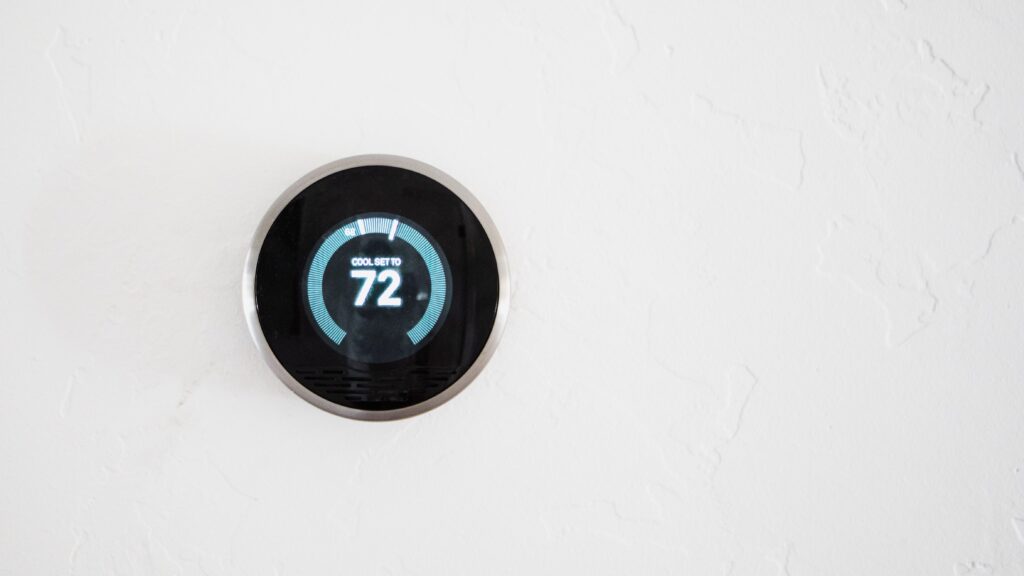
The thermostat is the brain of your cooling system, and it needs a proper test run before the first hot day. Switch the mode from heat to cool and drop the set temperature five degrees below the current room reading. You should hear the outdoor unit start within about 60 seconds, followed by cool air from the supply vents within a few minutes. If nothing happens, check the batteries first, since weak batteries cause most spring thermostat failures. Also confirm the furnace or air handler switch on the side of the unit is in the on position.
Smart thermostats need a seasonal review of their schedules and sensor settings. Cooling setpoints differ from heating setpoints, and the schedule you used in October will not fit an April afternoon. Set a comfortable daytime target between 74 and 78 degrees and a slightly warmer setback for times when the house is empty. Review any room sensors to make sure they are not sitting in direct sunlight, which throws off the reading. A thermostat in direct sun can call for cooling even when the rest of the house is already comfortable.
Older mechanical or low-voltage thermostats sometimes fail after sitting in heat mode for months. Loose wires, dirty contacts, and a tilted mercury bulb all cause short cycling or a system that refuses to start. If your thermostat looks yellowed, has a cracked case, or feels unresponsive, replacement is often cheaper than repeated service calls. A modern programmable or smart thermostat also trims 8 to 10 percent off summer cooling bills through better scheduling. Need help picking or installing a new one? Click here for our thermostat installation service.
Common Spring AC Problems That Surface on the First Hot Day
Most air conditioner failures show up during the first real cooling call of the season rather than mid-summer. The system sat untouched for six months, and any weak component reveals itself under load. Catching these issues in April or early May is far easier than scrambling for service in July. Homeowners who know the warning signs can act before a small problem turns into a full replacement. The three most common spring AC issues involve refrigerant, electrical components, and airflow restrictions.
Refrigerant Issues That Surface on the First Hot Day
Refrigerant does not get used up like fuel; a low charge almost always points to a leak somewhere in the system. Winter temperature swings stress the copper line set, flare fittings, and the coil itself, which is why spring is when leaks show up. Warm air blowing from the supply vents while the outdoor unit runs is the classic sign of a low charge. You may also notice ice forming on the large copper line near the outdoor unit within 15 minutes of startup. A hissing sound near the indoor coil or outdoor cabinet is another strong indicator.
Running the system on low refrigerant causes serious damage to the compressor, which is the most expensive part of the unit. The compressor relies on refrigerant to carry oil through the system, and a low charge starves the bearings of lubrication. Within a few hours of operation, internal temperatures climb high enough to burn the motor windings. A burned compressor often costs more to replace than the entire unit is worth. This is why addressing a suspected leak before the first hot day is so important.
Refrigerant work is regulated by the EPA and requires licensed technicians with proper recovery equipment. Topping off a system without finding the leak wastes money and releases refrigerant into the atmosphere. A proper leak search uses electronic detectors, nitrogen pressure tests, or UV dye to find the exact source. Once repaired, the system gets evacuated to a deep vacuum and recharged to the manufacturer’s specification by weight. Skipping any of these steps leads to repeat failures within the same season.
Electrical Component Issues That Surface on the First Hot Day
Capacitors are the number one electrical failure on spring startup, and they rarely give warning before they fail. A capacitor stores the jolt of power needed to start the compressor and fan motor against the resistance of a warm system. Utah’s winter cold and summer heat both shorten capacitor life, and most last only five to eight years. When a capacitor fails, you hear a humming sound from the outdoor unit but the fan does not spin. Trying to run the system in this state for more than a minute or two damages the compressor motor.
Contactors are the second most common electrical failure, since they physically open and close every cooling cycle. Ants, wasps, and dust often find their way into the contactor during the winter and prevent it from closing cleanly. A pitted or stuck contactor causes the system to run nonstop, refuse to start, or buzz loudly when the thermostat calls for cooling. Replacement is quick and inexpensive when caught early. Ignoring a failing contactor almost always leads to a burned compressor down the line.
Wiring, breakers, and the disconnect box also deserve a visual check each spring. Rodents sometimes chew through low-voltage thermostat wire during the winter, and corrosion builds up on outdoor connections. A tripped breaker on startup points to a short circuit, a locked-rotor compressor, or a failing fan motor drawing too many amps. Never reset a breaker more than once; repeated trips signal a real problem that needs diagnosis. Call a licensed technician at (801) 400-2422 if you see scorch marks, melted insulation, or smell anything burning near the equipment.
Airflow Issues That Surface on the First Hot Day
Weak airflow is one of the most common spring complaints, and it usually traces back to the ductwork rather than the AC itself. Duct joints separate over time, insulation sags, and small animals sometimes nest in unused sections during the winter. The result is cool air dumping into the attic or crawl space instead of the rooms where you want it. You feel this as uneven cooling, long run times, and high humidity inside the home. A visual duct inspection catches most of these issues before peak season.
A dirty evaporator coil also chokes airflow and sharply reduces cooling capacity. Dust that slips past the filter over months of heating operation cakes onto the cold aluminum fins. The coil then acts like a clogged strainer, forcing the blower to push air through a thick mat of debris. Symptoms include warm supply air, longer run times, and ice forming on the coil or the refrigerant line. Professional coil cleaning restores full airflow and often drops monthly cooling costs by 15 percent or more.
The blower wheel inside the air handler collects the same debris as the coil and needs periodic cleaning. A blower caked with dust loses its aerodynamic shape and moves far less air than it was designed to handle. You may notice the system running constantly without ever reaching the setpoint on warm afternoons. Blower motor bearings also dry out over time and begin to squeal, grind, or seize entirely. Annual maintenance catches these wear items before they shut the whole system down.

Why You Need Professional Spring AC Service Before the First Hot Day
A careful homeowner handles the cleaning and filter work, but a full spring tune-up requires training, tools, and test equipment most people do not own. Licensed HVAC technicians measure refrigerant pressures, check electrical draw, test capacitor values in microfarads, and inspect components the average homeowner cannot safely access. This level of service catches small problems before they become emergency repairs on a 100 degree day. Vortex Air HVAC offers complete spring maintenance visits across Utah County and the surrounding areas. Scheduling early in the season means shorter wait times, better pricing, and a system you can trust when the heat arrives.
The Value of Professional Spring AC Service Before the First Hot Day
Professional maintenance extends the useful life of your air conditioner by three to five years on average. Manufacturer warranties also require documented annual service, and skipping visits can void coverage on a compressor or coil claim. A technician catches worn parts, tightens electrical connections, and verifies refrigerant charge against the data plate specification. These small corrections add up to thousands of dollars in avoided repairs over the life of the system. The visit usually pays for itself in the first summer through lower energy bills alone.
A proper tune-up also improves indoor air quality during the cooling season. Clean coils, clean blower components, and a fresh filter all reduce the dust, pollen, and mold spores circulating through your home. Families with allergies or asthma often notice the difference within the first week after service. A technician can also recommend upgrades like media filters, UV lamps, or whole-home air purifiers based on what they find. These additions work best when paired with a clean, well-tuned system.
Safety is the final reason to bring in a professional each spring. Refrigerant under pressure, 240-volt electrical connections, and spinning fan blades all pose real risks to an untrained homeowner. A licensed technician carries the insurance, tools, and training to handle these hazards safely. They also document the condition of your equipment, which helps with insurance claims, home sales, and future service decisions. Peace of mind before the first hot day is worth far more than the cost of the visit.
Signs You Need Professional AC Service Before the First Hot Day
Unusual sounds during startup are the clearest signal that your system needs professional attention. Grinding, screeching, buzzing, or rattling all point to specific mechanical or electrical problems that get worse with every cycle. A trained ear identifies the source within minutes and prevents a small issue from destroying a major component. Ignoring these sounds almost always leads to a more expensive repair within a few weeks. Early diagnosis saves money and keeps your home comfortable.
Weak cooling, long run times, and uneven temperatures between rooms all indicate a system that is not performing at design capacity. The cause could be low refrigerant, a dirty coil, a failing blower, duct leaks, or any combination of these. Guessing at the problem wastes time and often leads to parts replacement that does not fix the real issue. A professional diagnostic uses pressure readings, temperature splits, and airflow measurements to pinpoint the cause. The repair then addresses the root problem the first time.
High humidity inside the home during spring cooling points to either an oversized system, a dirty coil, or a short cycling problem. Proper cooling removes about 30 percent of the moisture from indoor air, and a failing system leaves the house feeling clammy. Condensate drain problems, thermostat issues, and refrigerant charge errors all contribute to poor dehumidification. A technician measures indoor humidity and airflow to find the exact cause. Need fast service before the first heat wave? Click here for our air conditioning repair service.
Why Choose Vortex Air HVAC for Spring AC Service
Vortex Air HVAC is a locally owned and operated company based in Orem, Utah, serving homes and businesses across Utah County. Our technicians are licensed, insured, and trained on every major brand of residential and commercial equipment. We focus on honest diagnosis, clear pricing, and repairs that last rather than quick fixes that fail by July. Every spring tune-up includes a full system inspection, refrigerant check, electrical test, and written report. You know exactly what shape your system is in before the hot weather arrives.
Our team understands Utah’s unique climate, from the dry valley heat to the mountain cold snaps that linger into late spring. We stock parts for common brands on every truck, which means most repairs finish in a single visit. Emergency service is available 24 hours a day, 7 days a week, for the times when a breakdown cannot wait. We also offer energy-efficient upgrade options for homeowners ready to replace an aging system. Every recommendation is based on what your home actually needs, not what pads a ticket.
Call Vortex Air HVAC at (801) 400-2422 to schedule your spring AC service before the first hot day arrives. Our office at 776 W 165 S in Orem is open for questions, estimates, and equipment consultations. You can also email info@vortexairhvac.com for non-urgent inquiries or quote requests. We serve Orem, Provo, Lehi, American Fork, Pleasant Grove, Saratoga Springs, Eagle Mountain, and the surrounding communities. Prompt, professional HVAC service is what we deliver every time you call.