
Tips to Help Your Home Stay Warm Without Overusing Heat
As winter settles into the Utah Valley, the biting winds coming off the Wasatch Range remind Orem homeowners just how demanding the local climate can be. During these months, the primary concern for most households is maintaining a cozy indoor environment without seeing a massive spike in monthly utility bills. While the furnace is the obvious hero of the home during a cold snap, relying solely on mechanical heat can lead to excessive wear on your equipment and high energy consumption. Many homeowners find themselves in a constant battle with the thermostat, cranking up the heat only to find that the warmth seems to disappear almost as quickly as it is generated.
Staying warm in an efficient way requires a holistic approach to how your home manages heat. It is about understanding the physics of thermal retention and finding ways to stop the precious warmth you have already paid for from escaping through the cracks. In a place like Orem, where the sun can be surprisingly strong even on a sub-zero day, there are numerous natural and passive strategies that can assist your HVAC system. By implementing a few smart habits and making small adjustments to your living space, you can create a home that feels significantly warmer while allowing your furnace to run less frequently.
The secret to a comfortable winter is not necessarily more heat, but better heat management. When you take the pressure off your HVAC system, you aren’t just saving money on your gas or electric bill; you are also extending the lifespan of your blower motor, burners, and heat exchanger. This proactive strategy ensures that your home remains a sanctuary against the Utah frost, providing peace of mind and financial relief. By focusing on how heat is retained, distributed, and generated naturally, you can enjoy a toasty interior throughout the longest stretches of the winter season.
Harnessing Solar Gain and Natural Light
One of the most effective tools for heating an Orem home is sitting right outside your window. Even during the coldest months, Utah experiences a high number of sunny days. This solar energy is a free resource that can provide a significant amount of radiant heat if managed correctly. During the daylight hours, you should open all curtains and blinds on south-facing windows. The sunlight passing through the glass warms the objects inside your home, such as flooring and furniture, which then act as thermal batteries that slowly release heat back into the room.
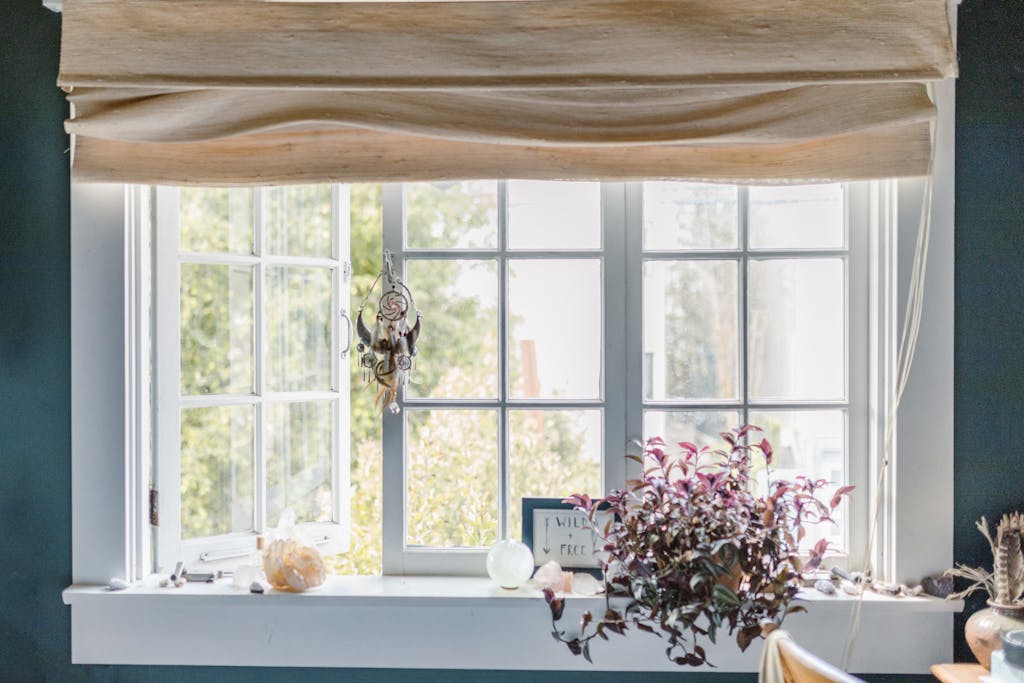
However, the strategy must shift as soon as the sun goes down. Once the solar gain ends, windows become one of the primary points of heat loss in any structure. Glass is a poor insulator, and even high-quality double-pane windows can feel cold to the touch. Closing your drapes, blinds, or shutters immediately after sunset creates an essential layer of insulation. Heavy, insulated curtains are particularly effective because they trap a layer of air between the fabric and the window, preventing the cold glass from sucking the warmth out of your living space.
For those with older windows, adding a layer of thermal film can provide a boost in heat retention without obstructing your view of the mountains. This simple addition helps reflect interior heat back into the room rather than letting it escape. By simply being mindful of your window treatments and the position of the sun, you can reduce the amount of work your furnace has to do by several hours each day. It is a natural cycle of heat management that costs nothing but a few minutes of your time to execute.
Strategic Airflow and Ceiling Fan Management
Most people associate ceiling fans exclusively with summer cooling, but they are actually a vital tool for winter warmth. Because heat naturally rises, the warmest air in your Orem home is often trapped uselessly against the ceiling, while the area where you actually sit and sleep remains several degrees cooler. This thermal stratification forces your furnace to run longer to heat the lower half of the room. By simply switching the direction of your ceiling fan to run clockwise on a low speed, you can solve this problem.
Need furnace maintenance? Click here for our furnace maintenance service.
The clockwise rotation creates a gentle updraft that pulls cool air up and pushes the trapped warm air out toward the walls and down into the living space. This redistribution of existing heat can make a room feel noticeably warmer without you ever touching the thermostat. It is important to keep the fan on the lowest possible setting; you want to move the air, not create a wind chill effect. This small mechanical adjustment ensures that you are getting the full benefit of every BTU your furnace produces.
Beyond fans, the way you manage the doors inside your home can impact your comfort. If you have rooms that are rarely used, such as a guest bedroom or a large storage area, keeping those doors closed prevents your HVAC system from wasting energy to heat an empty space. Conversely, if you have a room with a fireplace or another heat source, keeping the doors open allows that warmth to circulate into the rest of the house. Understanding the pathways of air in your home allows you to direct heat where it is needed most, maximizing efficiency.
Sealing the Envelope Against Drafts
Even a high-efficiency furnace cannot overcome a home that is constantly leaking air. In Orem, where canyon winds can be quite strong, small gaps around doors and windows act like a vacuum, pulling in frigid air and pushing your expensive heated air outside. The most common culprit is the gap at the bottom of exterior doors. Installing a simple door sweep or using a decorative draft stopper can stop this infiltration immediately. These low-cost solutions are incredibly effective at keeping the floor-level air from becoming uncomfortably cold.

You should also inspect the areas where utility pipes and wires enter your home. Often, the holes drilled for plumbing or cable lines are larger than necessary and are not properly sealed. Using spray foam or caulk to fill these gaps in your basement or utility closet can prevent a significant amount of cold air from entering your living areas. Similarly, check the weatherstripping around your windows. If you can see light through the frame or feel a breeze when you pass your hand near the glass, it is time for a replacement.
Another hidden source of drafts is the electrical outlets on exterior walls. Because these outlets are cut into the insulation, they often allow cold air to seep in from the wall cavity. You can purchase inexpensive foam gaskets that fit behind the outlet cover plate to create a seal. While these individual leaks might seem small, the cumulative effect of sealing your home’s envelope is often equivalent to leaving a window cracked open all winter. By closing these pathways, you ensure that the heat stays inside where it belongs.
Maximizing Residual Heat from Daily Activities
Your daily routine produces a surprising amount of residual heat that often goes to waste. In the kitchen, your oven and stove are powerful heat sources. After you finish baking or roasting a meal, leave the oven door cracked open as it cools down to allow that heat to radiate into the kitchen and surrounding rooms. While you should never use an oven as a primary heat source due to safety and carbon monoxide concerns, utilizing the leftover heat from cooking is a smart way to get extra value out of the energy you have already used.
Want to know why your furnace is blowing cold air? Click here for more information.
The bathroom is another area where you can capture lost energy. When you take a hot shower, the steam carries a significant amount of thermal energy. Instead of immediately turning on the exhaust fan, leave the bathroom door open to allow the warm, humid air to circulate into the rest of the house. In the dry Utah winter, this extra humidity is a welcome addition that makes the air feel warmer and more comfortable on your skin. The moisture helps the air hold onto heat better than the bone-dry air typically found in Orem homes during January.
Even the simple act of doing laundry can contribute to your home’s warmth. If your dryer is in a central part of the home, the heat generated by the machine can help take the edge off a cold morning. While you should never vent a dryer indoors due to moisture and lint concerns, the ambient heat coming off the appliance is a free byproduct of your chores. By timing these activities for the coldest parts of the day, you can supplement your furnace’s output and keep your home feeling cozy through natural means.
Dressing and Decorating for Thermal Retention
Sometimes the best way to stay warm without overusing the heat is to change how we interact with our environment. In Orem, we often forget that our ancestors stayed warm for centuries without central heating simply by dressing for the season. Wearing layers of natural fibers like wool or fleece is the most efficient way to trap body heat. Instead of turning the thermostat to seventy-two degrees, try wearing a comfortable sweater and keeping the house at sixty-eight. This four-degree difference can save you over ten percent on your annual heating costs.
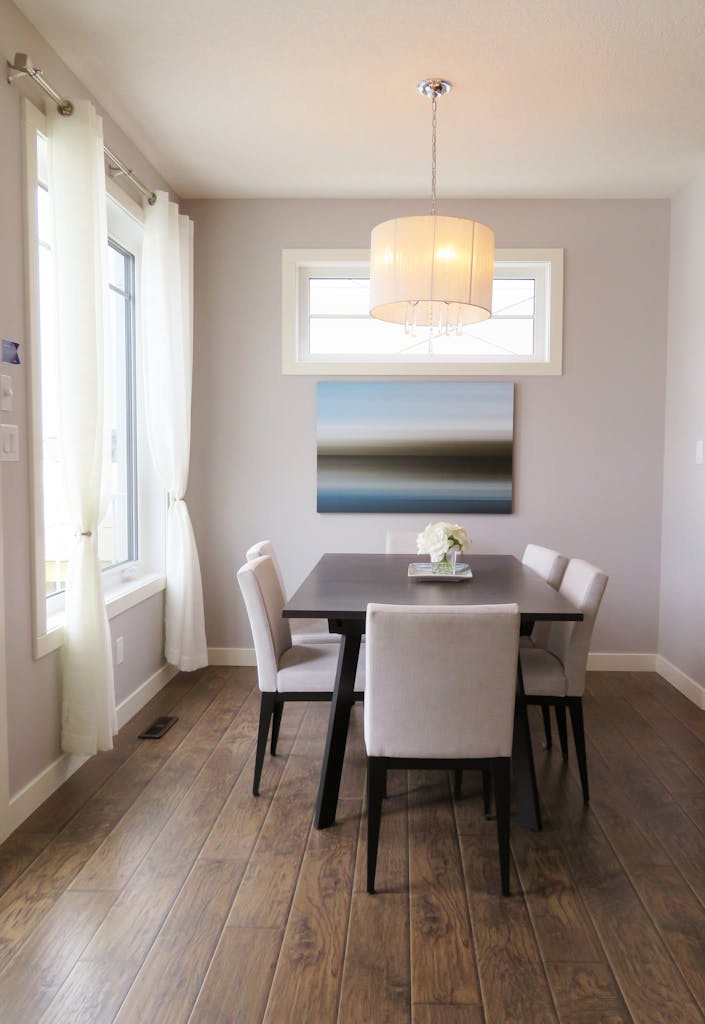
Your choice of flooring and decor also plays a role in how warm a room feels. If you have hardwood or tile floors, they can feel icy to the touch and pull heat away from your feet. Adding thick area rugs to high-traffic zones creates an insulating barrier between you and the cold subfloor. Rugs also help dampen sound and add to the visual warmth of a room, which can have a psychological effect on how comfortable you feel. On your furniture, keep throw blankets made of heavy materials like flannel or sherpa readily available.
At night, the type of bedding you use is critical. Swapping out light cotton sheets for flannel or jersey knit can make a world of difference. Adding a high-quality down or down-alternative comforter allows you to drop the thermostat significantly at night without sacrificing comfort. Since you spend roughly a third of your life in bed, focusing on thermal retention in the bedroom is one of the most effective ways to reduce your overall energy consumption. When you are dressed and equipped for the weather, you are much less likely to reach for the thermostat.
Staying warm in Orem during the winter doesn’t have to mean accepting high energy bills and an overworked furnace. By taking a proactive approach to heat management—harnessing the power of the sun, redistributing air with ceiling fans, and sealing up those pesky drafts—you can maintain a comfortable home while keeping your utility costs under control. Utilizing residual heat from your daily activities and dressing appropriately for the season are simple but powerful habits that make a significant impact over the course of a long Utah winter.
At Vortex Air, we are committed to helping our neighbors find the most efficient ways to stay comfortable. While these tips will go a long way in helping your home retain heat, ensuring your furnace is in peak mechanical condition is still the foundation of a safe and warm household. If you find that your home is still cold despite these efforts, it may be time for a professional inspection or a high-efficiency system upgrade. Taking care of your home’s climate today ensures you can relax and enjoy the beauty of our mountain winters without worry.