
Why Your Air Conditioner Smells Musty When You Turn It On
That first blast of cold air from your AC should feel refreshing, not send a wave of mildew through your home. A musty smell coming from your air conditioner is one of the most common complaints homeowners report in spring and early summer. The odor usually points to trapped moisture, biological growth, or a drainage problem somewhere inside the system. Ignoring that smell can lead to worse indoor air quality, higher energy bills, and eventual damage to the equipment. Understanding the source of the odor helps you decide what you can handle yourself and when to call a licensed technician. This guide walks through the main causes, the parts of your system most likely to be affected, and the professional steps that clear the problem for good.
What Causes an Air Conditioner to Smell Musty When You Turn It On
A musty air conditioner smell almost always comes from moisture meeting organic debris inside the system. Your AC naturally pulls humidity out of the air as it cools, and that water has to drain away cleanly. When drainage slows down or dust builds up on damp surfaces, mold and mildew take hold quickly. The first time you run the unit after a long break, that trapped odor pushes through the ductwork and into every room. Warm spring air and rising humidity in Utah make the problem worse, especially in homes that sat closed up over winter. A proper inspection finds the exact source so the fix actually lasts.
A Musty Air Conditioner Smell From the Evaporator Coil
The evaporator coil sits inside your air handler and does the actual job of cooling the air that passes through it. Cold metal fins pull moisture out of the warm household air, and that moisture beads up and runs off into the drain pan below. Over time, dust, pet dander, and skin cells settle onto the wet coil and create the perfect food source for mold spores. Once growth takes hold on the coil, every cycle of the blower sends that musty smell straight into your living space. The coil also loses efficiency when it gets coated, so your system runs longer and uses more power. A professional cleaning with an approved coil cleaner removes the biological film without damaging the aluminum fins. Regular maintenance visits catch coil buildup long before it turns into a noticeable odor.
Some homeowners try to spray household cleaners on the coil, but that approach often makes things worse. Harsh chemicals corrode the fins, damage the refrigerant lines, and can leave residues that feed new growth within weeks. The coil also sits in a tight cabinet with sharp metal edges, wiring, and sensors that all need to stay protected during cleaning. Technicians use no-rinse coil cleaners designed for HVAC equipment and follow the manufacturer specifications for the unit. The surrounding drain pan gets flushed at the same time so nothing washes back onto the clean coil. This full treatment is part of every standard tune-up we perform in the spring.
Need seasonal AC service to catch coil problems early? Click here for our air conditioning maintenance service. A clean evaporator coil pays for itself through lower electric bills, stronger cooling, and fresher indoor air. Most coils need a deep cleaning every one to two years depending on how much the system runs and how dusty the home gets. Homes with pets, smokers, or remodeling dust build up faster and may need more frequent attention. The technician also checks refrigerant levels while the panel is open, since a low charge causes the coil to ice over and trap even more debris. Catching these issues early keeps the musty smell from ever reaching your vents.

A Musty Air Conditioner Smell From a Clogged Condensate Drain Line
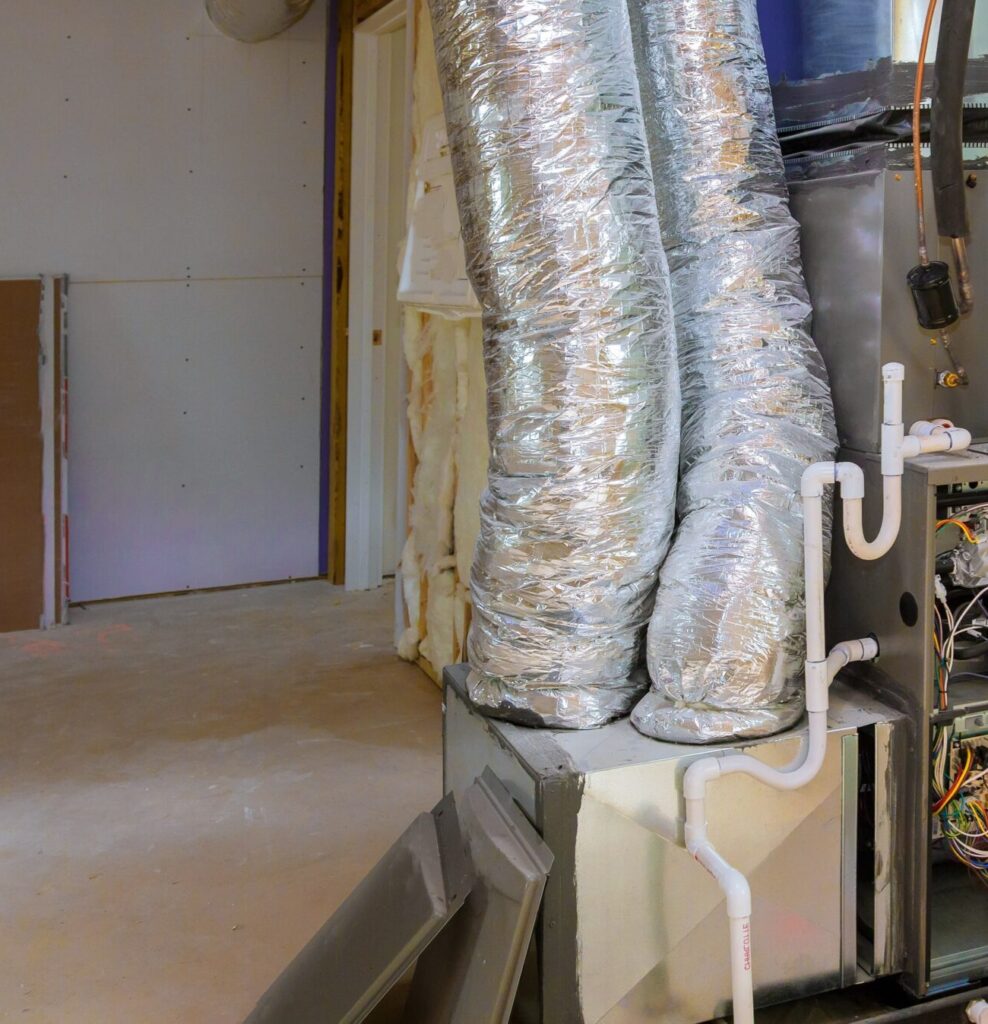
The condensate drain line carries water from the drain pan out of your home, usually through a PVC pipe that exits near the foundation or a basement floor drain. That pipe stays damp all cooling season, which makes it a favorite spot for algae, slime, and mold. A partial clog traps standing water in the pan and line, and that stagnant water is where the strongest musty odors come from. A full clog triggers the safety float switch and shuts the system off to prevent water damage. Either way, the smell spreads through the air handler and into your ductwork every time the blower runs. A clear drain line is one of the simplest and most important parts of a healthy AC system.
Clearing a drain line properly takes more than pouring vinegar down the access port. A technician uses a wet vacuum at the outdoor termination to pull the blockage out in one piece, then flushes the line with an approved treatment. The drain pan gets cleaned and checked for cracks, rust, or improper slope that could cause future backups. The float switch is tested to confirm it will shut the system off if water ever rises again. Any P-trap in the line gets inspected because a dry trap lets sewer gases and outside air pull back into the unit.
Homeowners can help between service visits by keeping the area around the outdoor drain exit clear and watching for any water staining near the indoor unit. A small amount of algae tablets designed for HVAC drain pans can slow future growth, but they do not replace a real cleaning. If you hear a gurgling sound or notice water pooling near the furnace or air handler, the drain line needs attention right away. Systems installed in attics or upper floors carry extra risk because a backed-up drain can leak through ceilings and cause expensive damage. Staying ahead of drain line clogs protects both your air quality and your home.
A Musty Air Conditioner Smell From Dirty Air Ducts
Your ductwork carries every cubic foot of conditioned air through your home, and anything sitting inside those ducts gets blown into your living space. Dust, pet hair, construction debris, and even small amounts of moisture collect along the duct walls over the years. When humidity rises in spring and the AC kicks on for the first time, that mix of dust and moisture produces a strong musty smell. Flex duct with damaged inner liners holds debris especially well and can develop mold growth that is nearly impossible to remove without replacement. Rigid metal ducts clean up better, but they still need professional equipment to reach every branch line and register. A thorough duct cleaning removes the source of the odor rather than just masking it.
Duct cleaning uses high-powered vacuum equipment connected to the main trunk line along with rotating brushes or compressed air tools that dislodge debris. The negative pressure pulls everything toward the vacuum so contaminants do not scatter into the home. Every supply and return register gets cleaned individually, and the blower compartment is wiped down as part of the process. A good technician also inspects for disconnected joints, crushed sections, and poor insulation that could be contributing to moisture problems. Sealing and repairing the ducts after cleaning keeps dust and humidity from sneaking back in.
Want to clear out years of dust and odor from your vents? Click here for our air duct cleaning service. Clean ducts also lower the load on your blower motor and help air reach every room at the right temperature. Homes that have recently been remodeled, homes with older ductwork, and homes with pets tend to benefit the most from a full cleaning. Pairing duct cleaning with a coil and drain service in the same visit gives the best results because every part of the air path gets addressed at once. That combined approach is the most reliable way to eliminate a musty smell for good.

How to Get Rid of a Musty Smell From Your Air Conditioner for Good
Getting rid of a musty AC smell takes more than an air freshener or a scented filter. The smell is a signal that something inside your system is wet, dirty, or growing something it should not be. The only lasting fix is to find the exact source, clean it properly, and put steps in place so it does not come back. That usually means a combination of filter changes, a professional tune-up, and attention to indoor humidity. Homes in Utah County deal with dry winters followed by humid spring storms, which creates the ideal conditions for mold when cooling season starts. A planned approach each spring keeps your system fresh through the hottest months.
Getting Rid of a Musty AC Smell With Proper Filter Changes
The air filter is the first line of defense for every part of your cooling system, and a neglected filter is often the root of a musty smell. A clogged filter lets dust slip past and settle on the coil, the blower, and the inside of the ducts. It also restricts airflow, which causes the coil to run colder and hold more moisture than it should. That extra moisture drips, pools, and feeds the same mold growth you are trying to avoid. Changing the filter on schedule is the single easiest habit that protects indoor air quality.
Standard one-inch pleated filters should be changed every one to three months depending on the household. Homes with shedding pets, allergy sufferers, or nearby construction need the shorter interval. High-efficiency media filters that sit in a four-inch or five-inch cabinet last longer, usually six months to a year, but they still need tracking. Always match the filter to the MERV rating the system was designed for; a filter that is too dense can starve the blower and cause the coil to freeze. If you are not sure which filter fits your equipment, a quick look during a maintenance visit gives you the right answer.
A fresh filter alone will not clean a coil or a drain line that is already dirty, but it stops the problem from getting worse. Keep a small stack of the correct size on hand so changes never get delayed. Mark the install date on the edge of the filter with a marker to track how long it has been in place. Pair filter changes with a visual check of the return grilles and the area around the air handler for any signs of dust or moisture. These small habits extend the life of every other part of the system.
Getting Rid of a Musty AC Smell With a Professional Tune-Up
A professional tune-up addresses every source of a musty air conditioner smell in a single visit. The technician checks the evaporator coil, the drain pan, the drain line, the blower wheel, and the filter housing for buildup. Refrigerant pressures get measured to confirm the coil is operating at the right temperature, which prevents the excess condensation that feeds mold. Electrical components are tested so the system runs at the correct speed and does not short-cycle, since short cycling leaves the coil wet without drying between runs. Airflow across the coil is verified to match the manufacturer specification for that cabinet. Each step targets a different piece of the moisture and odor puzzle.
Spring is the ideal time for this service because the system has been idle through the heating season and any small problem from last summer has had months to grow. Catching a slow drain or a dust-coated coil in April is far cheaper than emergency service in July. A tune-up also extends the life of the equipment, protects the manufacturer warranty, and keeps energy use in check. Many homeowners notice an immediate improvement in how cold the air feels and how quickly rooms reach the thermostat setting. That stronger performance is the sign of a truly clean system.
Need a full spring AC tune-up to clear out the musty smell? Click here for our air conditioning maintenance service. Our technicians follow a written checklist so nothing gets skipped, and every finding is explained before any extra work is approved. If a deeper cleaning, a part replacement, or a duct service is needed, you get a clear estimate up front. Regular yearly service is the most reliable way to keep indoor air clean and cooling costs low. It is also the best defense against repeat odor problems year after year.
Getting Rid of a Musty AC Smell by Controlling Indoor Humidity
Indoor humidity is the fuel behind almost every musty smell in a cooling system. When relative humidity inside the home stays above fifty-five percent for long stretches, mold spores begin to grow on any surface that holds dust. Your AC does remove some humidity during normal operation, but an oversized system cools the air too quickly and shuts off before it can dehumidify. An undersized or poorly maintained system runs constantly and may not keep up at all. Keeping indoor humidity between forty and fifty percent is the sweet spot for comfort and air quality.
A whole-home dehumidifier that ties into the ductwork is the most effective tool for controlling humidity in Utah homes with basements or tight construction. It runs independently of the AC so moisture gets pulled out even on mild spring and fall days when the cooling system rarely cycles. Bath fans that vent to the outside, a working range hood in the kitchen, and a properly sealed dryer vent also reduce the moisture load inside the home. Checking for plumbing leaks under sinks and around the water heater eliminates hidden sources that feed ongoing mold growth. Each of these steps supports the work your AC is already doing.
Pairing humidity control with clean coils, clean drains, and clean ducts gives you the best shot at odor-free cooling all season. A professional assessment can measure humidity levels at different spots in the home and identify the biggest sources. Simple changes often produce noticeable results within a few days. Homes that stay in the right humidity range also feel cooler at higher thermostat settings, which lowers the electric bill. That combination of comfort, efficiency, and clean air is what a healthy HVAC system should deliver.
Why You Need a Trusted HVAC Company to Fix a Musty Air Conditioner
A musty smell from your AC is never just a minor nuisance. It points to conditions inside the system that affect the air your family breathes every day. A licensed HVAC company has the tools, the training, and the replacement parts to find the root cause and correct it safely. Guessing at the problem or trying unproven home remedies often turns a small repair into a larger one. The right partner protects your equipment, your air quality, and your budget at the same time.
Why You Need a Licensed Technician for Musty AC Problems
Musty smells can come from the coil, the drain system, the ductwork, or a combination of all three. A licensed technician knows how to test each area in the correct order and rule out the ones that are not contributing. That methodical approach avoids unnecessary work and gets the system back to normal faster. It also keeps warranties valid, since most manufacturers require licensed service for any internal work.
Refrigerant handling is another reason licensing matters. Any work that involves the sealed system requires EPA certification and specialized recovery equipment. Untrained work can damage the compressor, release refrigerant, and lead to thousands of dollars in repairs. A proper diagnosis often starts with pressure and temperature readings that only licensed technicians are trained to interpret.
Safety on electrical and combustion components is the final piece. The air handler sits next to high-voltage wiring, and many systems share a cabinet with the gas furnace. A licensed technician follows the correct lockout steps, tests for proper grounding, and leaves the equipment in a safe condition. That level of care is exactly what a musty AC problem deserves.

Why You Need Fast Service for a Musty Smelling Air Conditioner
A musty smell tends to get worse the longer the system runs without attention. Mold colonies double quickly in warm, damp conditions, and every day of delay means more spores moving through the ductwork. Fast service stops the growth before it spreads into carpet, upholstery, and drywall where it is much harder to remove. It also prevents the drain pan from overflowing and causing water damage to ceilings or floors.
Scheduling early in the season also protects your comfort during the first real heat wave. A system that smells musty in April often turns into a system that fails completely in July if the underlying issue is ignored. Emergency repairs during peak season cost more and take longer because parts and technicians are in high demand. Acting at the first sign of an odor keeps the repair simple and affordable.
Vortex Air HVAC offers same-day and next-day appointments for odor and air quality concerns throughout Utah County. Our trucks carry the coil cleaners, drain tools, and replacement parts needed to finish most jobs in a single visit. That speed means less disruption for your family and a quicker return to fresh, cool indoor air. Fast service is a core part of the value we deliver.
Why Choose Vortex Air HVAC for a Musty Air Conditioner
Vortex Air HVAC is a locally owned company serving Orem, Provo, Lehi, and the surrounding Utah County communities. Our licensed and certified technicians handle residential and commercial cooling systems of every size and brand. We show up on time, explain what we find, and give honest pricing before any work begins. That straightforward approach has made us a trusted name for homeowners who want the job done right the first time.
Every maintenance visit we perform follows a detailed written checklist covering the coil, drain, blower, filter, refrigerant, and airflow. We also offer complete duct cleaning, thermostat service, and indoor air quality upgrades when the situation calls for it. Our team carries the training and equipment to solve the full problem instead of treating one symptom at a time. Customers see the difference in the first cooling cycle after the visit.
Call Vortex Air HVAC at (801) 400-2422 to schedule service for a musty air conditioner or any other cooling concern. We offer twenty-four seven emergency response, energy-efficient equipment upgrades, and straightforward pricing on every job. Our goal is cleaner air, stronger cooling, and lower bills for every home and business we serve. Reach out today and breathe easier this season.