
The Most Common Reasons Coolers Fail in Restaurants
In the fast paced environment of an Orem restaurant, the commercial cooler is the silent workhorse that keeps the entire operation viable. It is the guardian of your inventory, the protector of food safety, and the foundation of your kitchen’s efficiency. When a walk in cooler or a reach in refrigerator fails, the consequences ripple through the business immediately. Within hours, thousands of dollars in perishable product can be compromised, and the stress on the staff reaches a breaking point as they scramble to save what they can. For a restaurant owner, a cooler failure is more than just a mechanical glitch; it is a full scale emergency that threatens both the bottom line and the reputation of the establishment.
The challenge with commercial refrigeration in Utah County is that these systems are under constant assault. Between the high desert heat of our summers and the intense, greasy environment of a commercial kitchen, refrigeration units are pushed to their absolute limits every single day. Most coolers do not fail without warning, but the signs are often subtle enough that a busy manager might overlook them until the temperature alarm sounds. Understanding the mechanical vulnerabilities of these systems is essential for anyone who depends on them for their livelihood. Prevention is the only way to avoid the chaos of a mid shift breakdown.
A restaurant cooler is a complex closed loop system that relies on a delicate balance of pressure, airflow, and electrical precision. When any one of these factors is disrupted, the entire cooling cycle begins to degrade. By identifying the most common reasons these units stop performing, restaurant operators in Orem can take proactive steps to protect their equipment. This knowledge allows for a transition from a reactive model of expensive emergency repairs to a proactive model of sustained reliability and food safety. Keeping the cold chain intact is a non negotiable part of professional food service.
Dirty Condenser Coils and Heat Rejection Issues
The most frequent cause of commercial cooler failure in Orem restaurants is also the most preventable: dirty condenser coils. The condenser coil is responsible for releasing the heat collected from inside the cooler into the surrounding environment. In a restaurant setting, these coils act like a giant vacuum for dust, flour, and airborne grease. Over time, a thick blanket of grime forms over the fins of the coil, creating a layer of insulation that prevents the heat from escaping. When the system cannot reject heat, the compressor must work significantly harder and run for much longer cycles to achieve the same cooling effect.

As the grime builds up, the internal pressures and temperatures of the refrigeration system spike. This puts immense thermal stress on the compressor, which is the most expensive component in the entire unit. Eventually, the compressor’s internal safety switches will trip to prevent it from burning out, causing the cooler to shut down entirely. If the coils are not cleaned, this cycle repeats until the compressor suffers a catastrophic electrical or mechanical failure. For Orem business owners, a simple quarterly cleaning of these coils can extend the life of a cooler by years and significantly reduce monthly electricity costs.
Airflow around the condenser is equally critical. In many kitchens, coolers are tucked into tight corners or used as shelving units for dry goods, which restricts the amount of fresh air reaching the coils. Without a steady supply of cool air, the heat rejection process fails even if the coils themselves are relatively clean. This is particularly problematic during a Utah summer when kitchen temperatures can climb well into the nineties. Ensuring that your refrigeration equipment has plenty of breathing room is a basic but vital part of preventing a sudden and expensive system failure.
Damaged Door Gaskets and Seal Integrity
The integrity of a cooler is only as good as its seal. Door gaskets are the rubber strips that line the perimeter of the cooler doors, creating an airtight barrier between the cold interior and the warm kitchen. In a busy restaurant, these doors are opened and closed hundreds of times a shift, often with a level of force that causes the rubber to compress, tear, or pull away from the frame. When a gasket is damaged, warm and humid air from the kitchen is constantly sucked into the cooler, while precious cold air leaks out.
Need your walk in cooler repaired? Click here for our walk in cooler repair service.
This constant infiltration of warm air forces the evaporator coils to work overtime to remove the moisture and heat. The moisture in the kitchen air quickly turns to frost on the cold evaporator fins, which can lead to a complete icing over of the system. Once the coils are encased in ice, they can no longer absorb heat, and the internal temperature of the cooler will begin a steady climb into the danger zone. Furthermore, leaky gaskets are a major source of energy waste, as the unit may run twenty four hours a day just to keep up with the constant air loss.
Maintaining gaskets is a task that should be delegated to the daily sidework of the kitchen staff. Gaskets should be wiped down with warm, soapy water to remove grease and food particles that can cause the rubber to rot or become sticky. A sticky gasket is more likely to tear when the door is pulled open. If you can see daylight through the seal or if a dollar bill can be easily pulled out from a closed door, the gasket needs to be replaced immediately. It is one of the least expensive repairs in commercial refrigeration, but ignoring it can lead to the most expensive failures.
Evaporator Coil Icing and Airflow Blockages
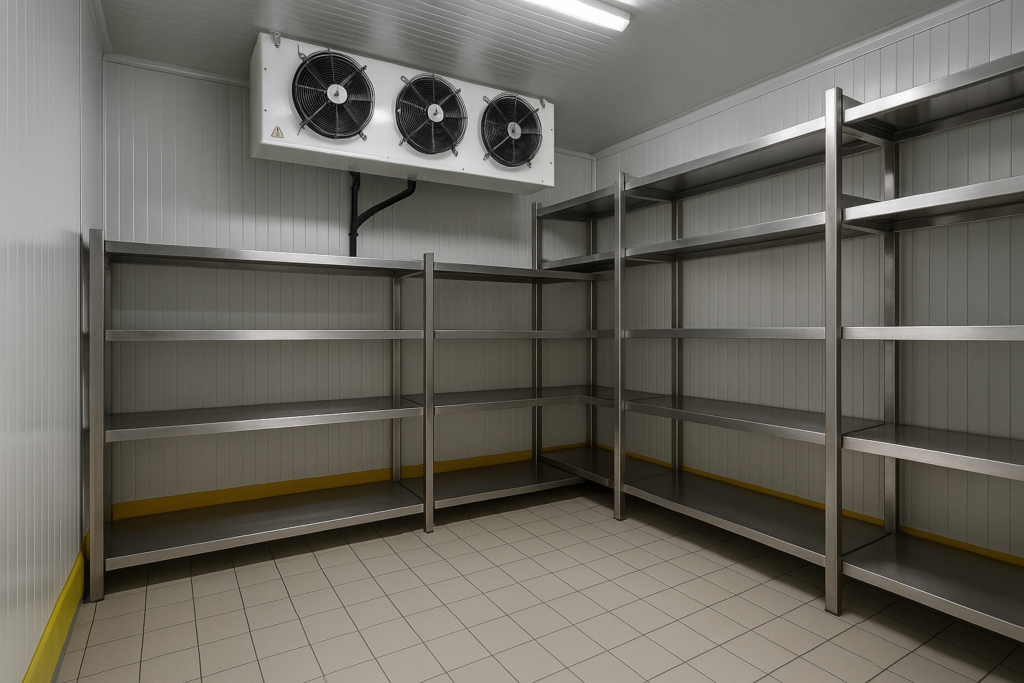
While the condenser coil sits outside the refrigerated space, the evaporator coil sits inside, and its health is just as important for maintaining food safety. The evaporator’s job is to absorb heat from the air inside the cooler. For this to happen, air must be able to move freely across the coil’s fins. In many Orem restaurants, coolers are overstuffed to the point where boxes of produce or large plastic containers are pushed directly against the evaporator fans. This completely chokes the airflow, preventing the unit from circulating cold air to the rest of the inventory.

When airflow is blocked, the evaporator coil becomes too cold because it isn’t absorbing enough heat from the room. This causes the moisture in the air to freeze instantly onto the coil. Much like the issues caused by leaky gaskets, this ice buildup creates a barrier that stops all cooling. A common sign of an airflow issue is a cooler that feels cold near the fans but warm at the other end. Restaurant managers should ensure that there is at least a six inch gap between any inventory and the evaporator housing to allow for proper circulation.
Defrost cycles are also a critical part of the evaporator’s operation. Most commercial coolers have a timed defrost period where the cooling stops to allow any minor frost to melt away. If the defrost timer is faulty or if the heaters responsible for melting the ice are burned out, the frost will accumulate until the entire unit is a solid block of ice. Once a system is iced over, it often requires a manual thaw and a professional diagnostic to find the underlying cause, leading to significant downtime and potential food loss.
Faulty Electrical Components and Sensors
Commercial refrigeration relies on a complex network of electrical components to coordinate the cooling process. This includes thermostats, pressure switches, relays, and start capacitors. In the demanding environment of a kitchen, these parts are exposed to vibrations, humidity, and heat, all of which can lead to electrical failure. A failing start capacitor, for example, may prevent the compressor from turning on even though the rest of the system is receiving power. This often results in a clicking sound as the unit tries and fails to start.
Want to know the signs your walk in cooler needs servicing? Click here for more information.
Temperature sensors and thermostats are the brains of the operation, but they can become uncalibrated over time. If a sensor is telling the control board that the cooler is thirty five degrees when it is actually forty five, the system will not turn on when it should. This is a particularly dangerous type of failure because the unit appears to be running normally while the food is slowly entering the danger zone. Regularly checking the internal temperature of your cooler with a secondary, independent thermometer is the only way to verify that your sensors are doing their job correctly.
Wiring issues are also common in older Orem establishments. Over years of use, wires can become brittle or corroded, leading to intermittent power losses that are difficult to diagnose. High voltage spikes or brownouts, which can occur during heavy storms or peak utility periods, can also fry sensitive electronic control boards. Investing in professional electrical inspections for your refrigeration units can catch loose connections and weak components before they cause a total system blackout in the middle of a busy weekend.
Clogged Drain Lines and Moisture Accumulation
Every commercial cooler produces moisture as a byproduct of the cooling process. This moisture is collected in a drain pan beneath the evaporator coil and is channeled out of the unit through a drain line. In the nutrient rich environment of a restaurant, these drain lines are prone to developing a biological buildup often referred to as slime or gunk. This buildup is a combination of mold, yeast, and bacteria that feeds on the organic particles in the air. When the line becomes clogged, the water has nowhere to go and begins to back up.
A backed up drain line leads to standing water in the bottom of the cooler, which is a major health code violation and a slip hazard. Even worse, if the water remains in the drain pan, it can freeze, which contributes to the icing over of the evaporator coil. In some cases, the water can overflow and leak into the electrical components located at the base of the unit, causing short circuits. Keeping the drain lines clear is a simple matter of regular maintenance that involves flushing the lines with a sanitizing solution to kill the biological growth.
For walk in coolers, the drain line often features a heater wire to prevent the water from freezing as it exits the refrigerated space. If this heater fails, an ice plug will form, leading to the same backup and overflow issues. Restaurant owners should keep an eye out for any signs of water pooling on the floor or ice forming around the drain area. Addressing a drainage issue early is a quick and inexpensive fix that prevents the much larger mechanical and sanitary problems that come with stagnant water inside a food storage area.
The reliability of your commercial coolers is a direct reflection of the care they receive. In Orem, the most common reasons for cooler failure—dirty coils, broken gaskets, airflow blockages, electrical glitches, and clogged drains—are almost entirely preventable through consistent maintenance and staff awareness. When you take the time to clean your equipment and monitor its performance, you are doing more than just saving money on repairs; you are protecting your inventory, your customers, and the future of your business. A proactive approach to refrigeration is the mark of a well run kitchen.
Understanding the mechanics of your cooling systems allows you to stay ahead of the curve and avoid the stress of an emergency. Every component, from the compressor to the drain line, plays a vital role in the success of your operation. By making refrigeration health a priority, you ensure that your kitchen remains a safe and productive environment regardless of how busy the season becomes. Don’t wait for a failure to appreciate the value of your coolers; give them the attention they deserve today and they will keep your business running smoothly for years to come.